New BAI ON SITE: visit to the construction site of BAI’s future headquarters as the closing activity of the Computational Design workshop
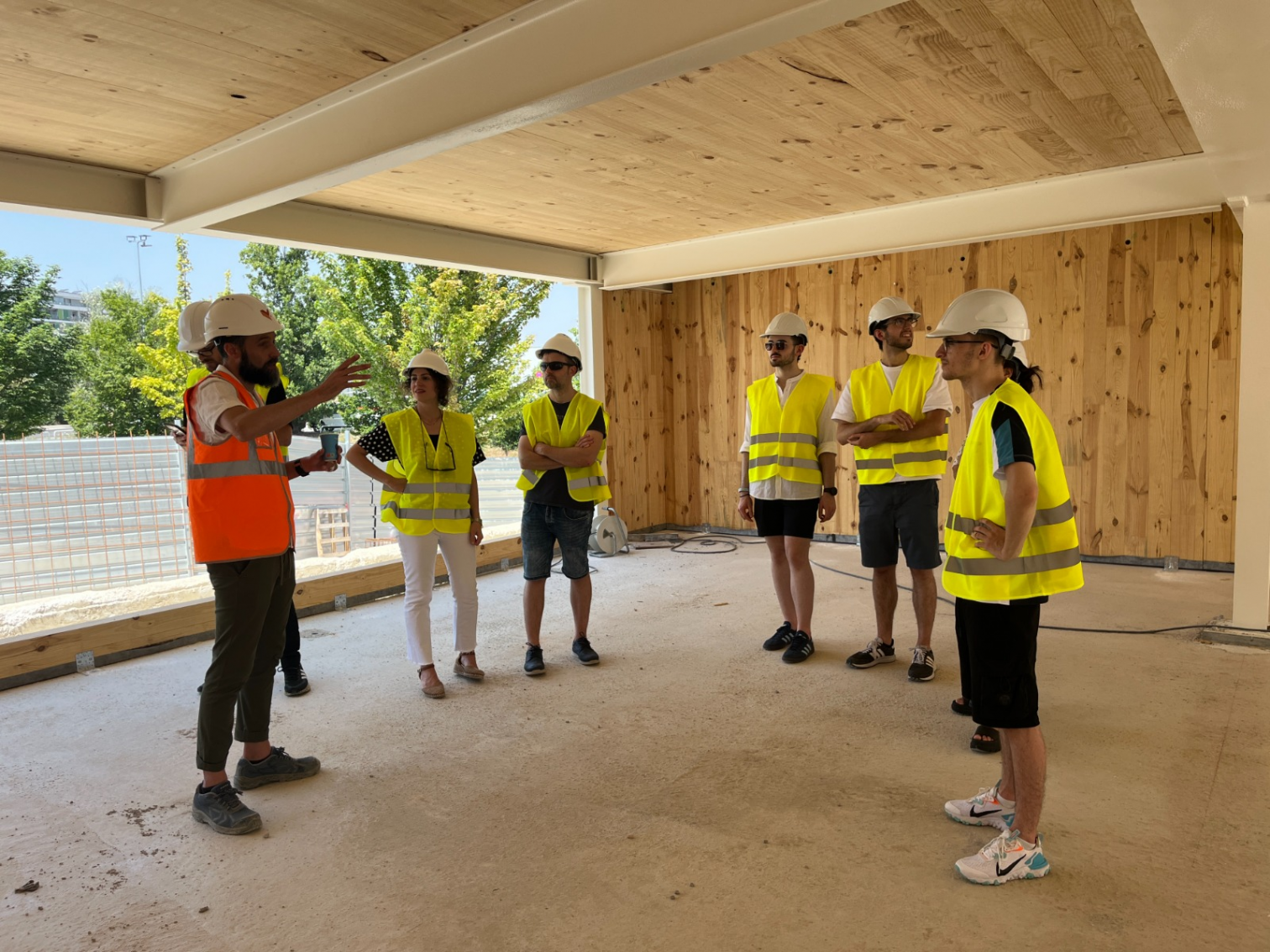
The workshop on Computational Design Applied to Robotic Timber Construction concluded with a site visit to BAI’s future headquarters in Pamplona, as part of a new BAI On Site activity.
The visit brought the week of work to a close by taking participants from the workshop setting to a real construction site directly linked to BAI’s mission. After several days devoted to computational design, digital fabrication and timber construction, participants were able to visit the building that will house the future national reference centre for industrialisation and robotisation applied to architecture and construction.
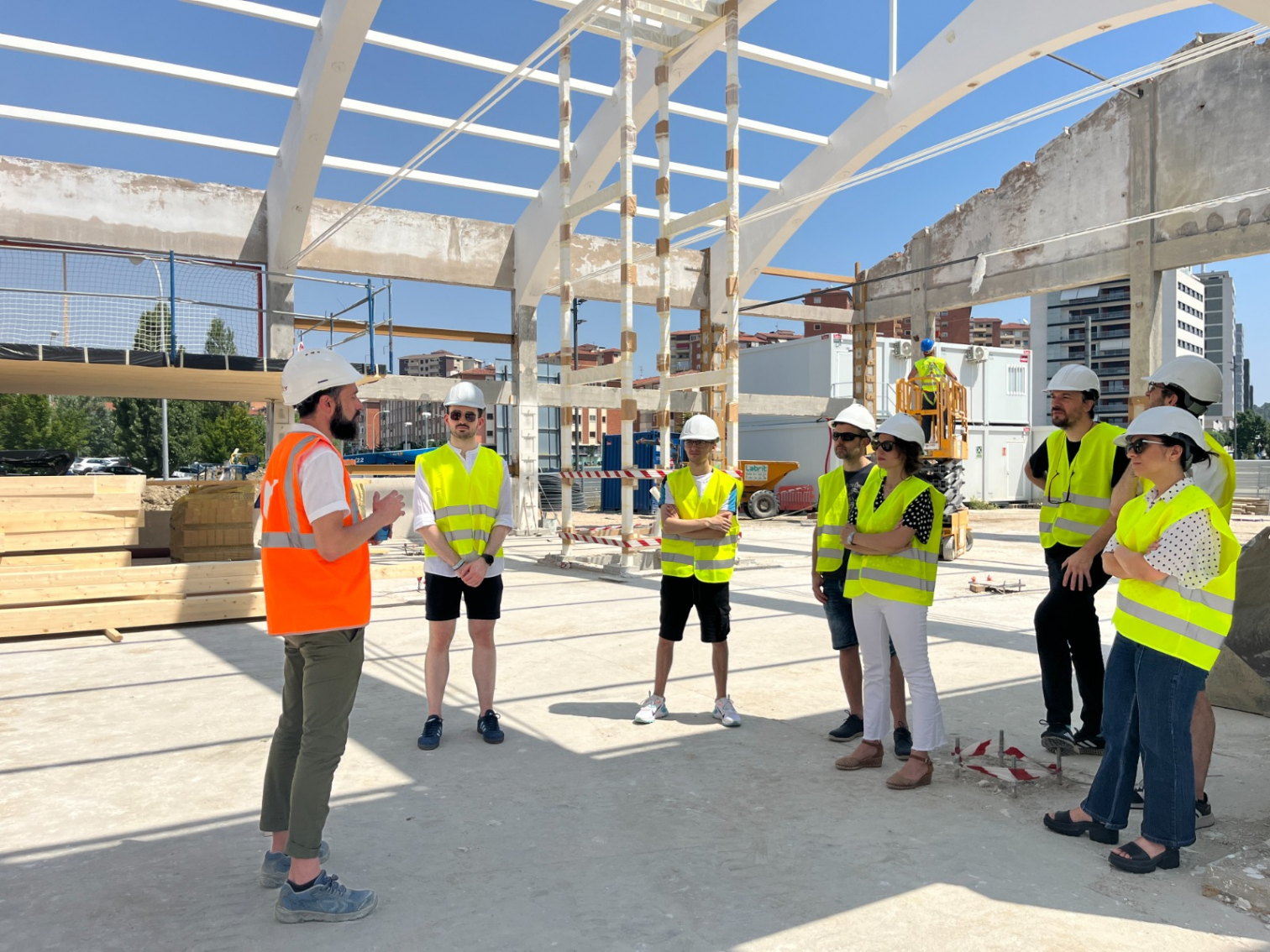
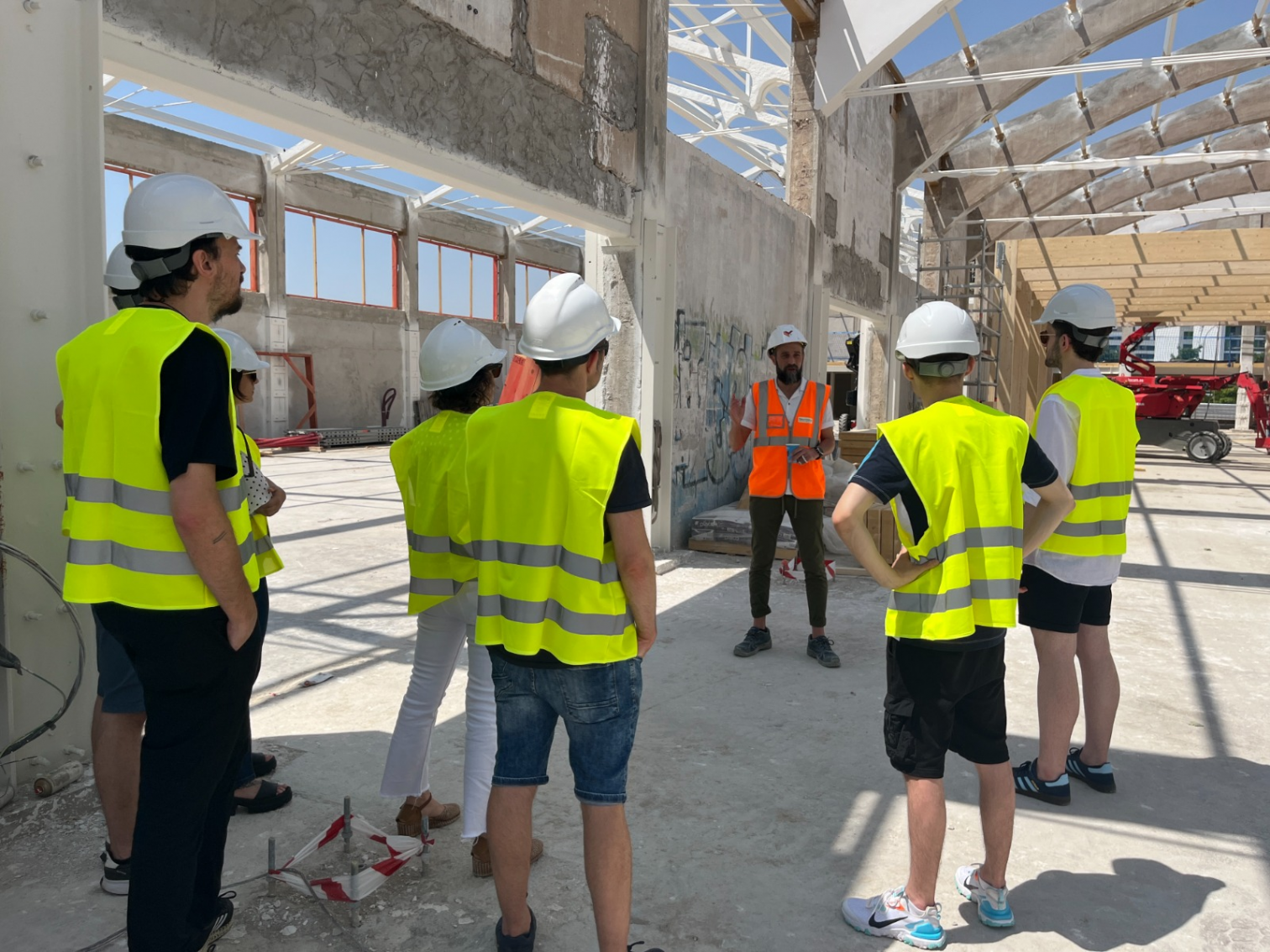
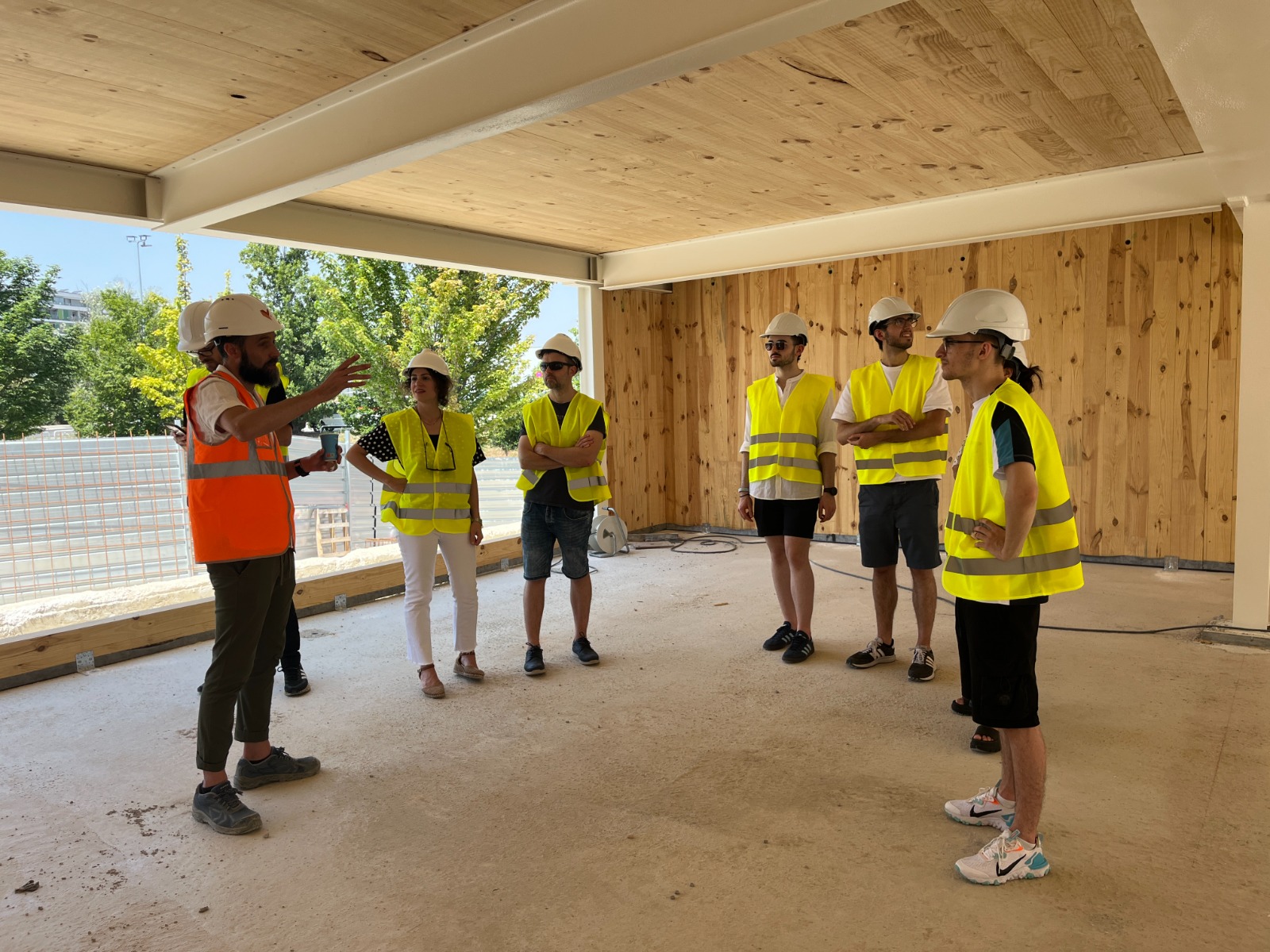
The visit was guided by Iñigo Sainz, technician in the Projects and Studies Section of Nasuvinsa’s Housing Department. During the visit, Sainz explained the current state of the works, the main construction decisions behind the project and the role that Nasuvinsa is playing in the development of this strategic infrastructure for Navarra.
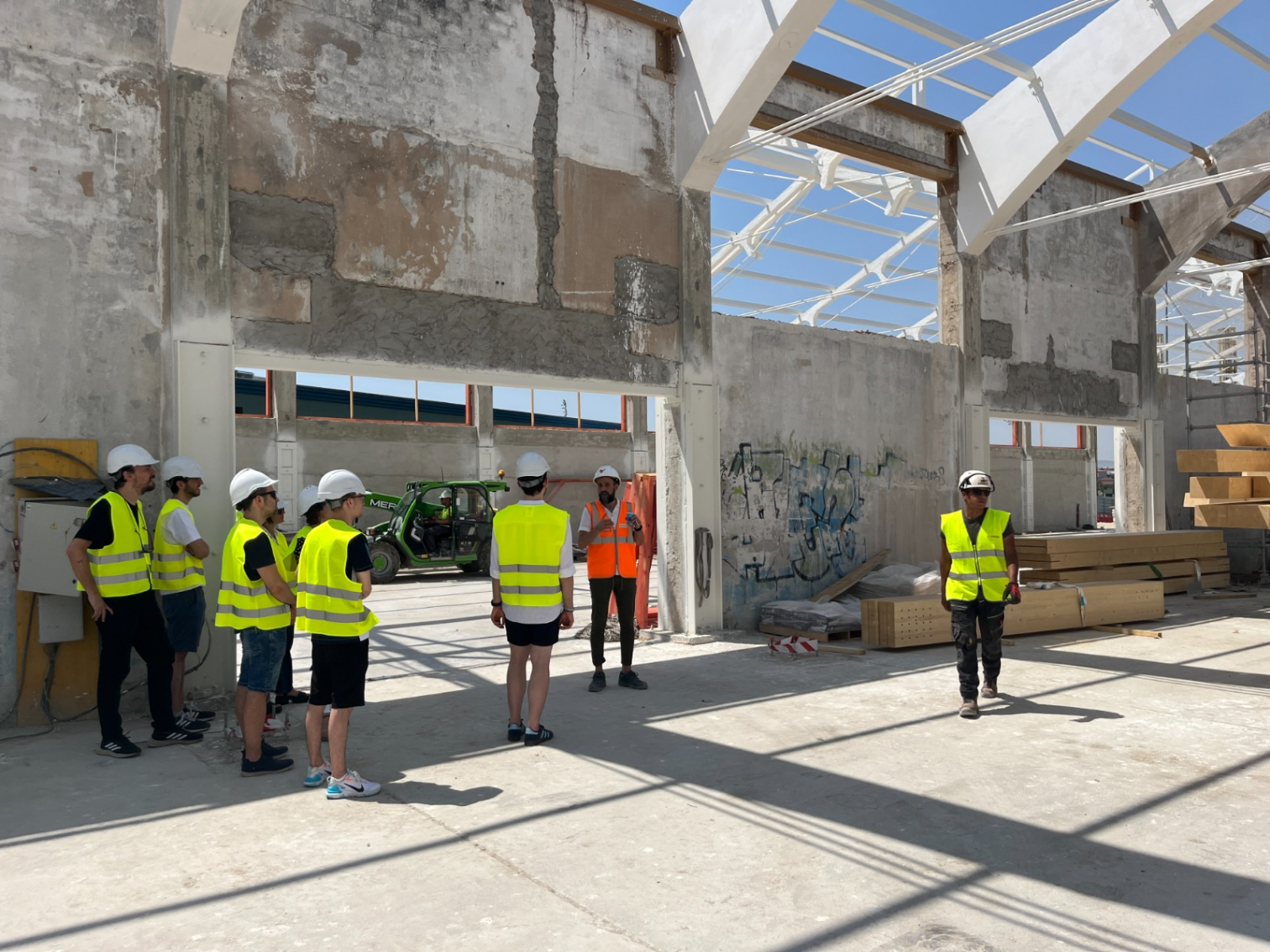
The visit was conceived as a learning session on site. Participants walked through the different areas of the building and were able to gain first-hand insight into the transformation of the existing industrial buildings that will become BAI’s headquarters. The project is based on the refurbishment of two pre-existing buildings located in a strategic area of Pamplona, close to the Public University of Navarra and the future Navarra Technology Hub.
This context was particularly meaningful as the closing activity of the workshop. Throughout the week, participants had worked on the relationship between digital models, structural logic, fabrication and assembly. The visit made it possible to transfer many of these questions to a real architectural scale, observing how design decisions take shape on site and how technical constraints influence the definition of spaces.
BAI’s future headquarters is conceived to accommodate different yet complementary areas: spaces linked to research and development, work areas, classrooms, project workshops and areas intended for prototype fabrication. The organisation of the building responds to the need for flexible, open and adaptable spaces capable of supporting the institute’s training, research and technological activity.
During the visit, issues related to refurbishment, structural adaptation and the incorporation of new uses into existing buildings were also addressed. The intervention preserves the industrial logic of the buildings while updating them to accommodate a programme directly related to advanced construction. This connection between pre-existence, technology and new models of learning made it possible to relate the visit to some of the questions that had guided the workshop.
Nasuvinsa’s role was central to this reading of the project. As a public company linked to the development of housing, land and strategic projects in Navarra, Nasuvinsa is playing a key role in coordinating and supporting BAI’s future headquarters. Its involvement places the project within a broader strategy to promote innovation, sustainability and the transformation of the construction sector in the Chartered Community of Navarra.
The site visit offered participants a direct approach to the execution process of a building that will be, at the same time, an infrastructure, a place of learning and a platform for technological transfer. For BAI, this closing activity had a special value: it showed that advanced training does not end in the classroom or the laboratory, but continues on site, in contact with sector stakeholders and through a direct understanding of construction processes.
With this BAI On Site activity, the workshop concluded by connecting three scales of work: the prototype developed during the week, the construction site in progress and the future space where BAI will carry out its training and research activity.