
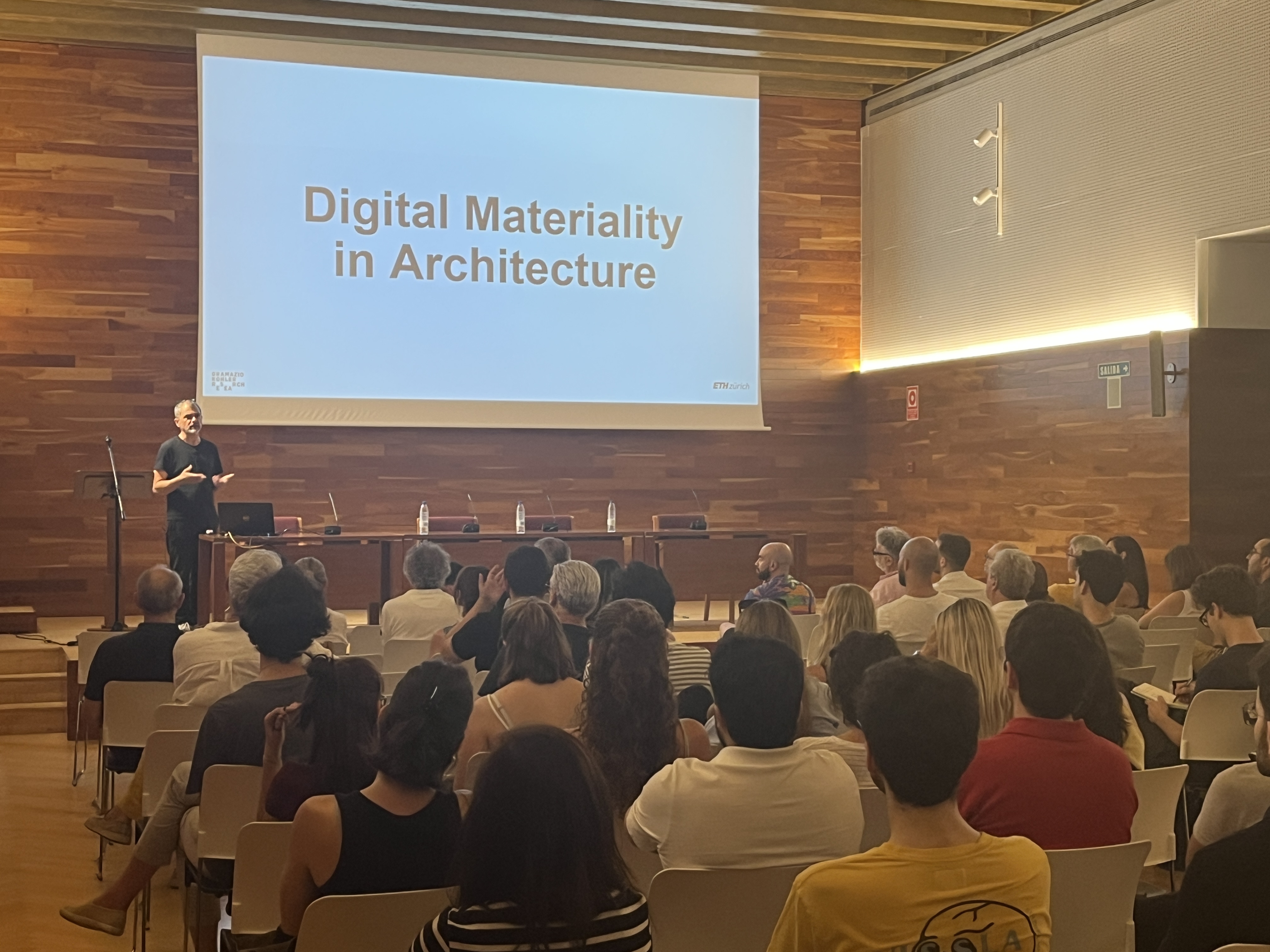
Fabio Gramazio closes the BAI Forum with a reflection on digital materiality, architecture and robotic fabrication
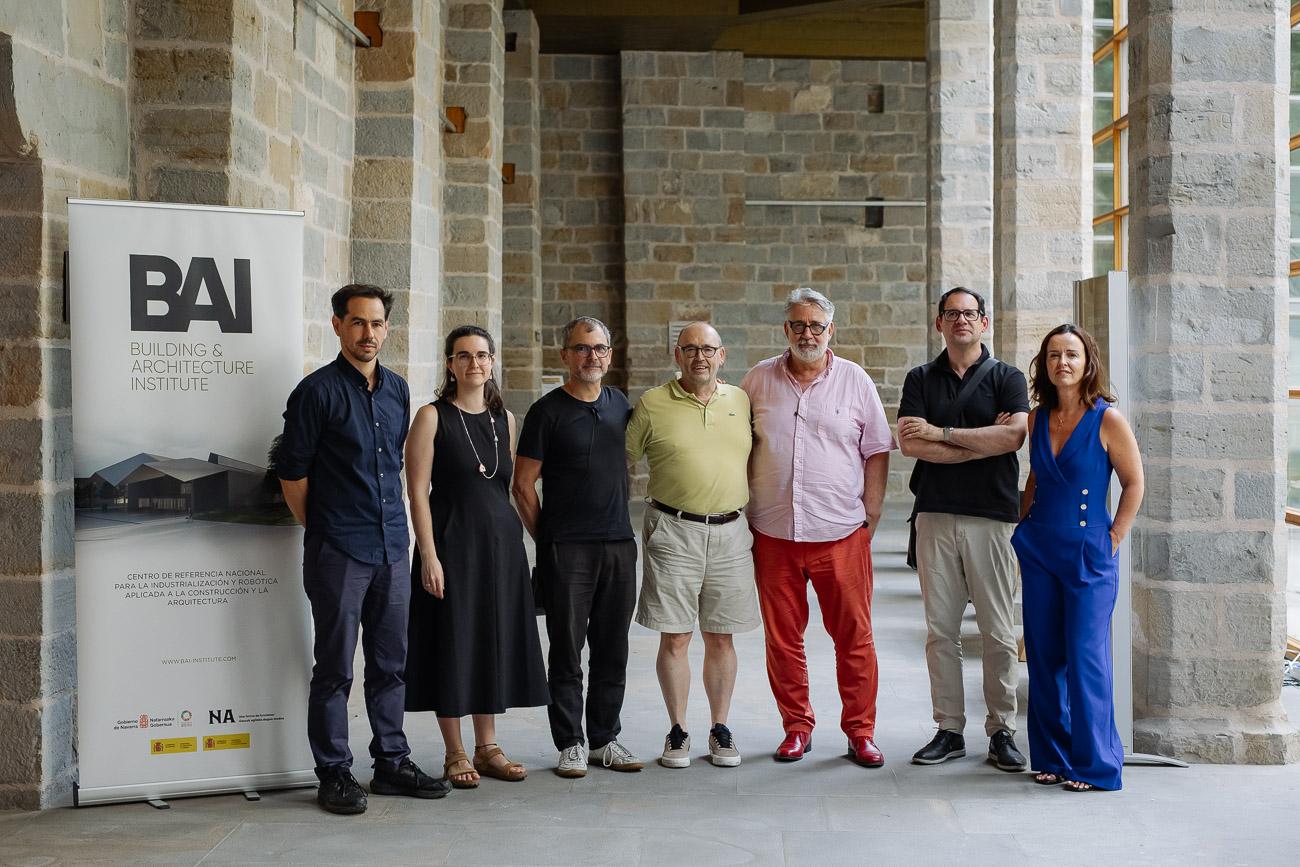
Foto: Nekane Bariain
The BAI Forum closed its first edition with a lecture by Fabio Gramazio, Swiss architect, Professor of Architecture and Digital Fabrication at ETH Zurich, and co-founder of Gramazio & Kohler Architects. The session brought together more than 50 professionals, students and stakeholders linked to architecture, engineering, research and advanced construction in Pamplona, around a central question for the future of the sector: how design processes are changing when matter, data and machines begin to form part of the same design logic. The lecture took place last Thursday, 25 June, at the Archivo Real General de Navarra.
The lecture, entitled *Digital Materiality in Architecture. How Machines Shape the Future of Architectural Production*, was introduced by Eva Perujuániz Bermúdez, Director General for Universities of the Government of Navarra. Patricia Minguito, BAI’s Academic Coordinator, acted as master of ceremonies for the session, introducing the participants and accompanying the development of the event.
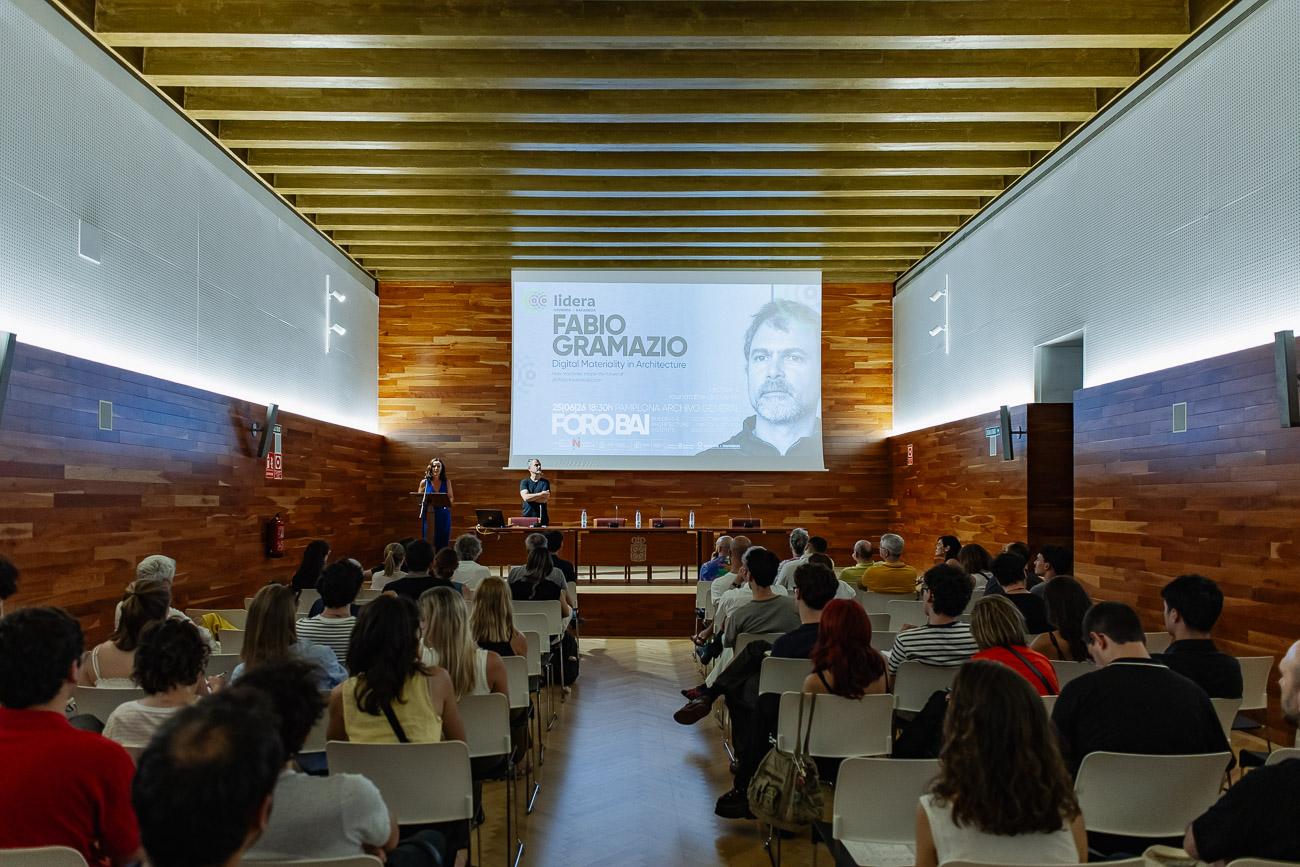
Foto: Nekane Bariain
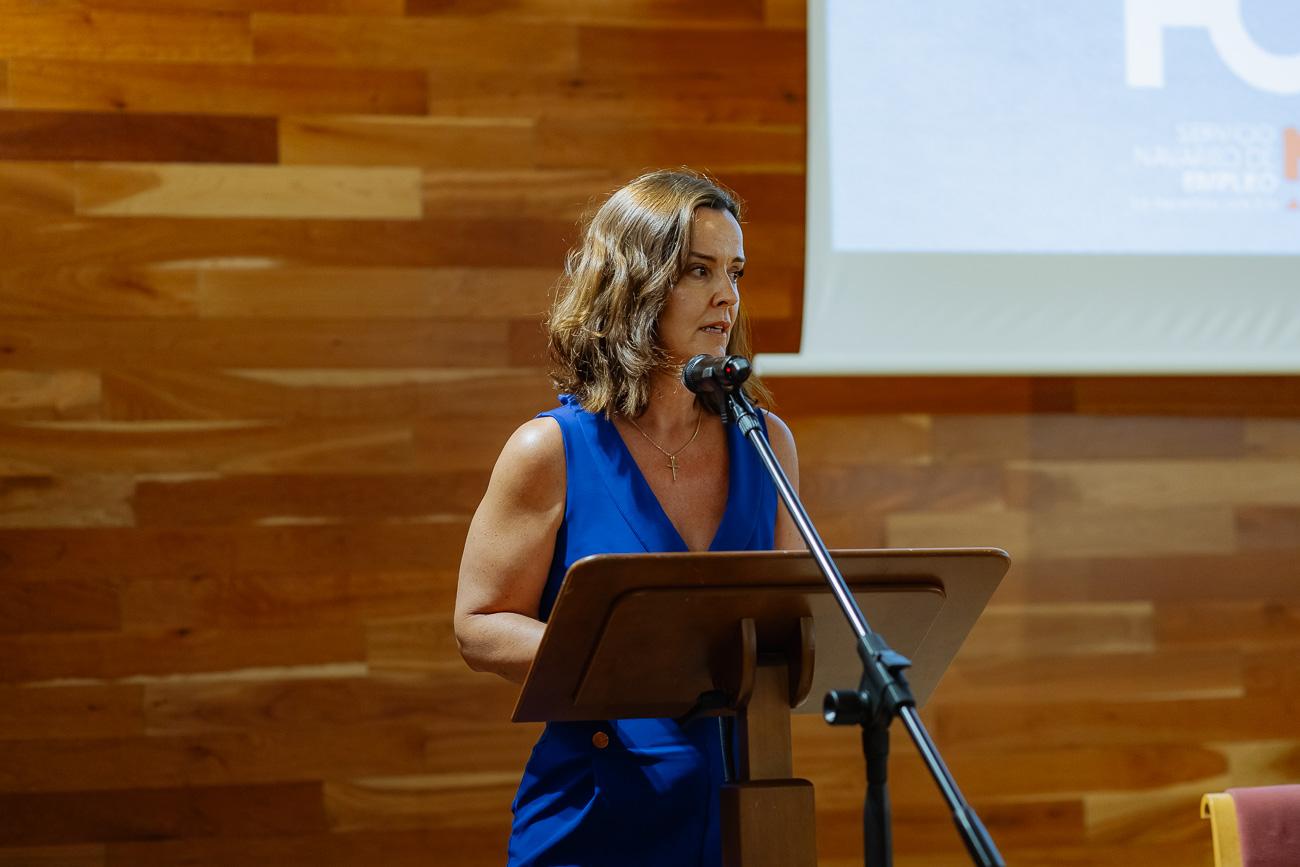
Foto: Nekane Bariain
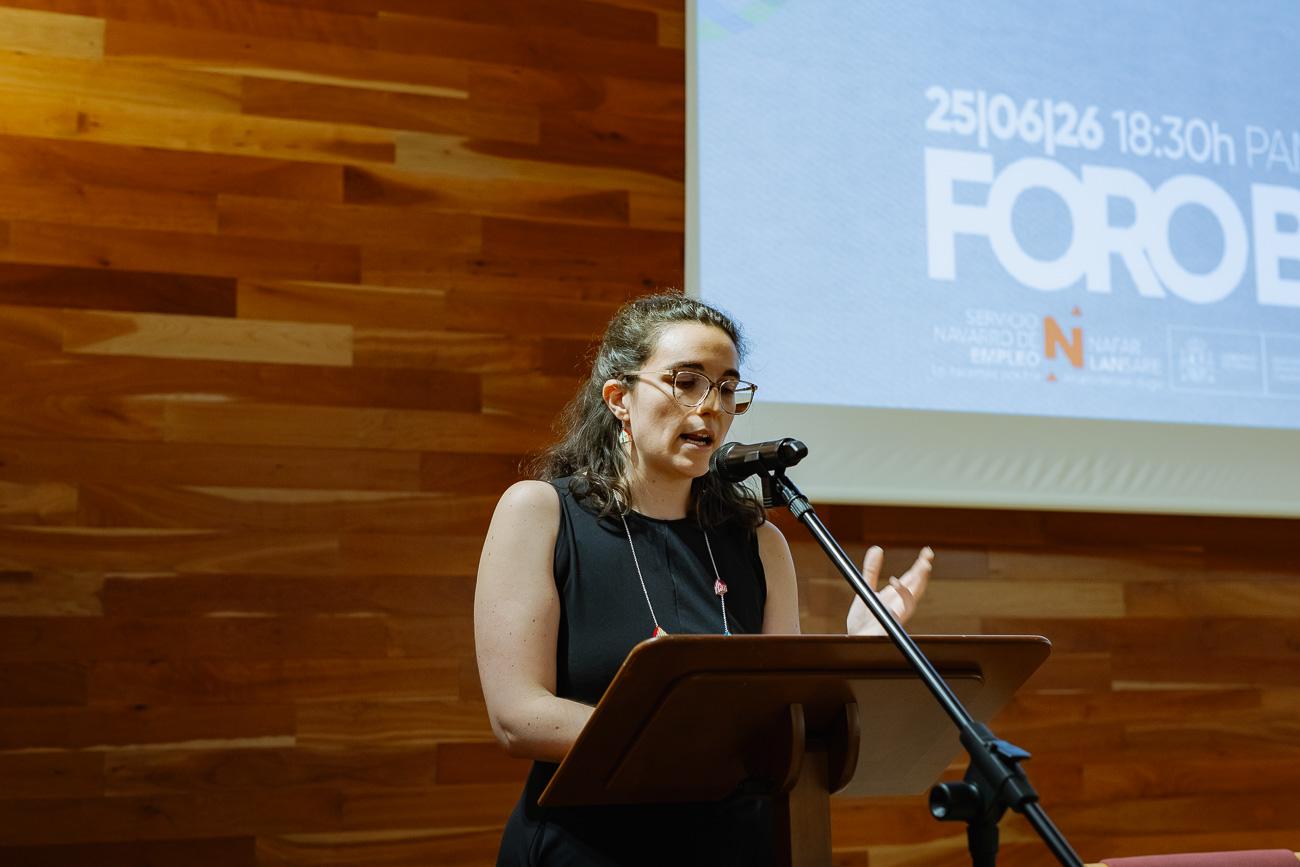
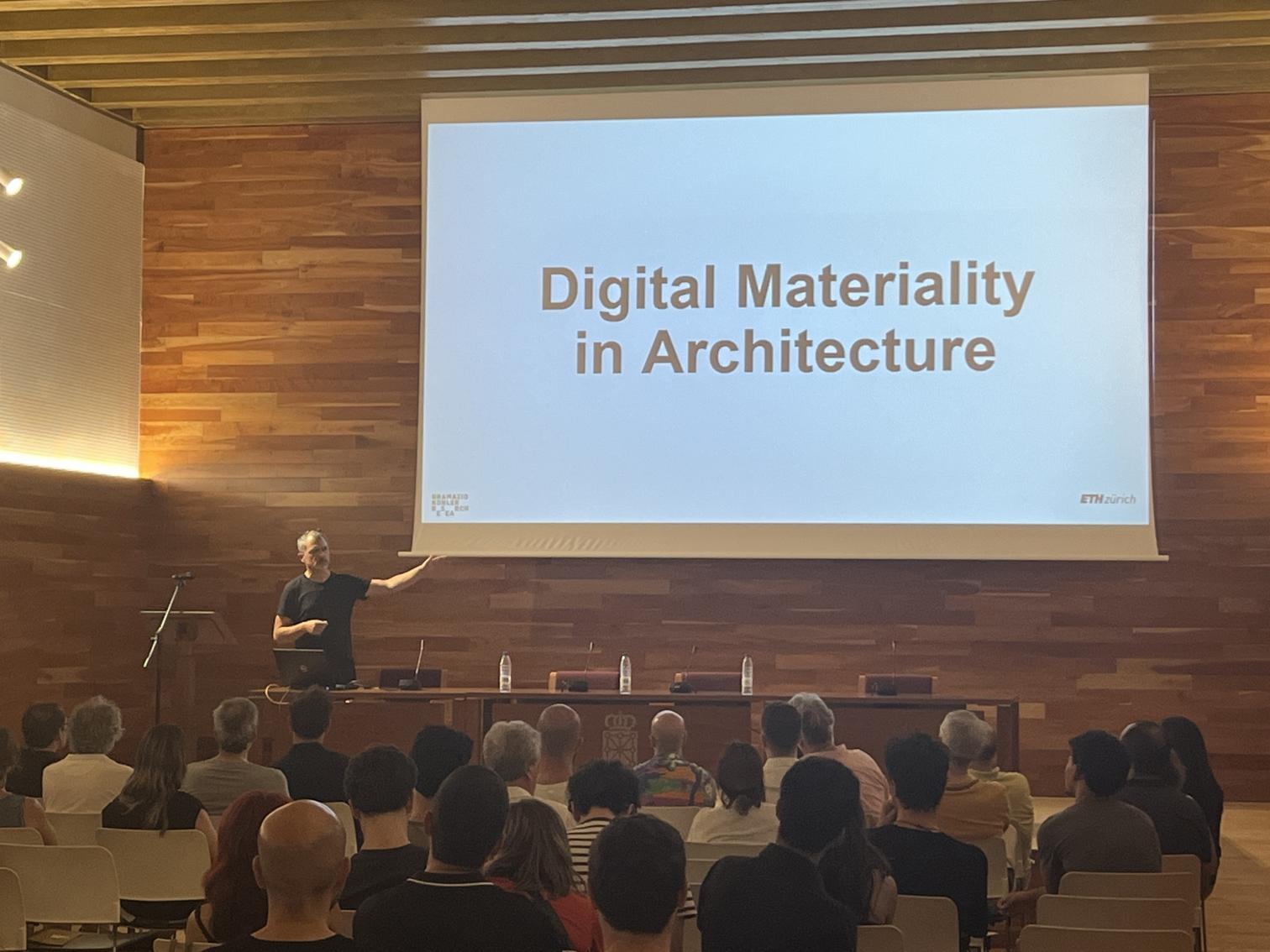
Foto: Patricia Minguito
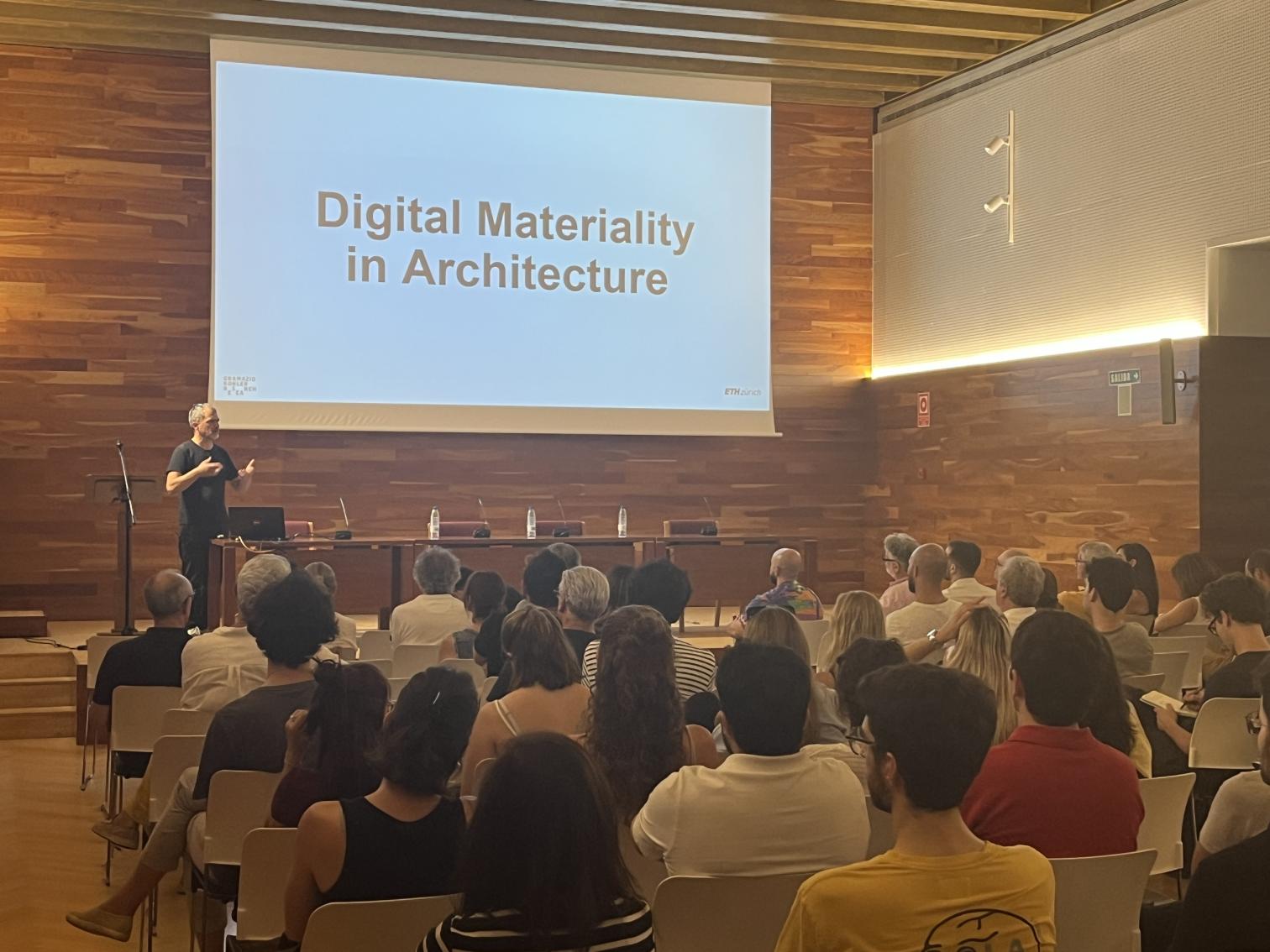
Gramazio’s lecture presented digital materiality as a way of understanding architecture through its production processes. Rather than approaching technology solely as a tool, the architect proposed a deeper perspective: data can directly shape the way materials are arranged, transformed and assembled. Robotic fabrication thus emerges as a field of work capable of opening up new construction possibilities while remaining closely connected to the physical dimension of architecture.
Through projects developed at ETH Zurich and Gramazio & Kohler Architects, the lecture showed how traditional materials can acquire new capacities when approached through digital processes. The interest of these examples lies not only in the precision of machines, but in the possibility of generating construction systems in which each formal decision is linked to a material and productive strategy.
The session also addressed the role of the architect in this context. Designing with digital technologies means defining rules, establishing relationships between information and matter, and understanding how those decisions are carried through to the fabrication process. In this shift, architecture moves closer to a more experimental practice, where research, construction and technical thinking advance together.
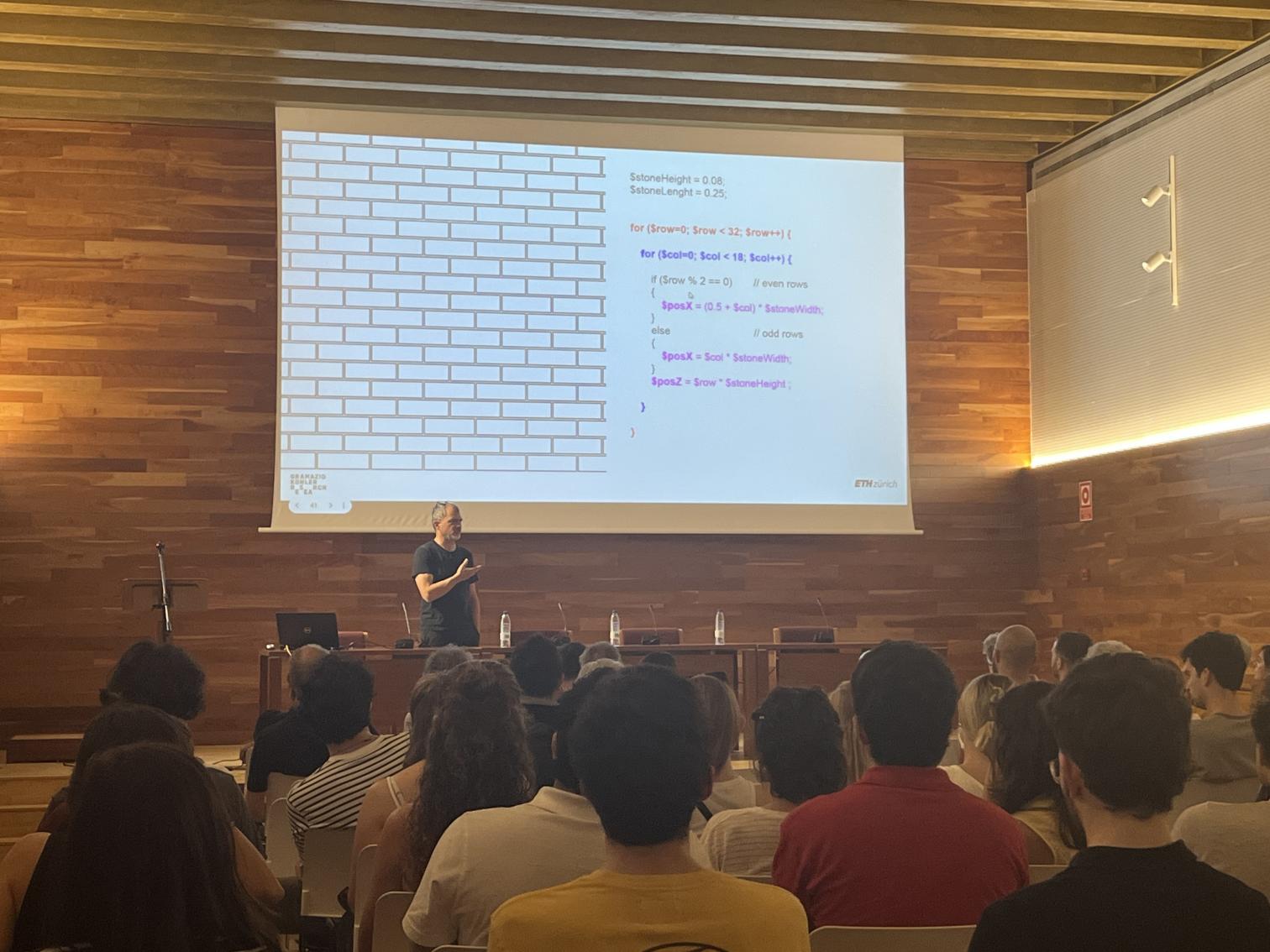
Foto: Patricia Minguito
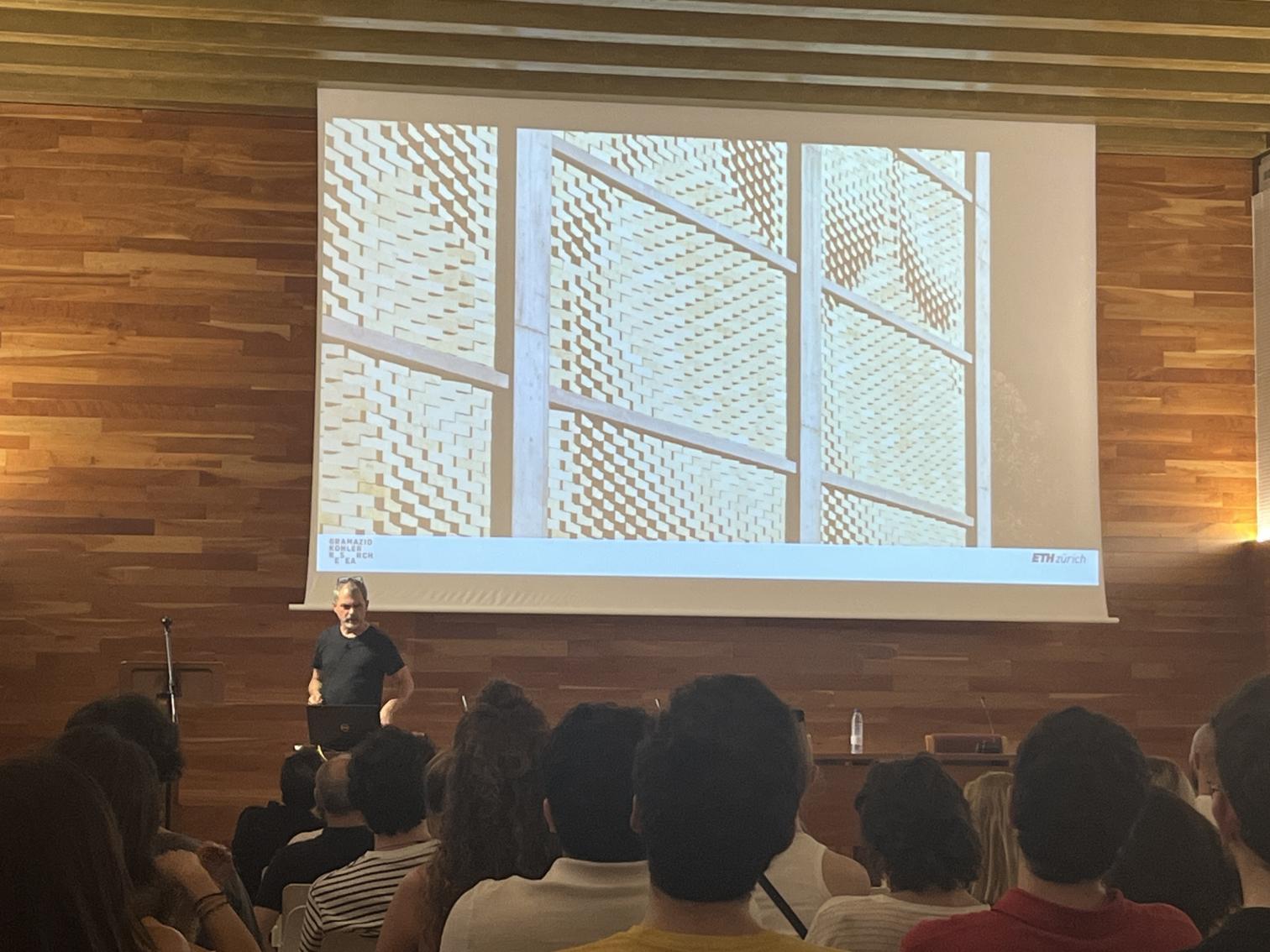
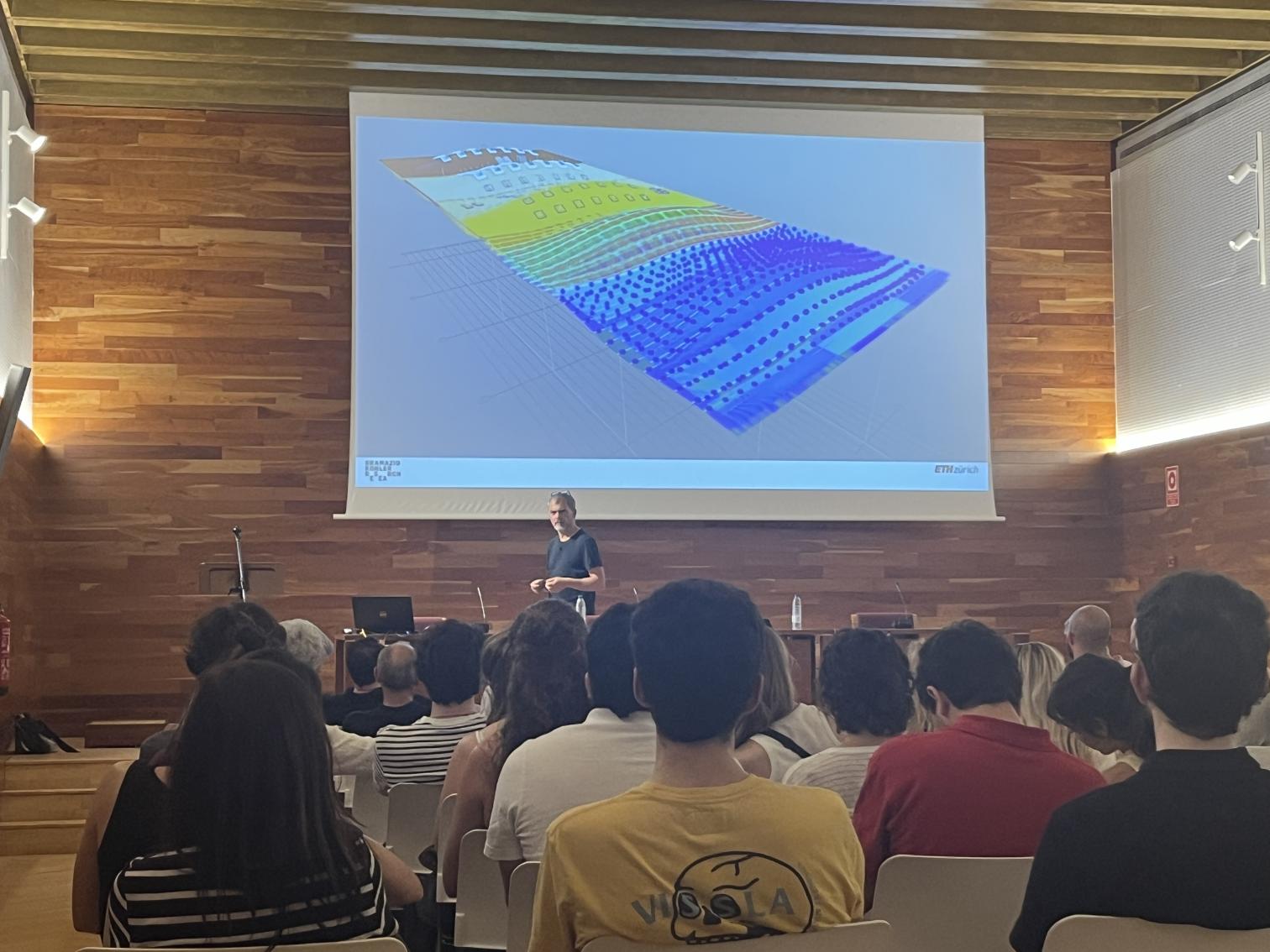
Foto: Patricia Minguito
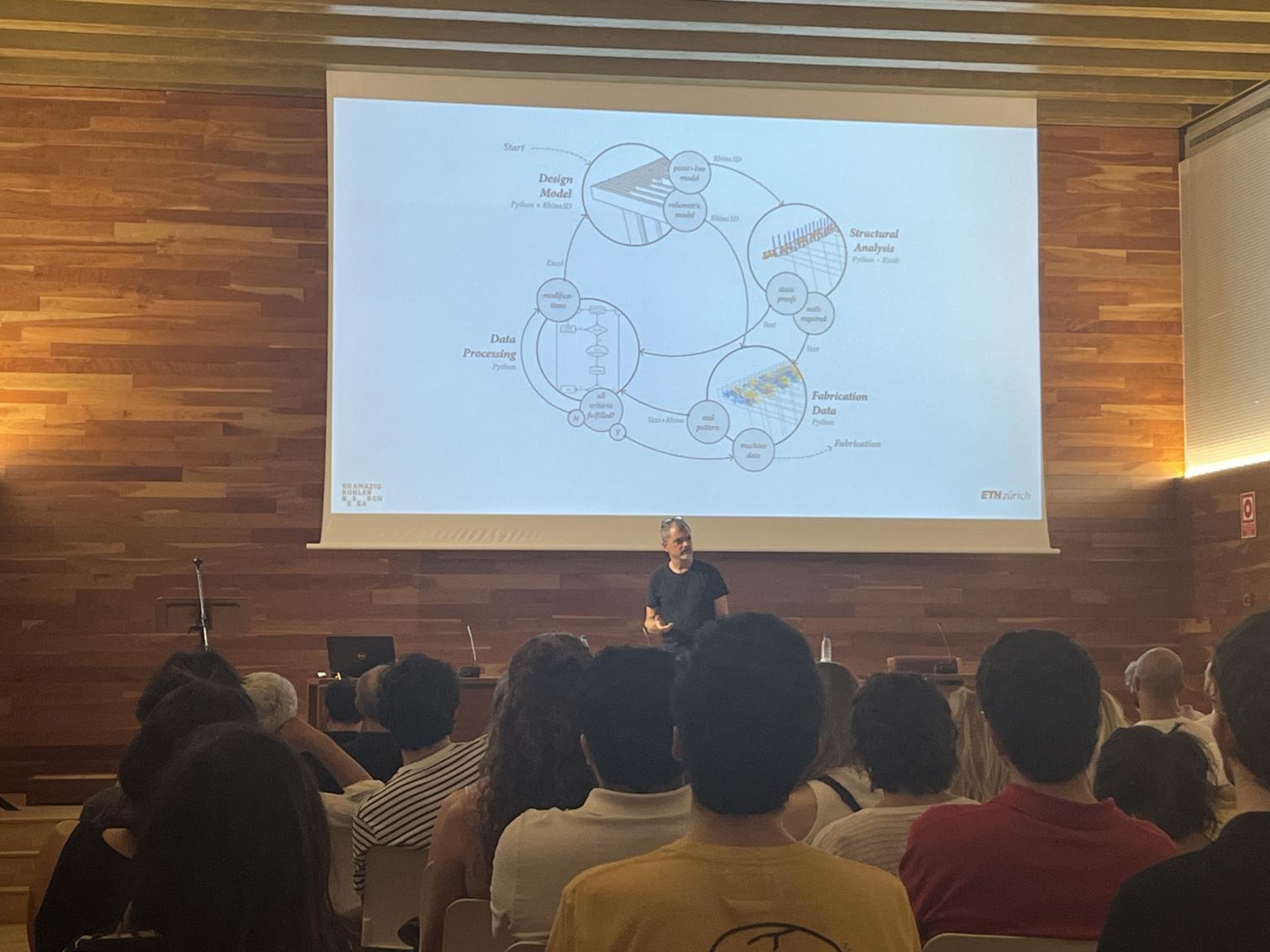
Foto: Patricia Minguito
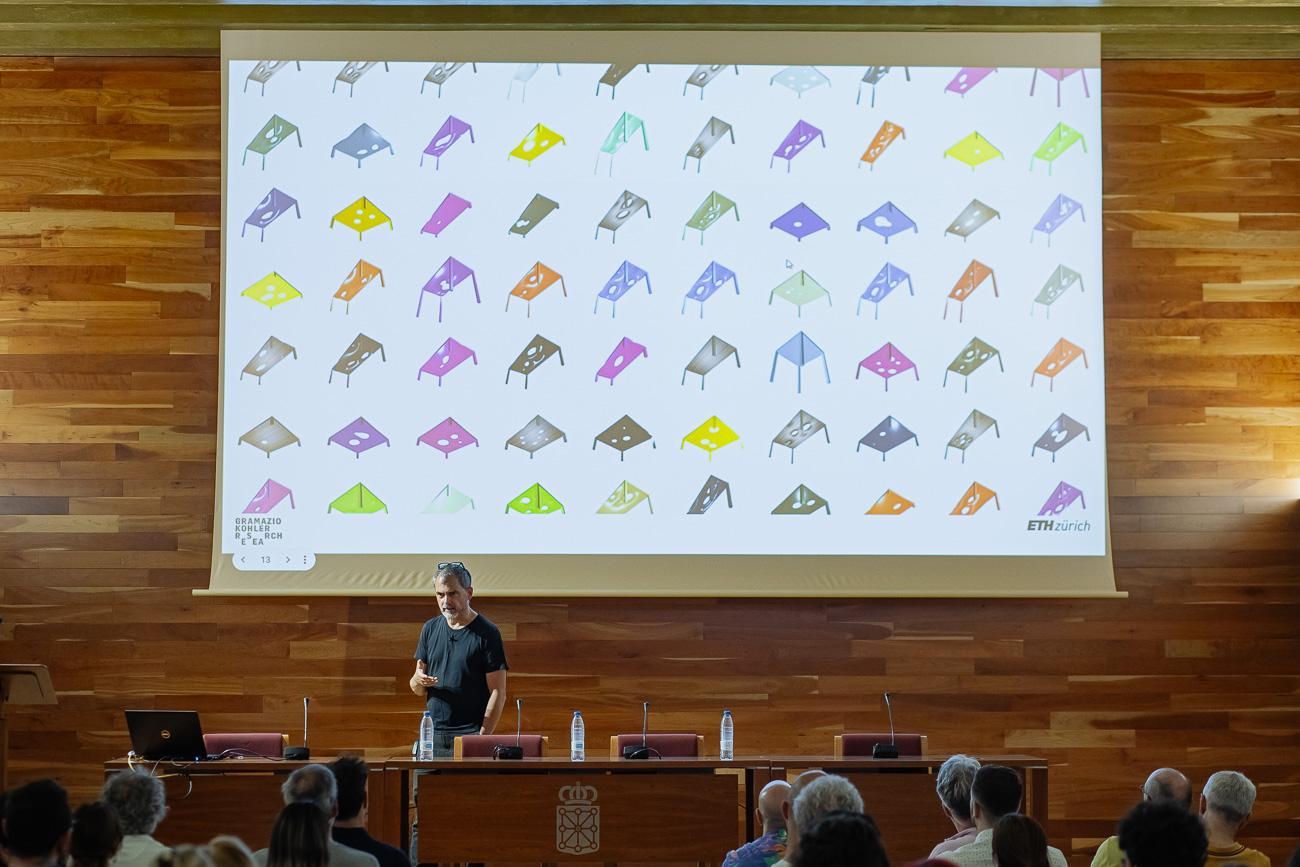
Foto: Nekane Bariain
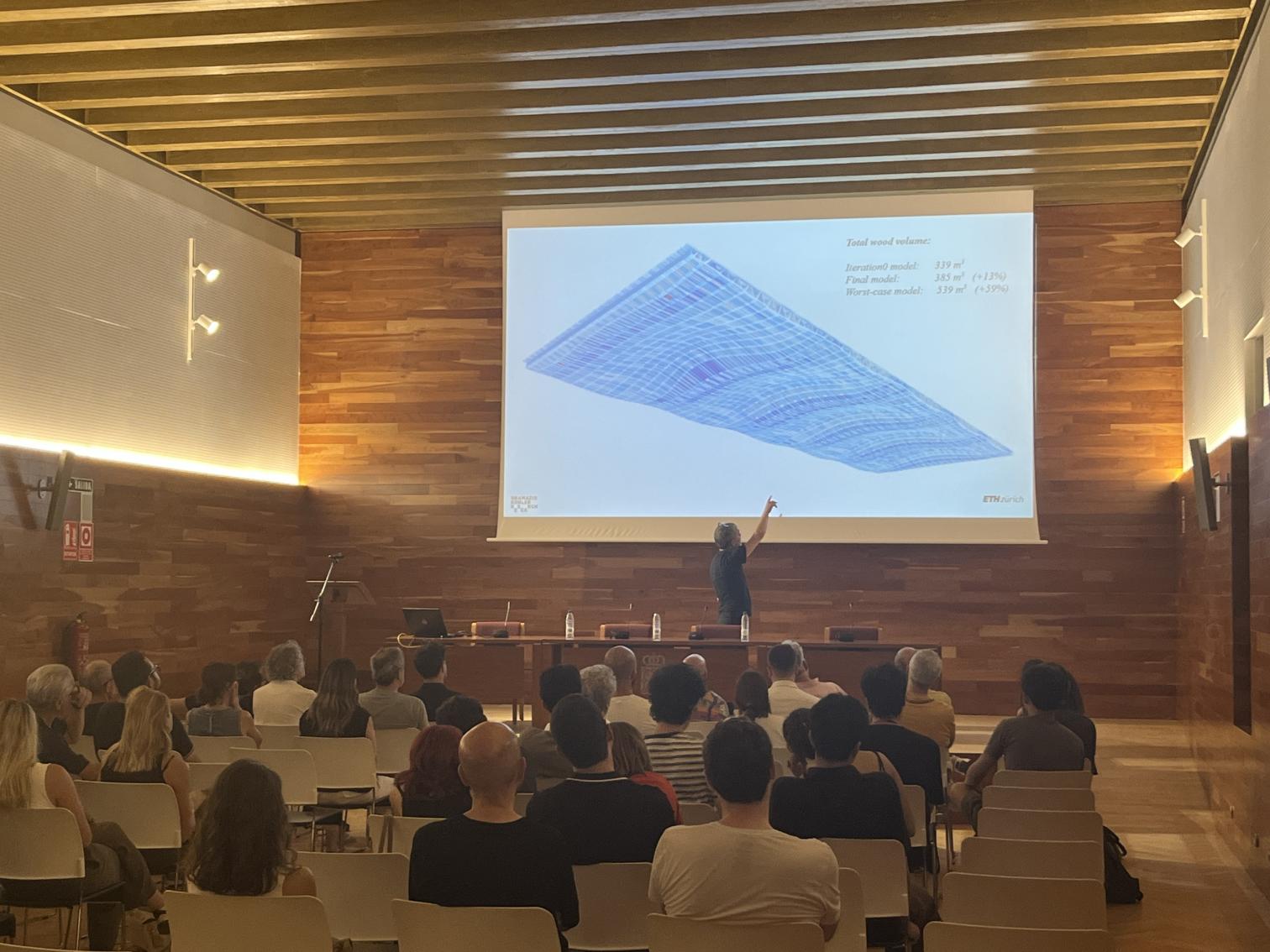
Foto: Patricia Minguito
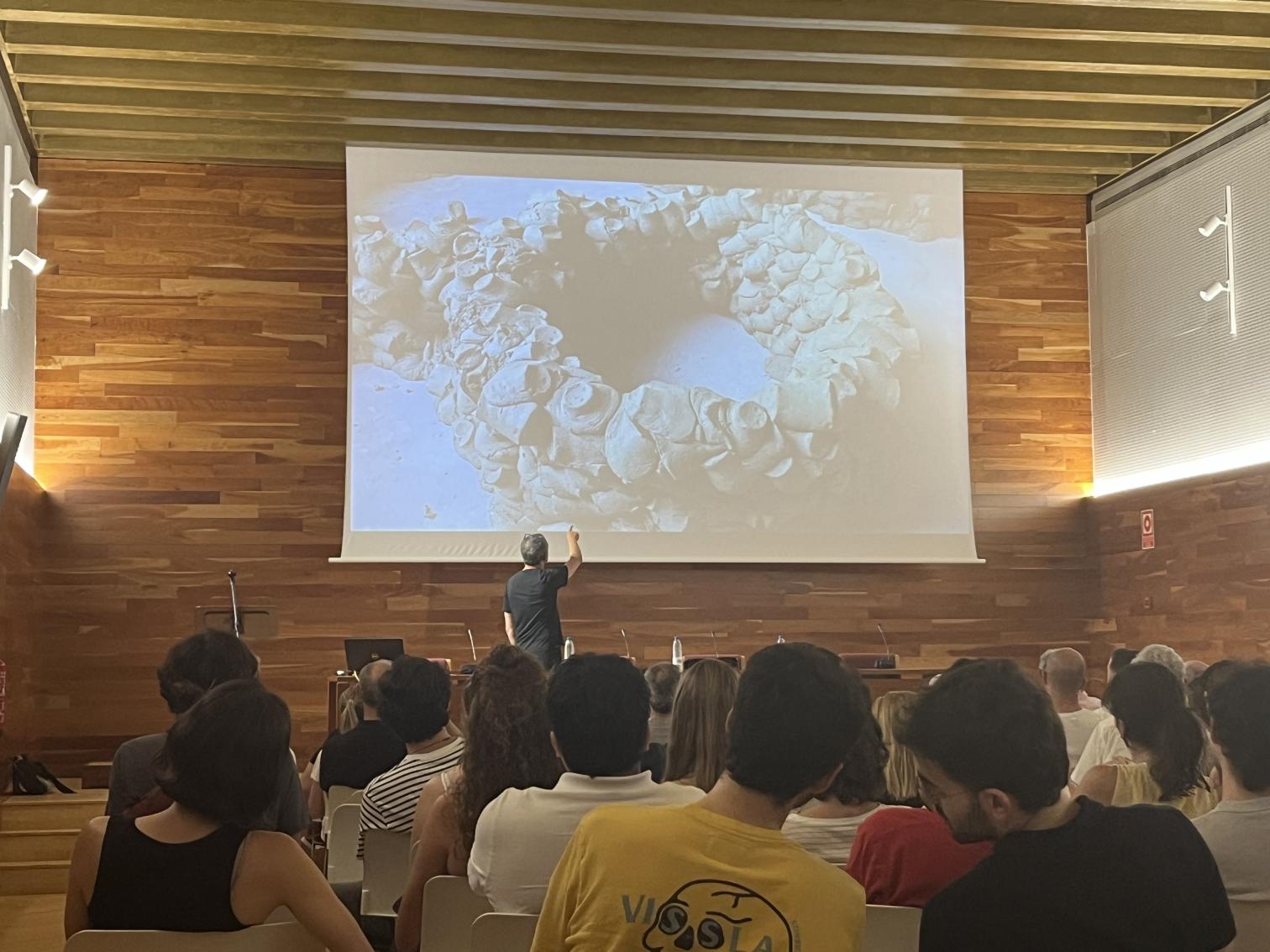
The event was attended by participants in the workshop on Computational Design Applied to Robotic Construction, which BAI was organising that same week in Pamplona. Students from the Ultzama Campus also took part, along with engineers from different fields, architects and professionals from some of the most advanced companies in the sector. This diversity of profiles reinforced the cross-disciplinary nature of the session and helped connect theoretical reflection with training and professional experiences closely linked to the current transformation of construction.
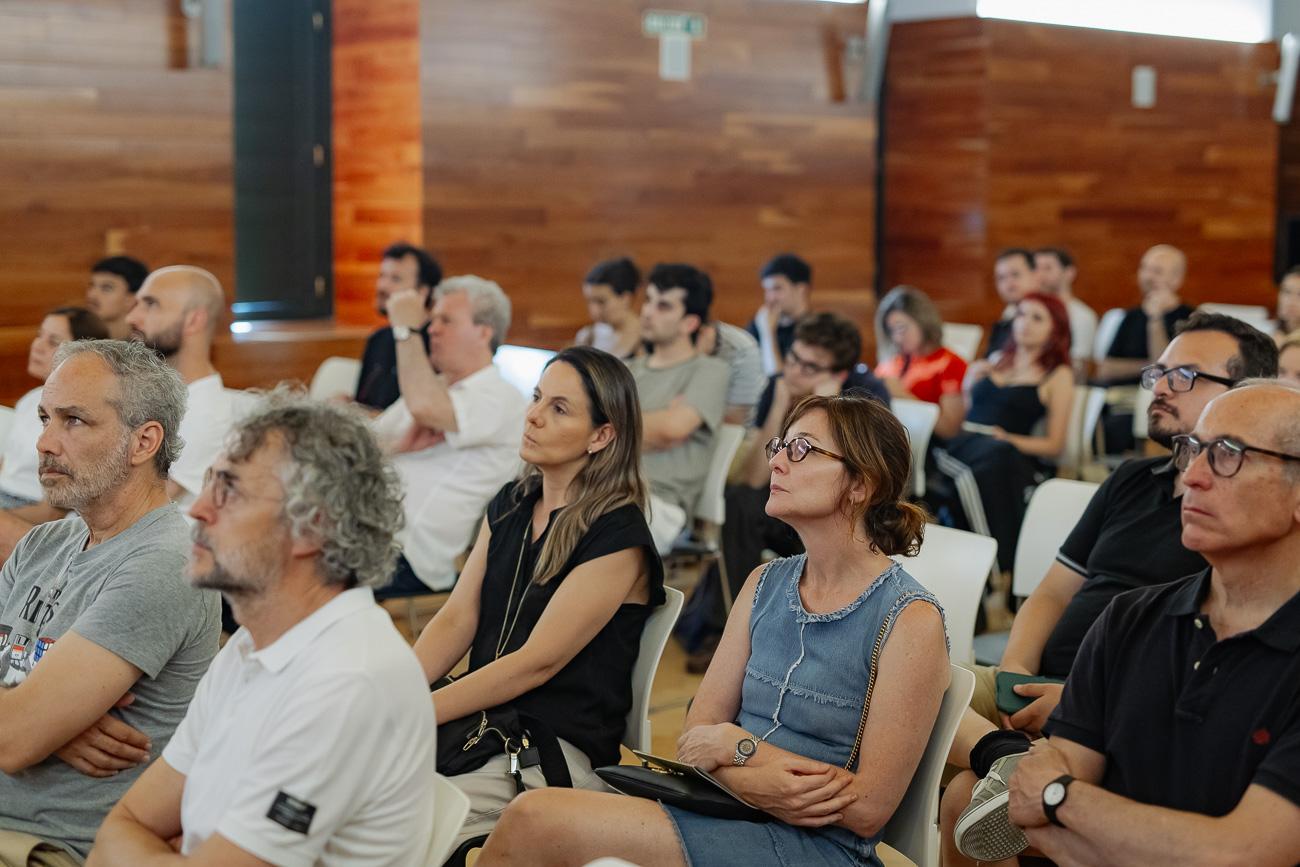
Foto: Nekane Bariain
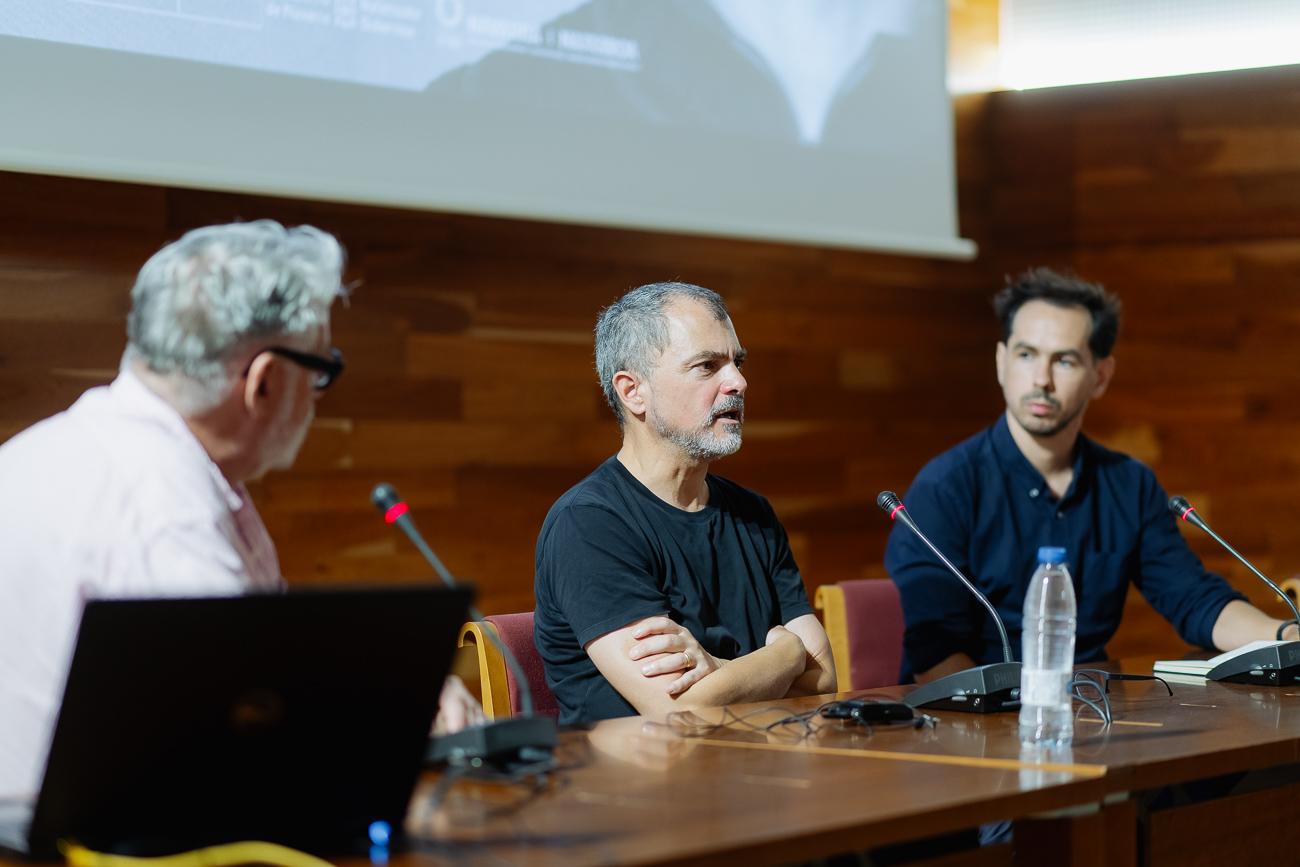
After the lecture, Fabio Gramazio took part in a roundtable discussion with Andrea Deplazes and Jesús Medina. The conversation offered an opportunity to expand on some of the issues raised during the lecture, particularly regarding the role of the human being in digital design processes, the relationship between technology and construction knowledge, and the opportunities that robotic fabrication opens up for contemporary architecture.
The discussion also included contributions from several members of the audience, who shared questions and reflections for debate with the roundtable guests.
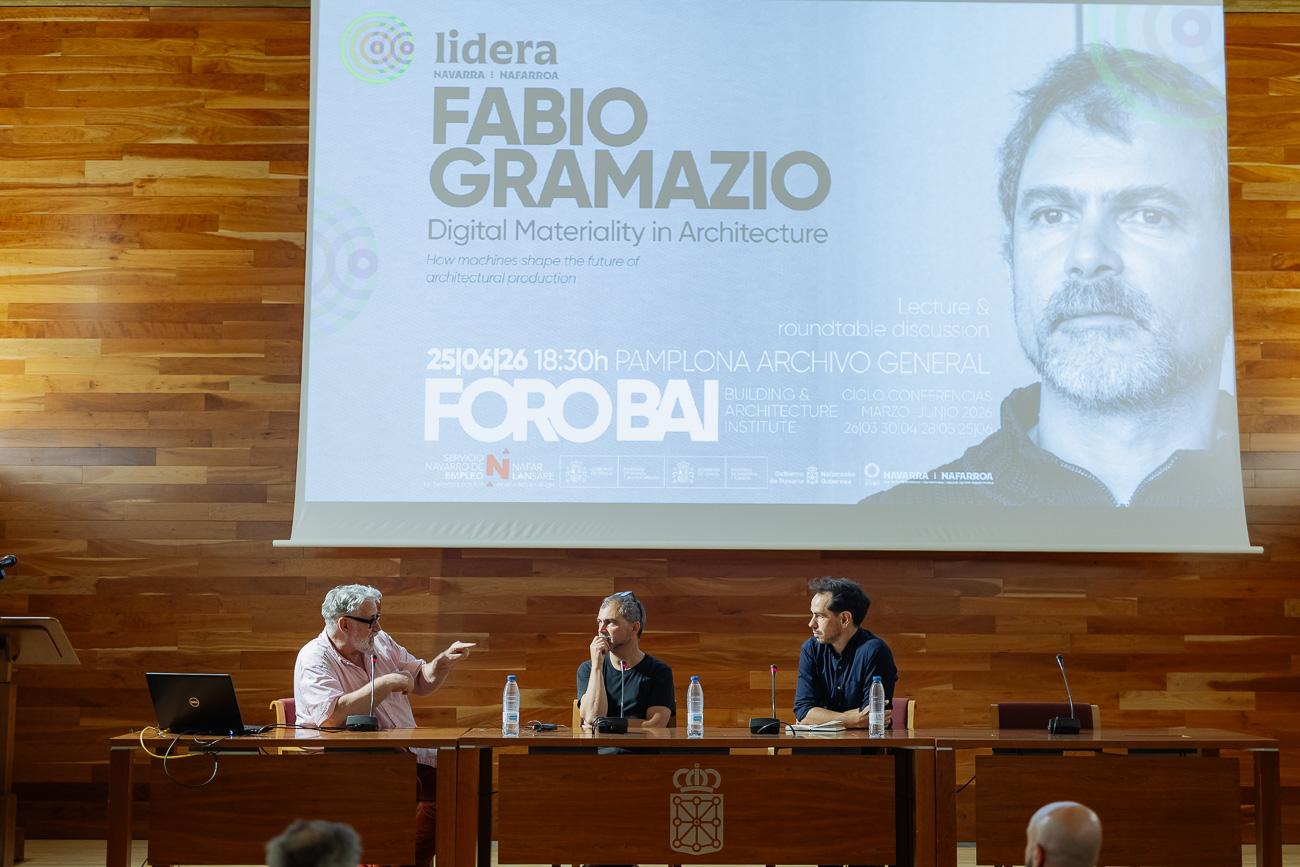
Foto: Nekane Bariain
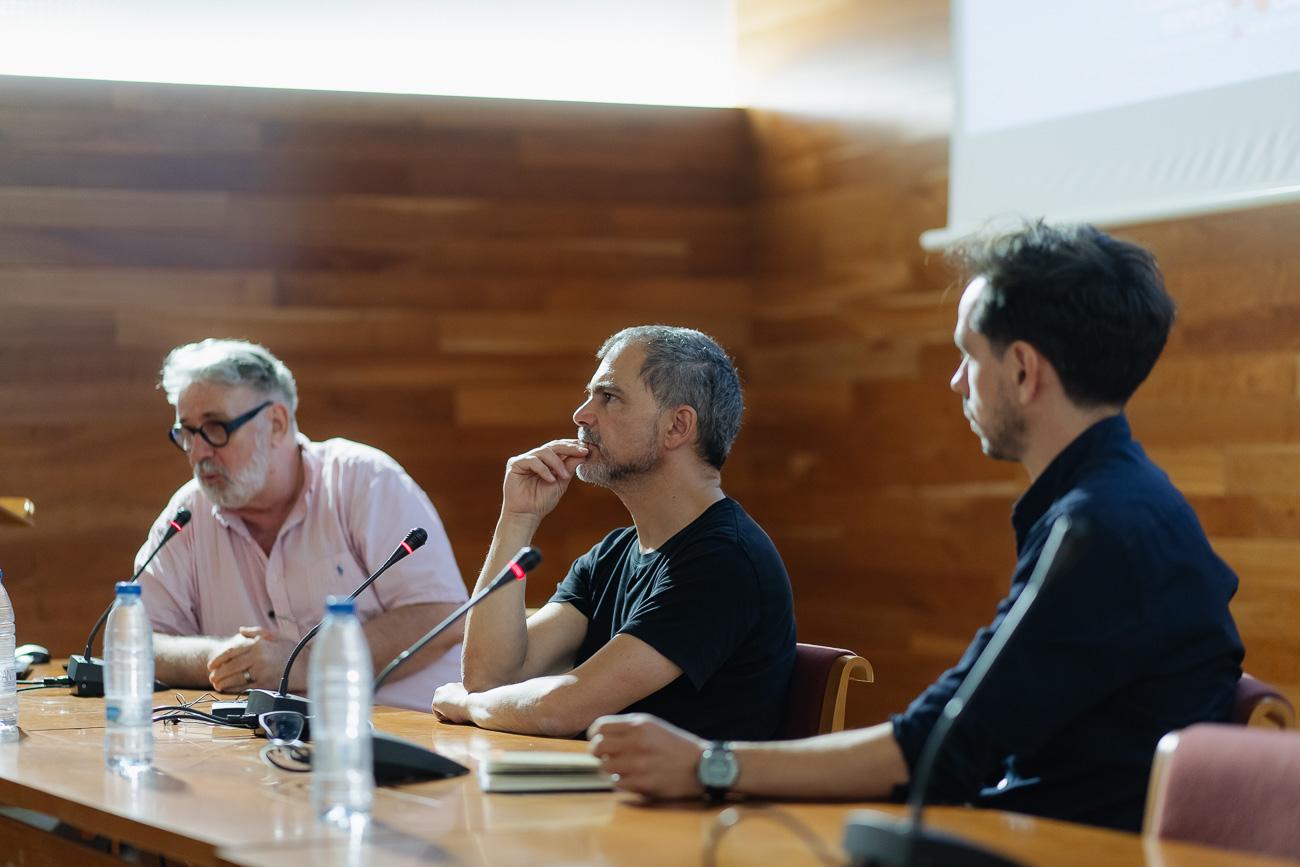
Foto: Nekane Bariain
The closing session of the BAI Forum with Fabio Gramazio held particular significance for BAI. His career represents one of the most influential international lines of work in the fields of digital architecture, robotics and applied research in construction. His presence in Pamplona brought to the Navarre ecosystem a high-level reflection on how machines can take part in architectural production from a material, critical and design-based perspective.
With this final session, the BAI Forum concludes as a meeting space for architecture, thought, innovation and knowledge transfer. Throughout the cycle, BAI has brought together leading voices to reflect on the contemporary challenges facing construction and on the role that advanced training should play in the transformation of the sector.
Activity organised by the Servicio Navarro de Empleo–Nafar Lansare through the Lidera programme, in collaboration with BAI - Building Architecture Institute.