This is how the workshop on Computational Design Applied to Robotic Timber Construction unfolded
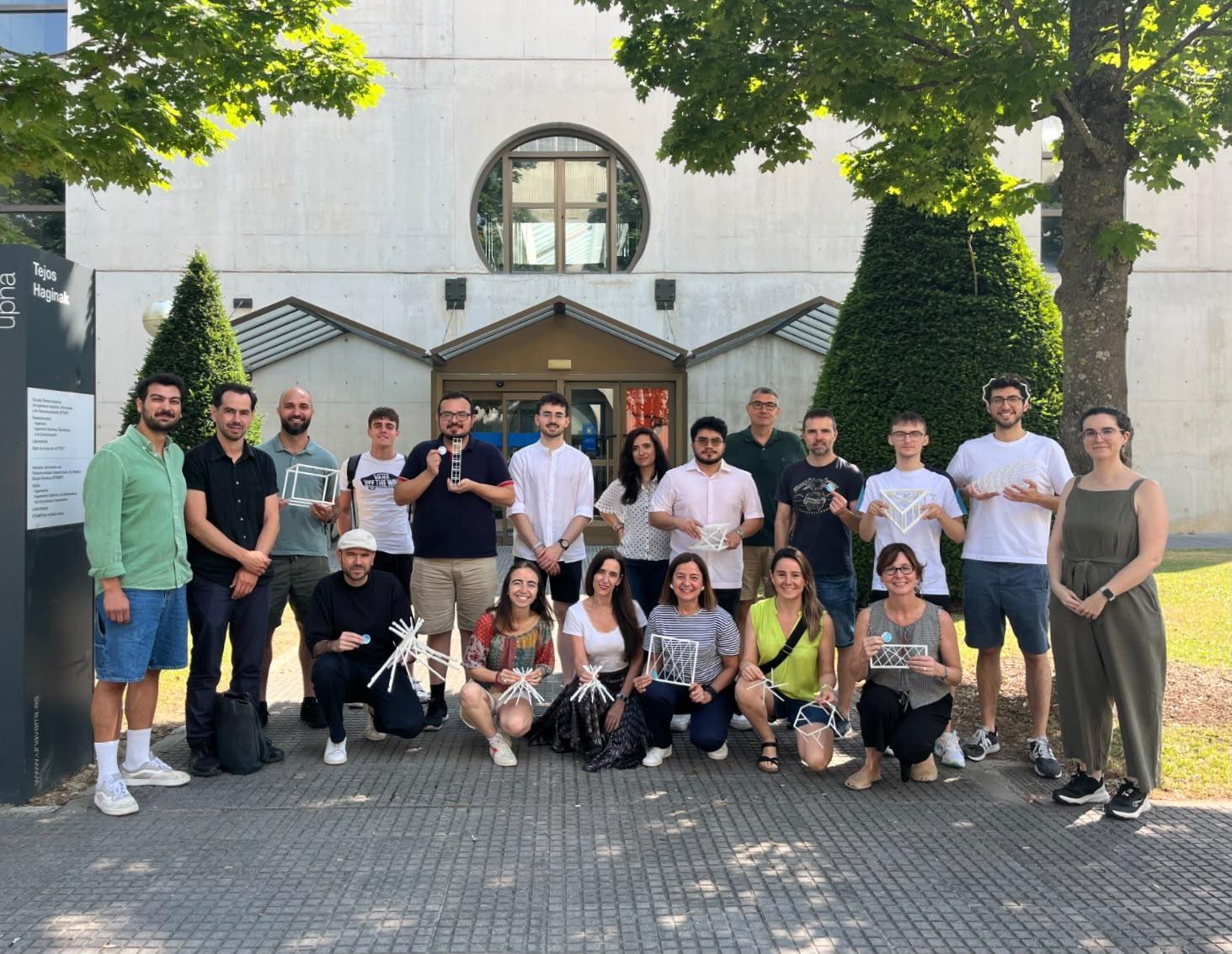
BAI held the workshop on Computational Design Applied to Robotic Timber Construction in Pamplona, an intensive training programme that took place from 22 to 26 June at the Arrosadia Campus of the Public University of Navarra. The activity was opened by Patricia Minguito, BAI’s Academic Coordinator and Head of Studies of the BAI Programme, who welcomed the participants and placed the workshop within the advanced training line that the institute is promoting around industrialisation, robotisation and innovation applied to construction.
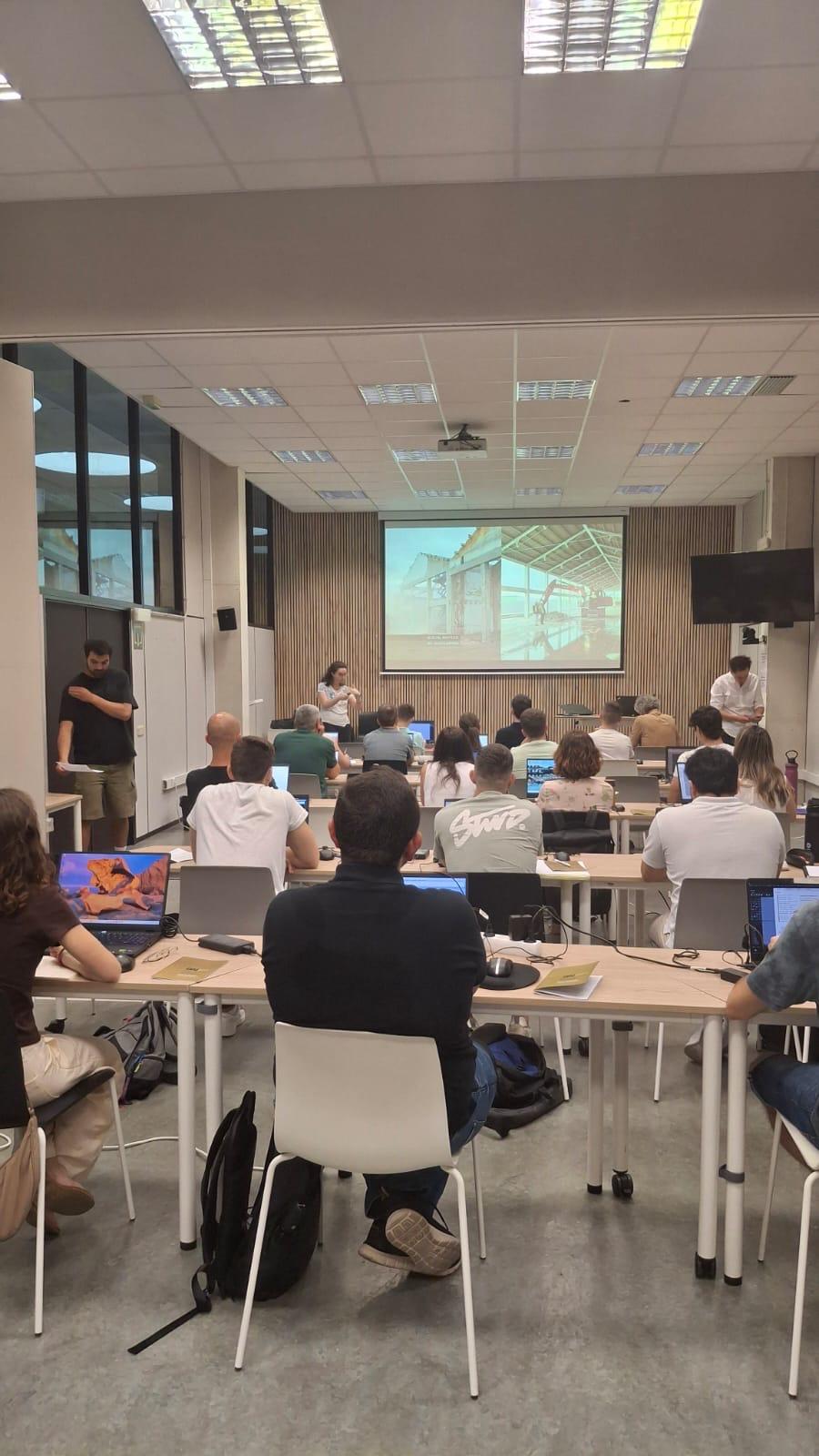
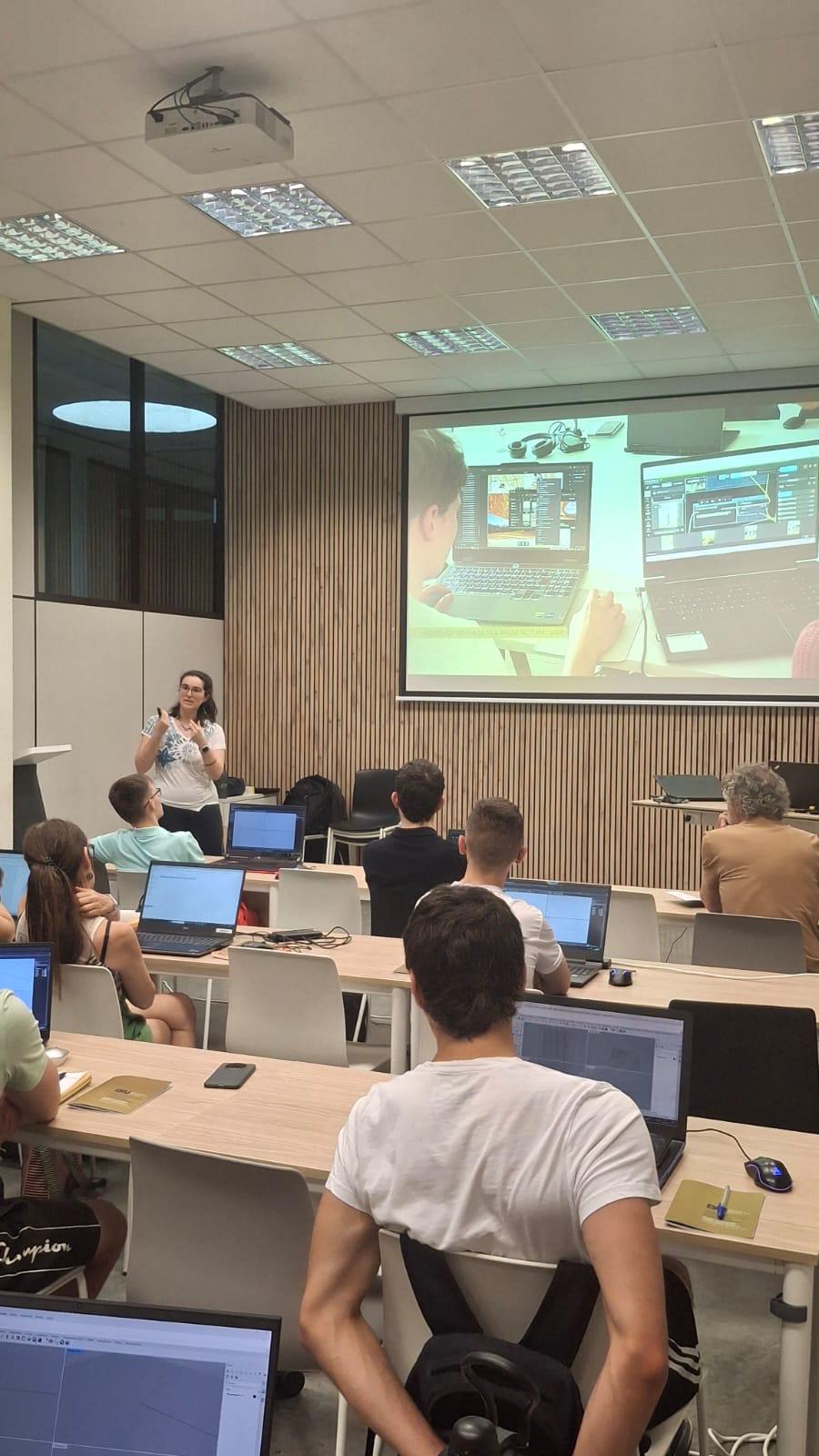
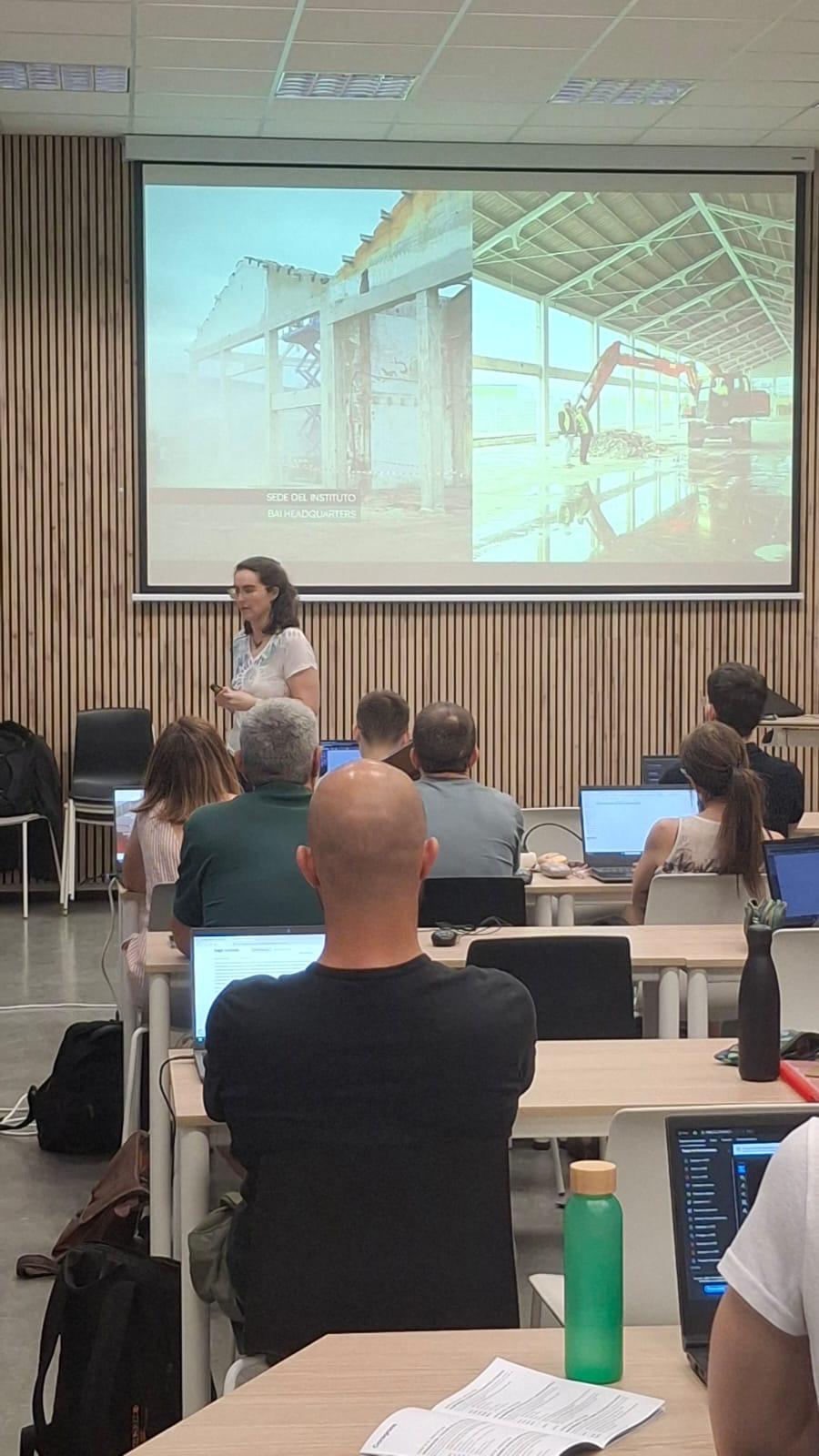
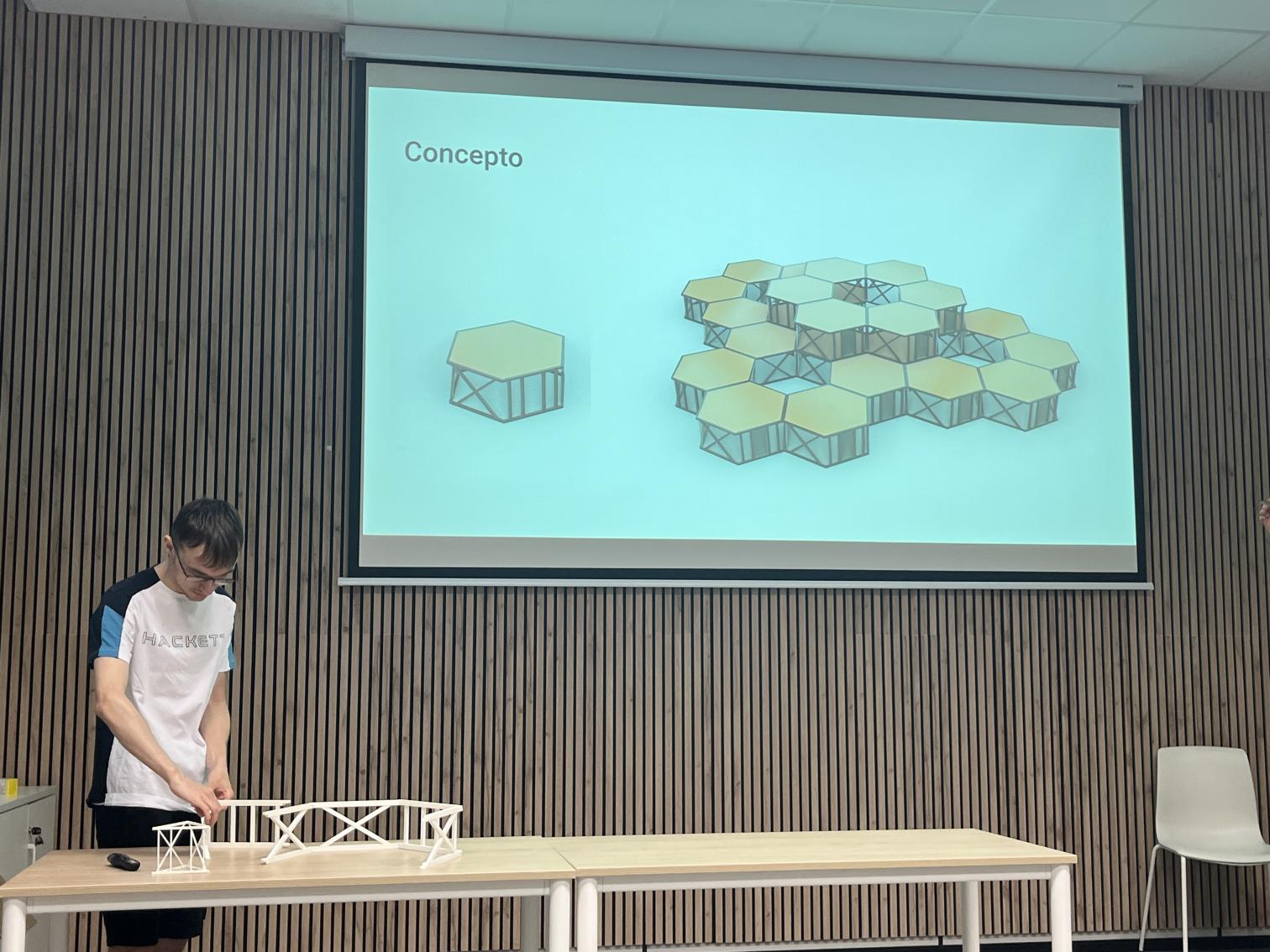
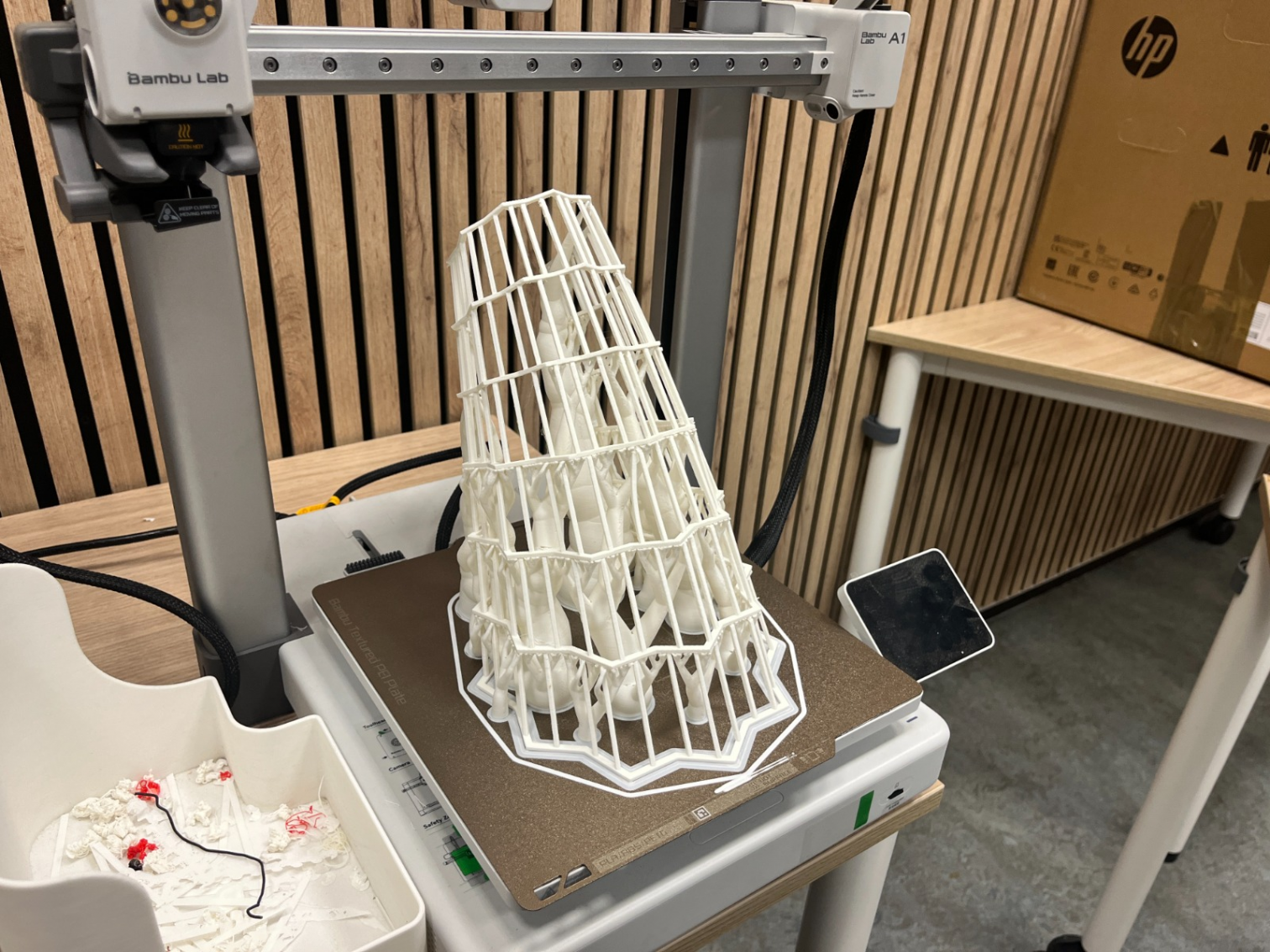
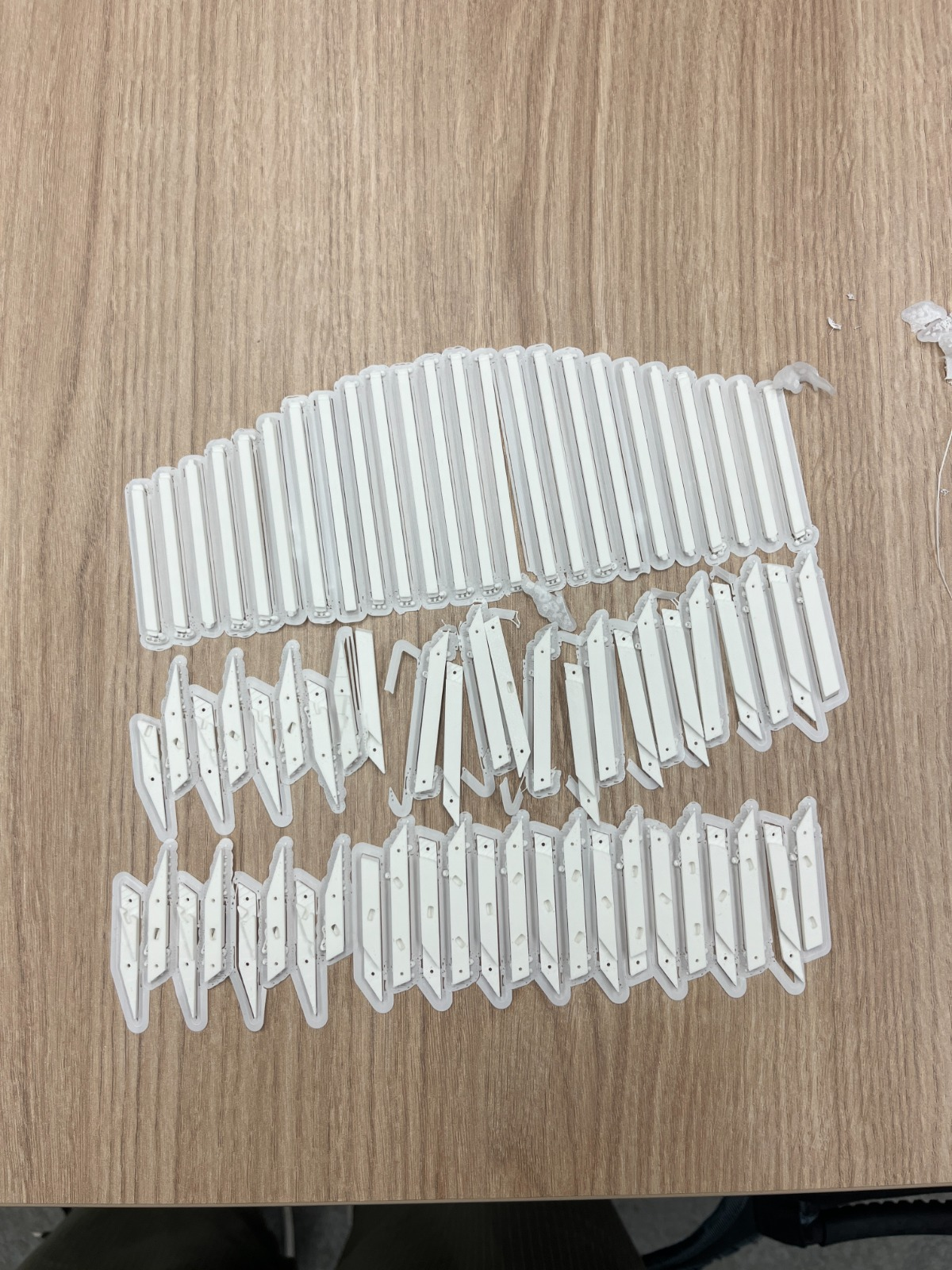
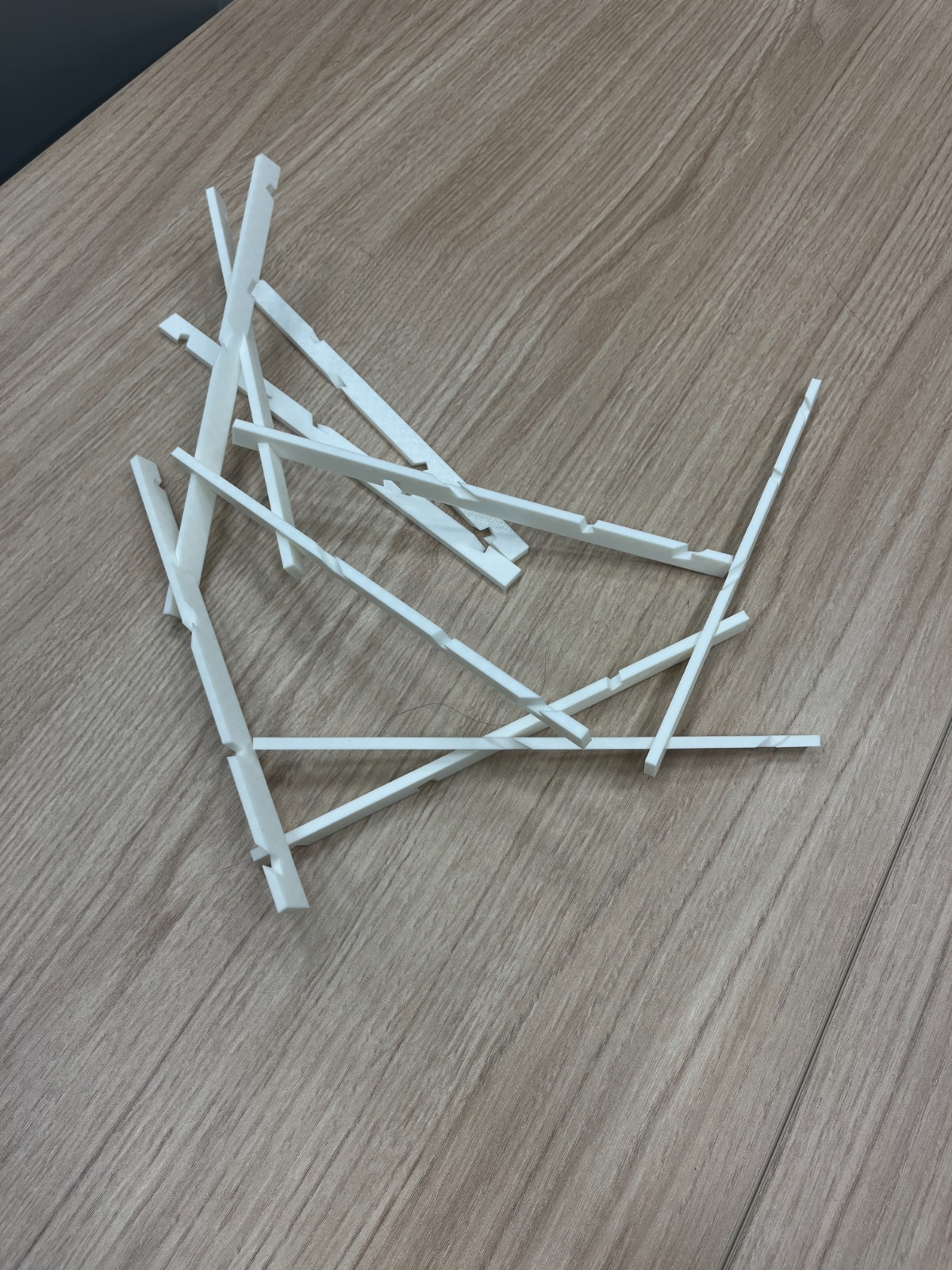
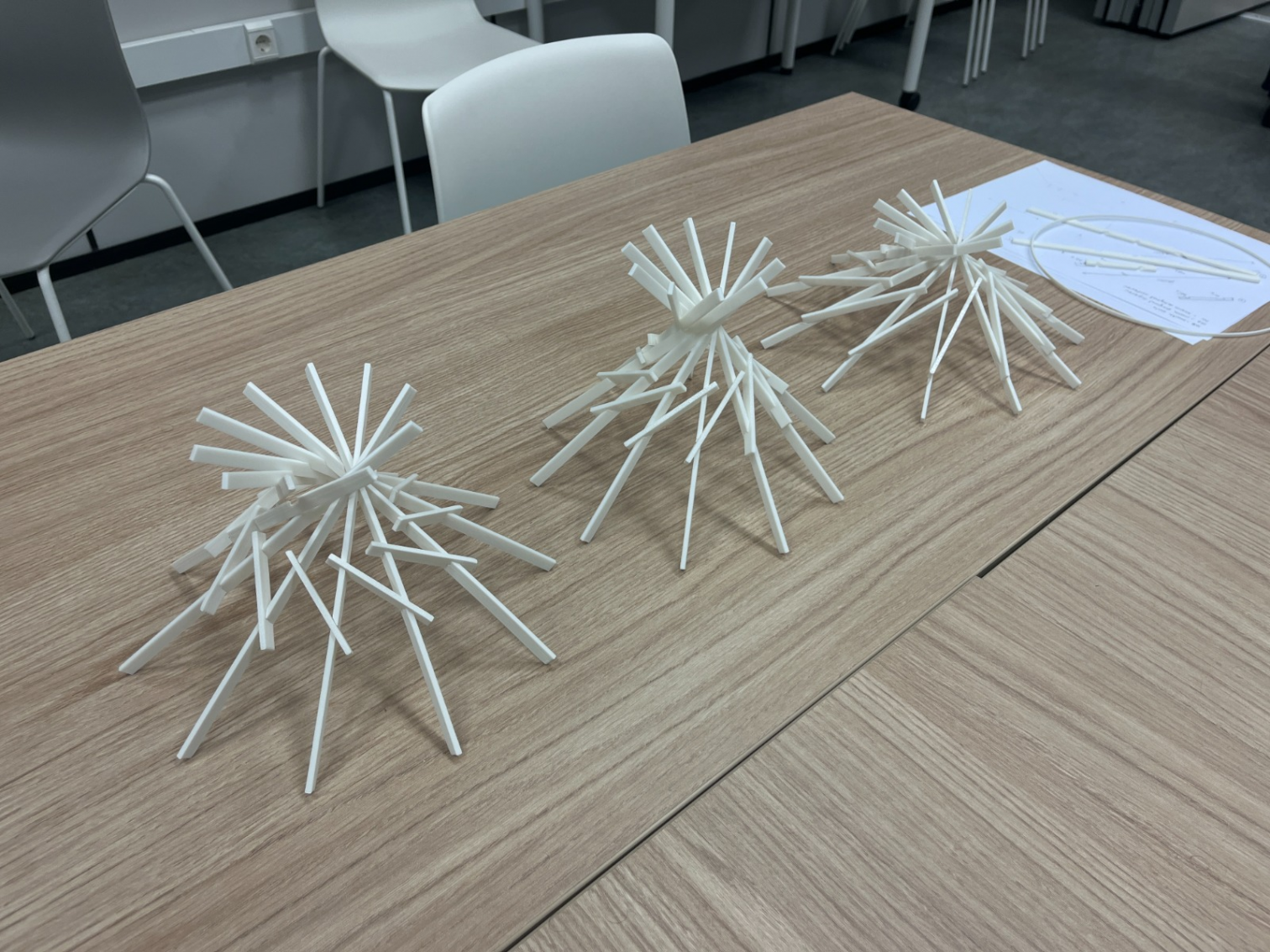
Over the course of five days, the workshop proposed a practical exercise focused on the relationship between computational design, digital fabrication and timber construction. The task consisted of developing the structural elements of a minimum housing unit, using joints formed exclusively by two meeting elements. Based on this premise, the participants worked on the connections between pieces, the behaviour of the structural elements and the translation of the digital model into physical prototypes.
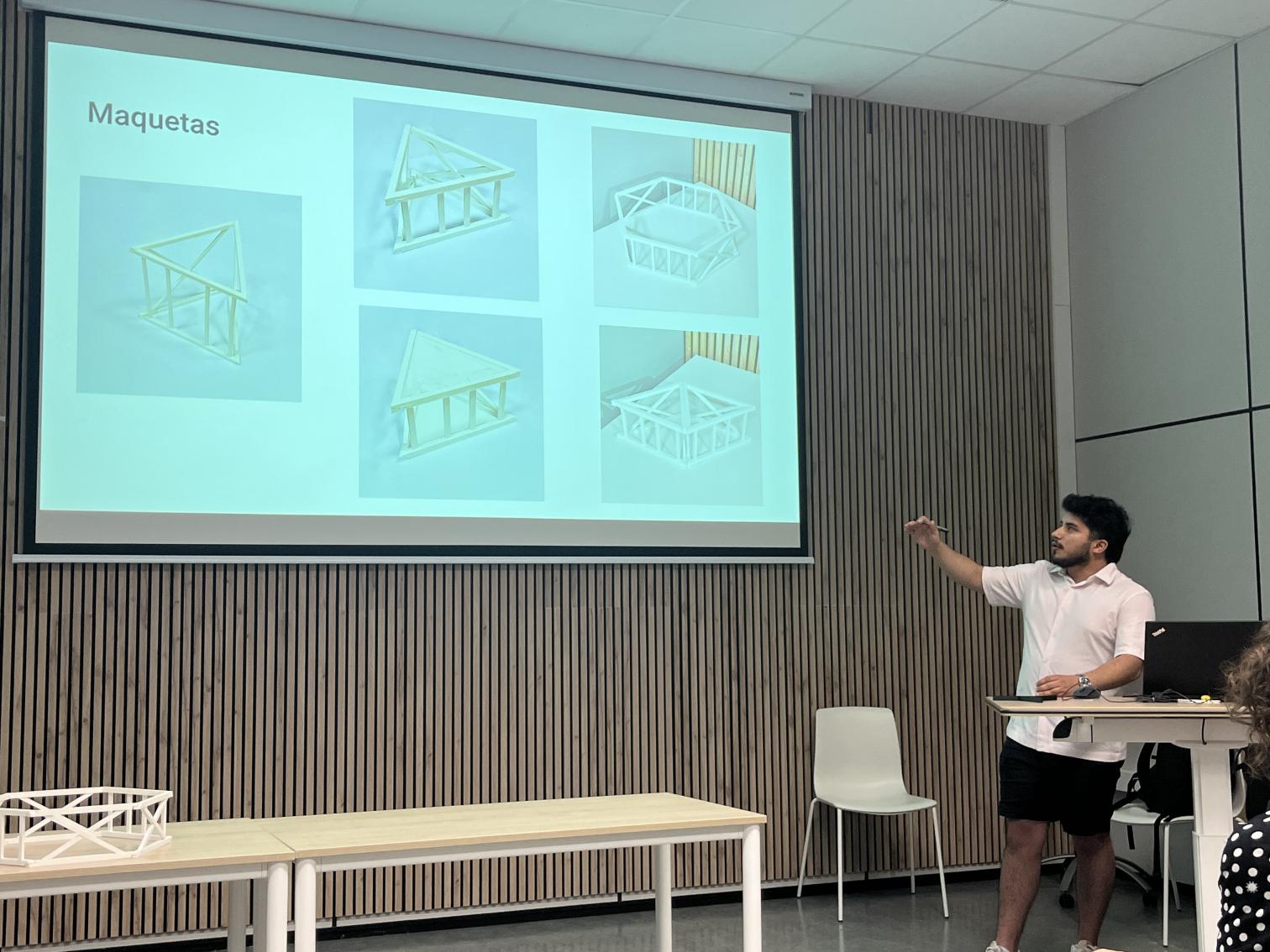
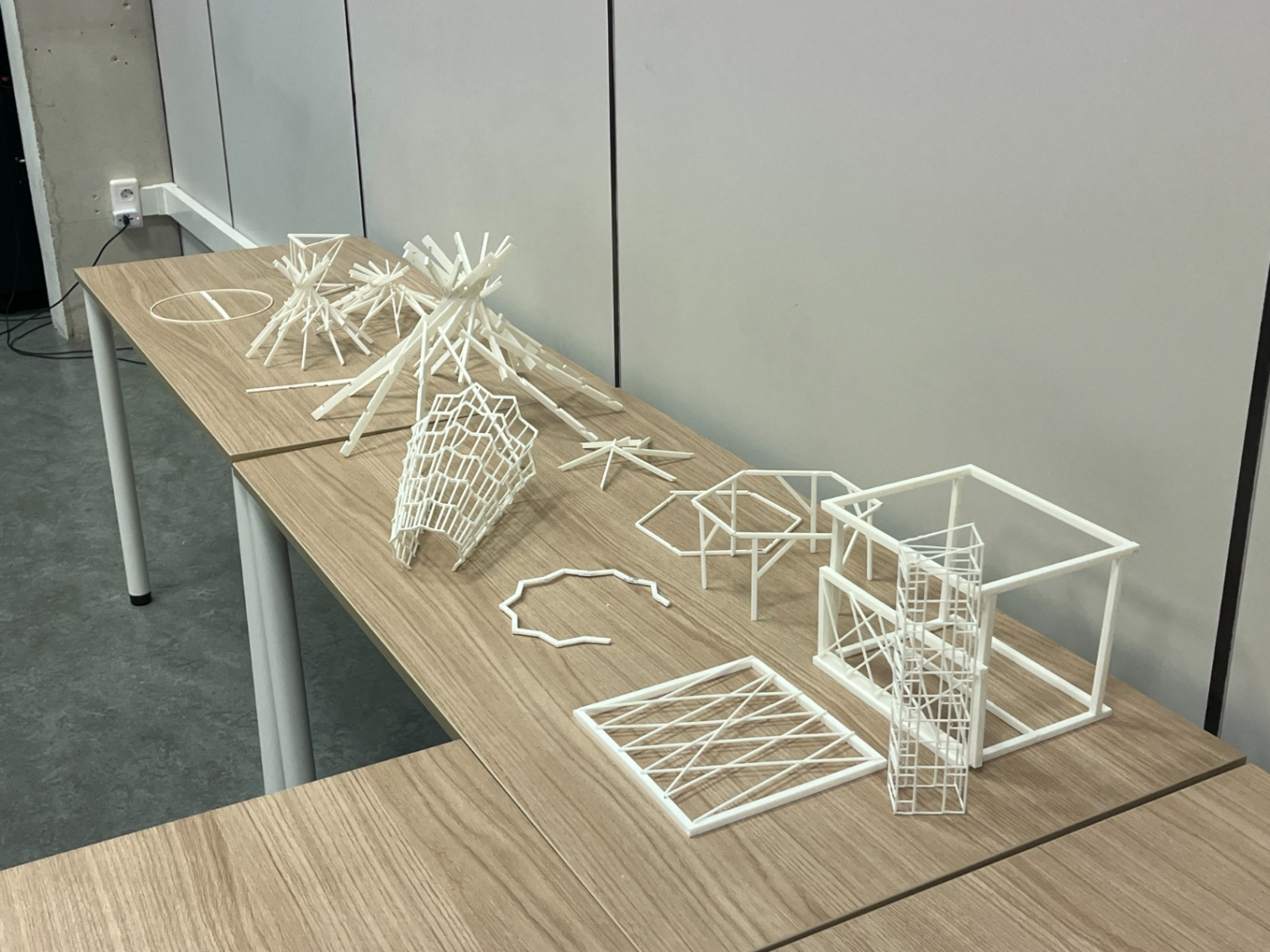
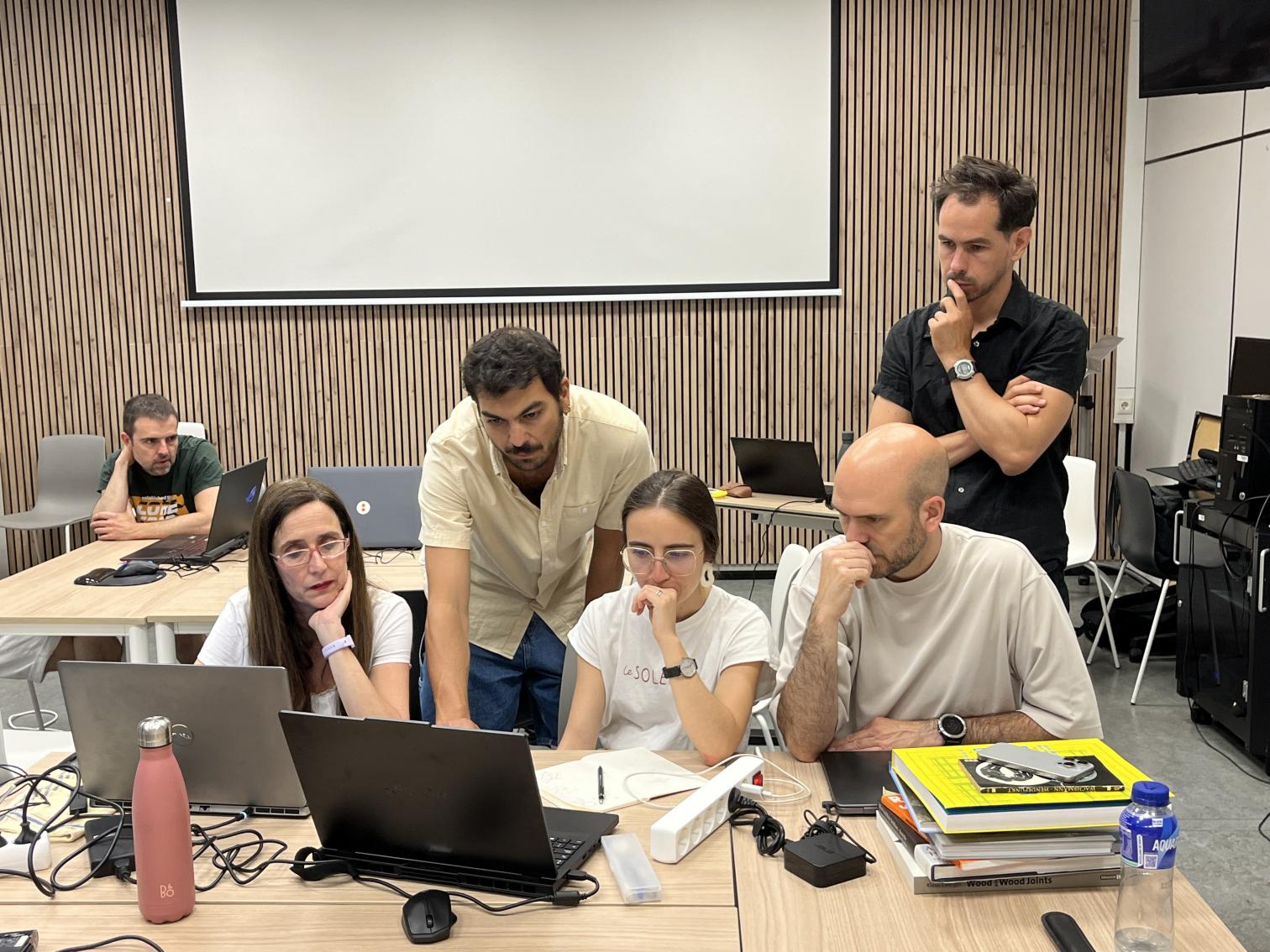
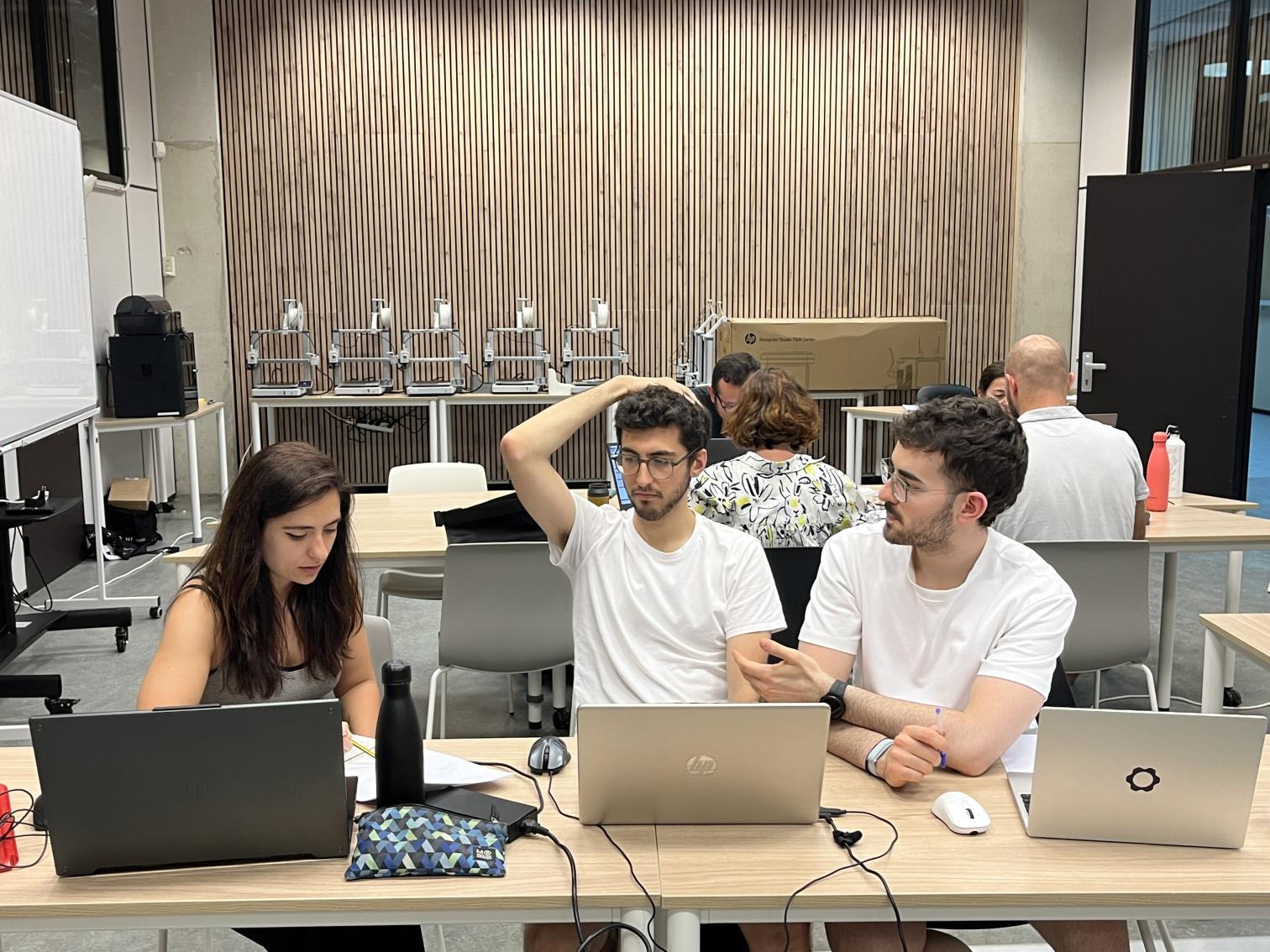
The work was organised into five groups. Each team developed its own proposal, exploring different solutions to resolve the geometry, stability and assembly of the system. Throughout the workshop, eight 3D printers were used to fabricate the structural elements and test the design decisions through physical models.
The workshop dynamic made it possible to move from parametric definition to material testing. The digital models evolved through trials, adjustments and physical verifications. The final models reflected this learning process, showing how computational design can become an active tool for thinking about construction through its rules, connections and fabrication conditions.
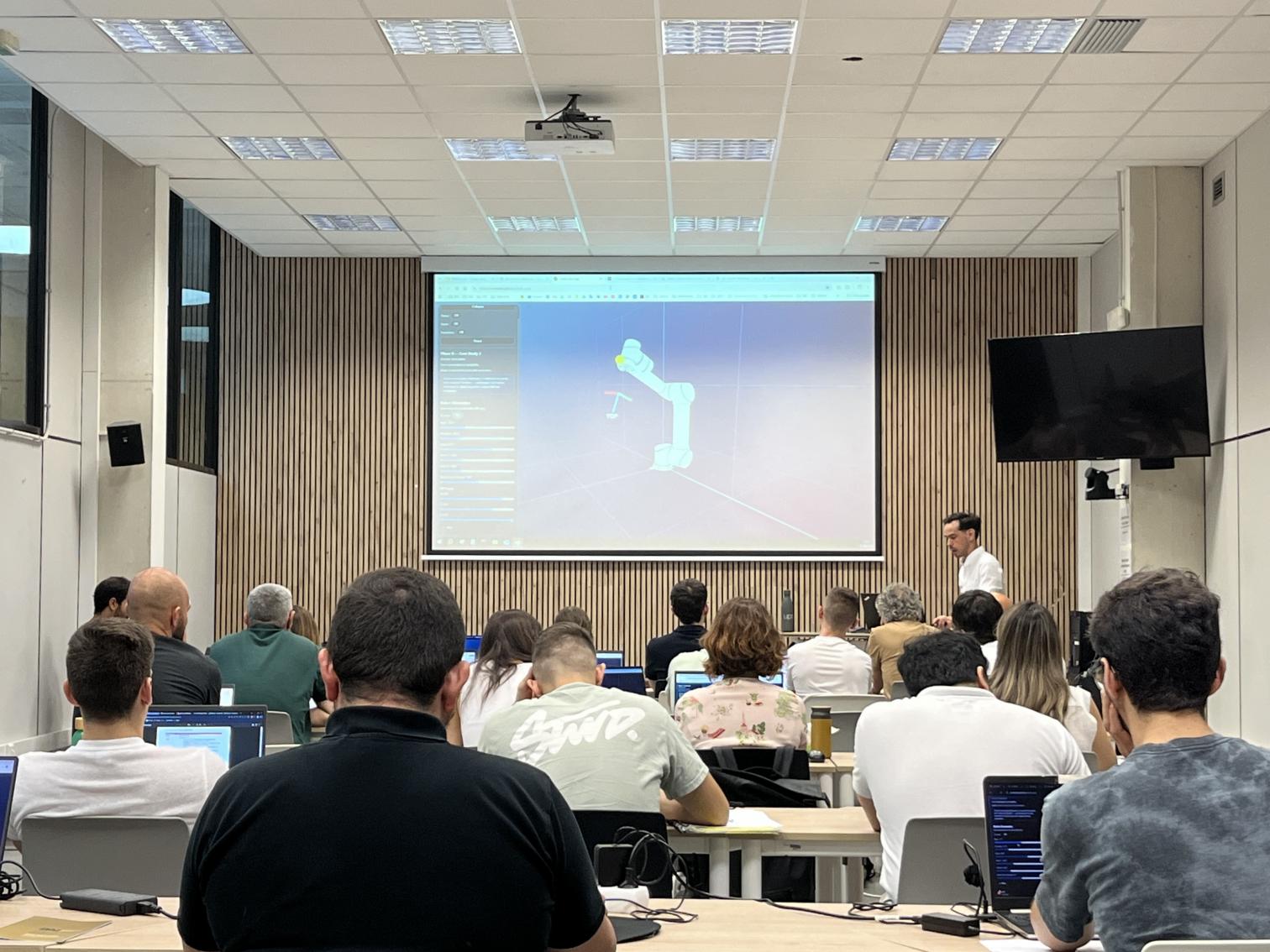
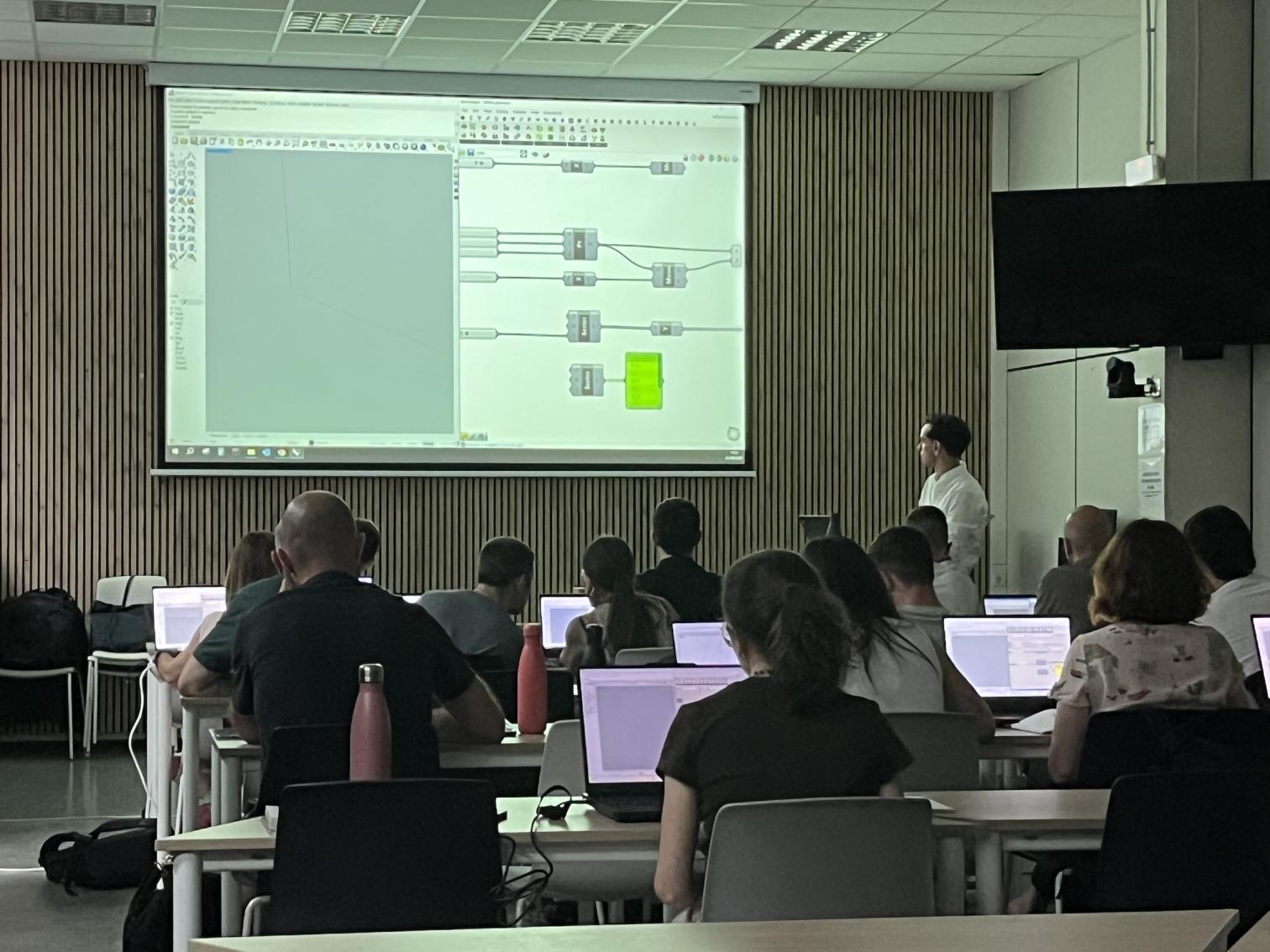
The teaching team was made up of Jesús Medina and Panayiotis Papacharalambous, who led the workshop. Medina, an architect with a Master’s degree in Architecture and Digital Fabrication from ETH Zurich, develops work linked to design, digitalisation and technology applied to architecture. Papacharalambous, an architect and researcher specialising in computational design and digital fabrication, currently collaborates with the Gramazio Kohler Research group at ETH Zurich, focusing on digital timber structures and algorithmic design.
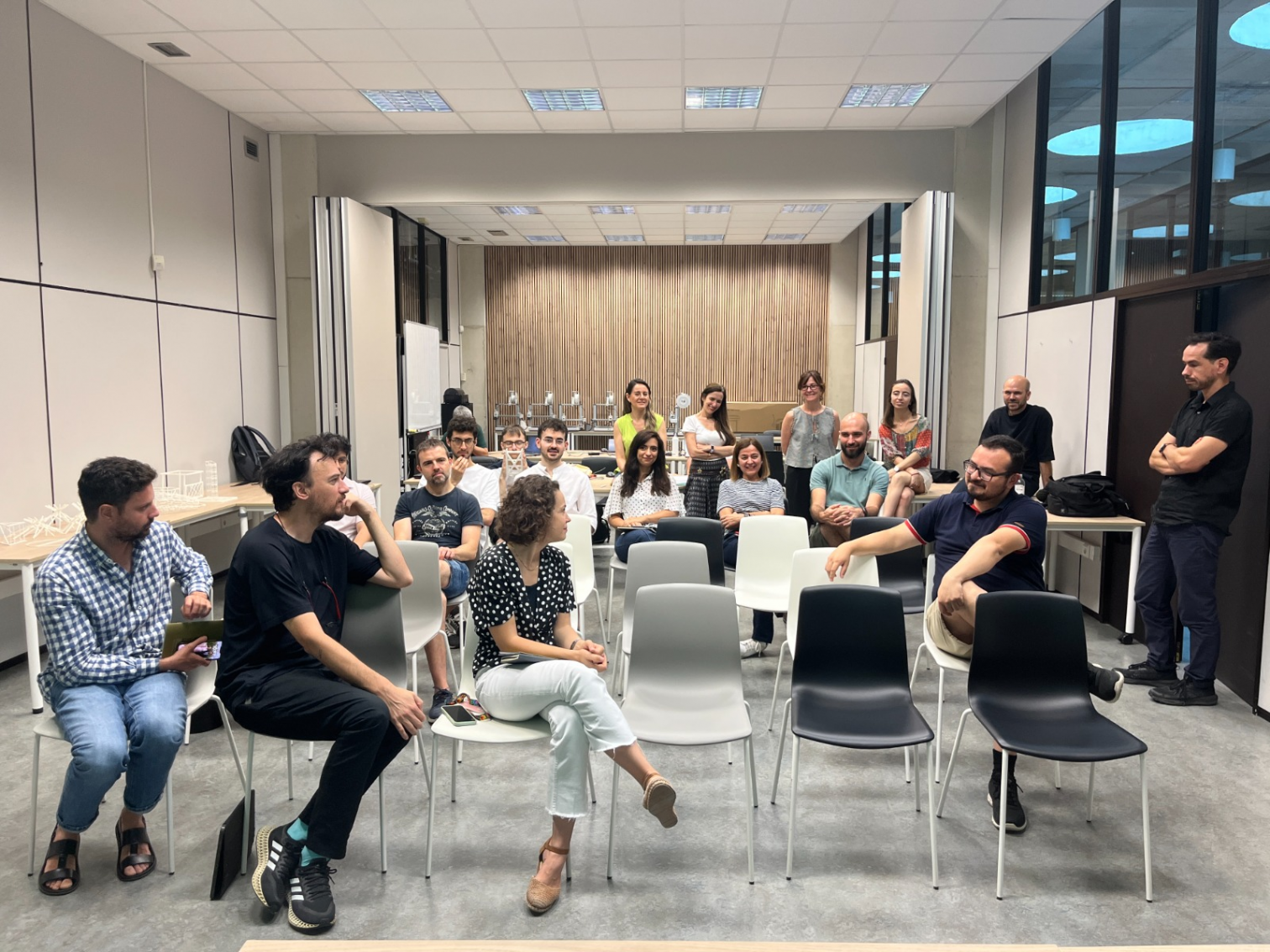
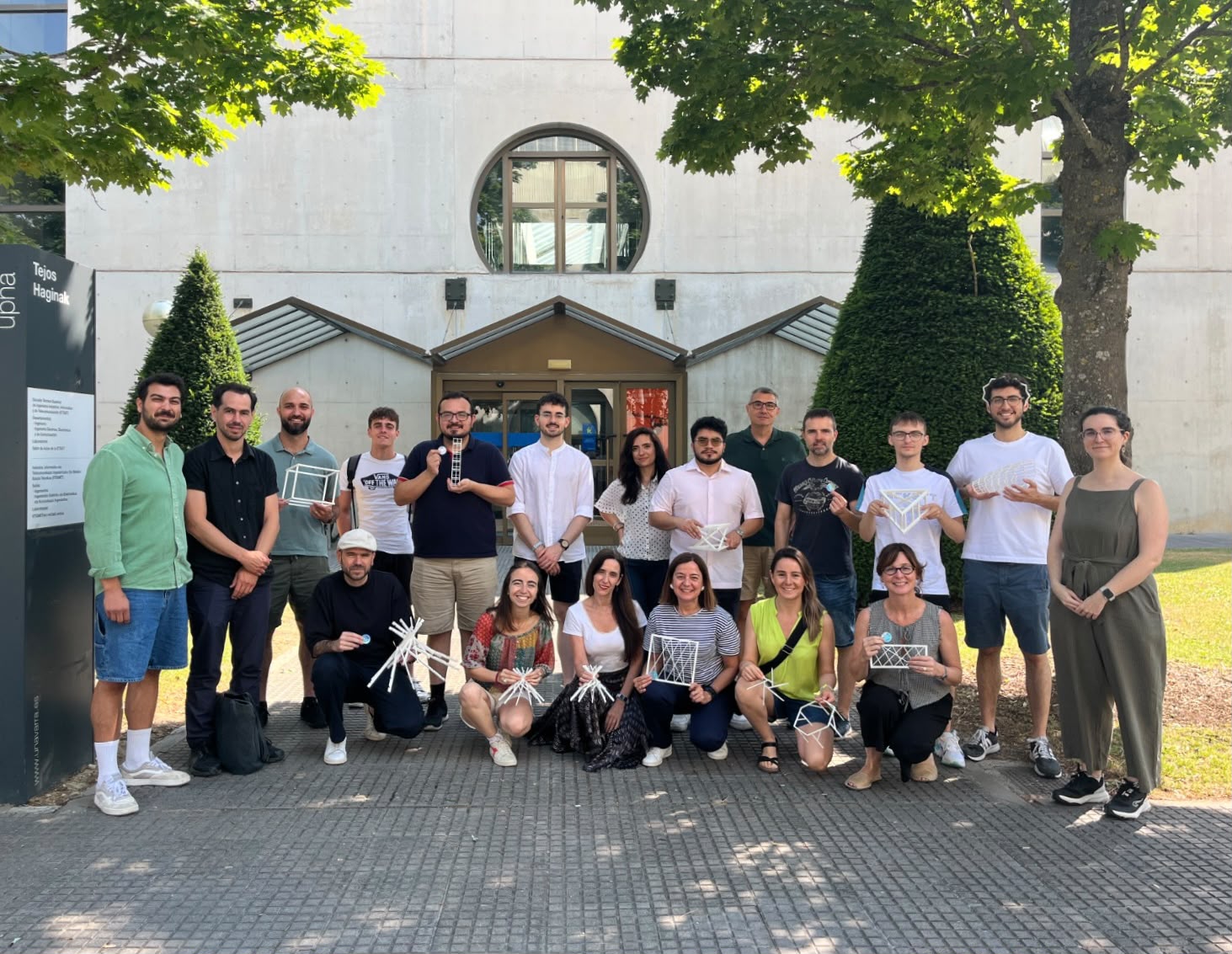
One of the most relevant features of the workshop was the diversity of participant profiles. The training brought together engineers from different fields, including Industrial Engineering and Mechanical Engineering, master’s and doctoral students from UPNA and UNAV, architects in training and working professionals. Participants also came from leading organisations and centres such as Tecnalia and Tecnun, helping to create a cross-disciplinary working environment closely connected to the reality of the sector and to the challenges posed by advanced construction.
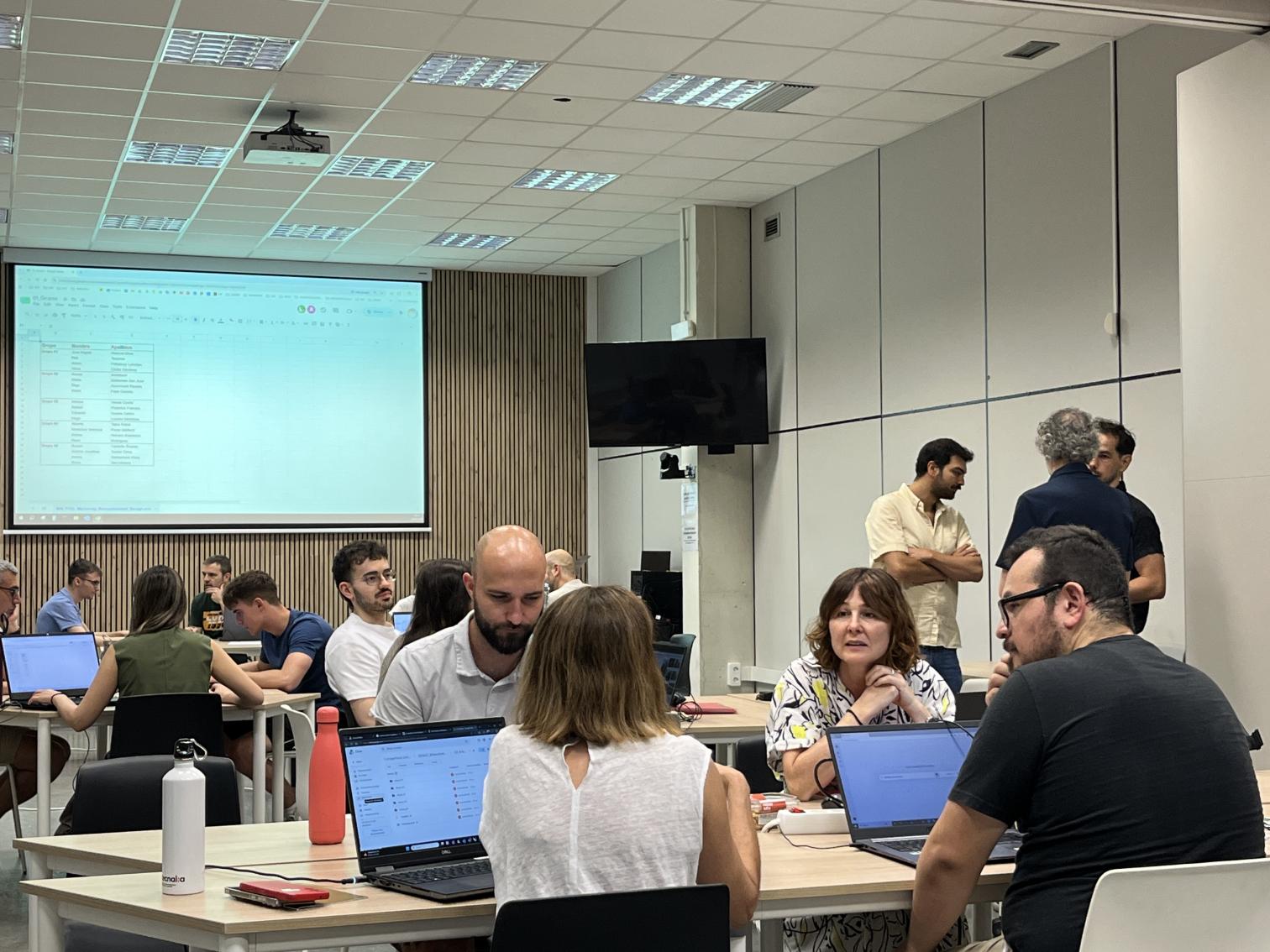
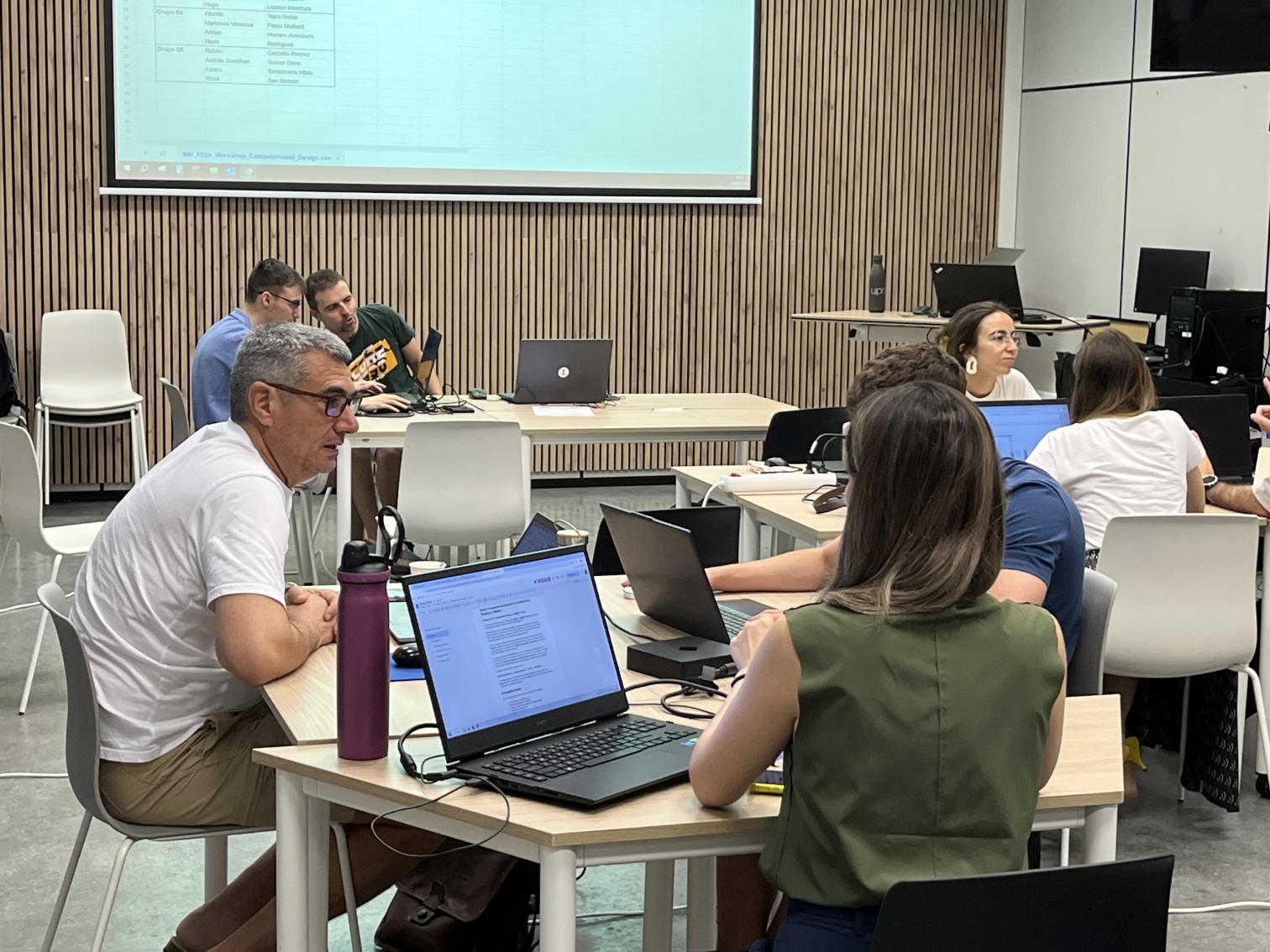
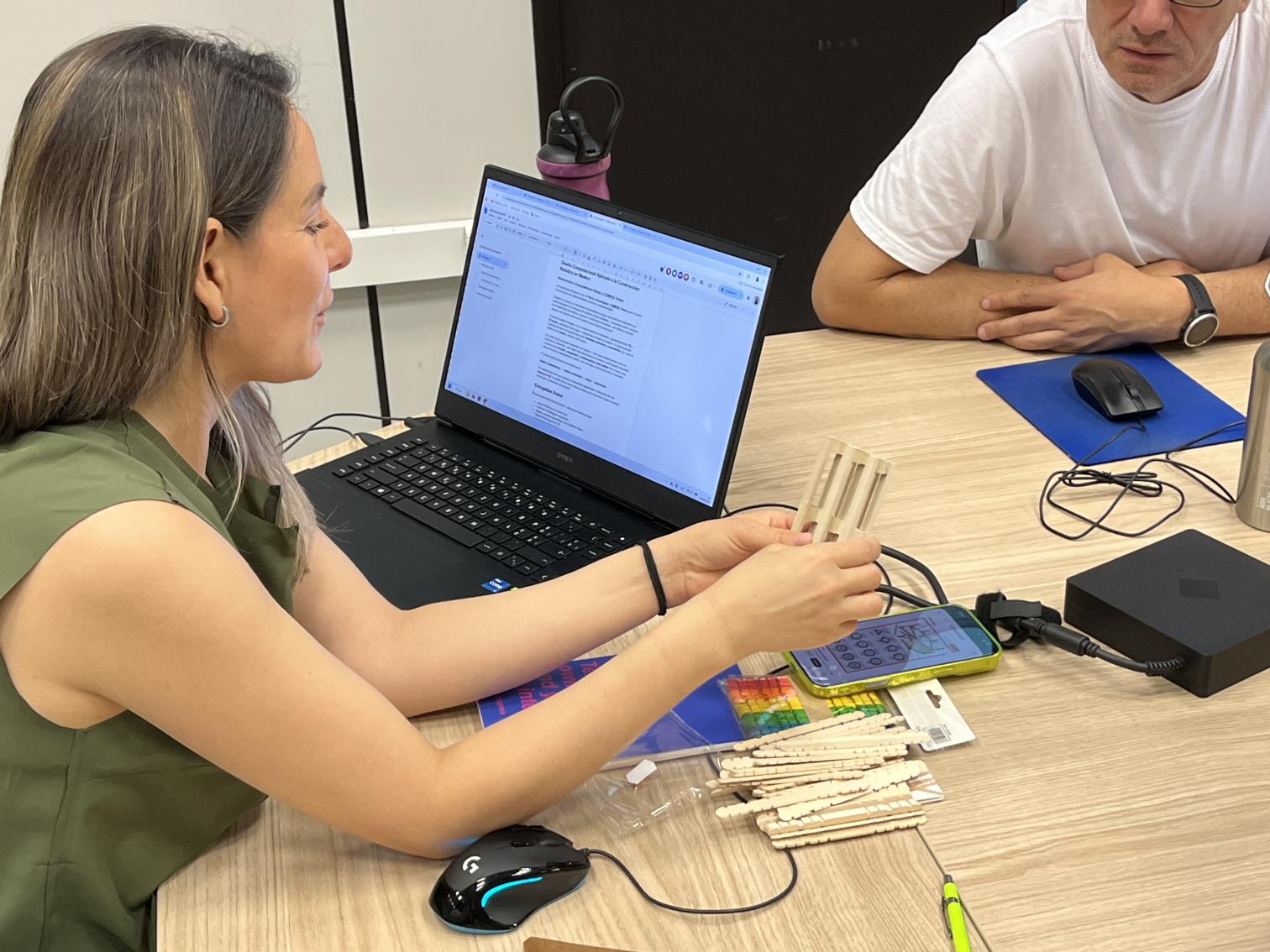
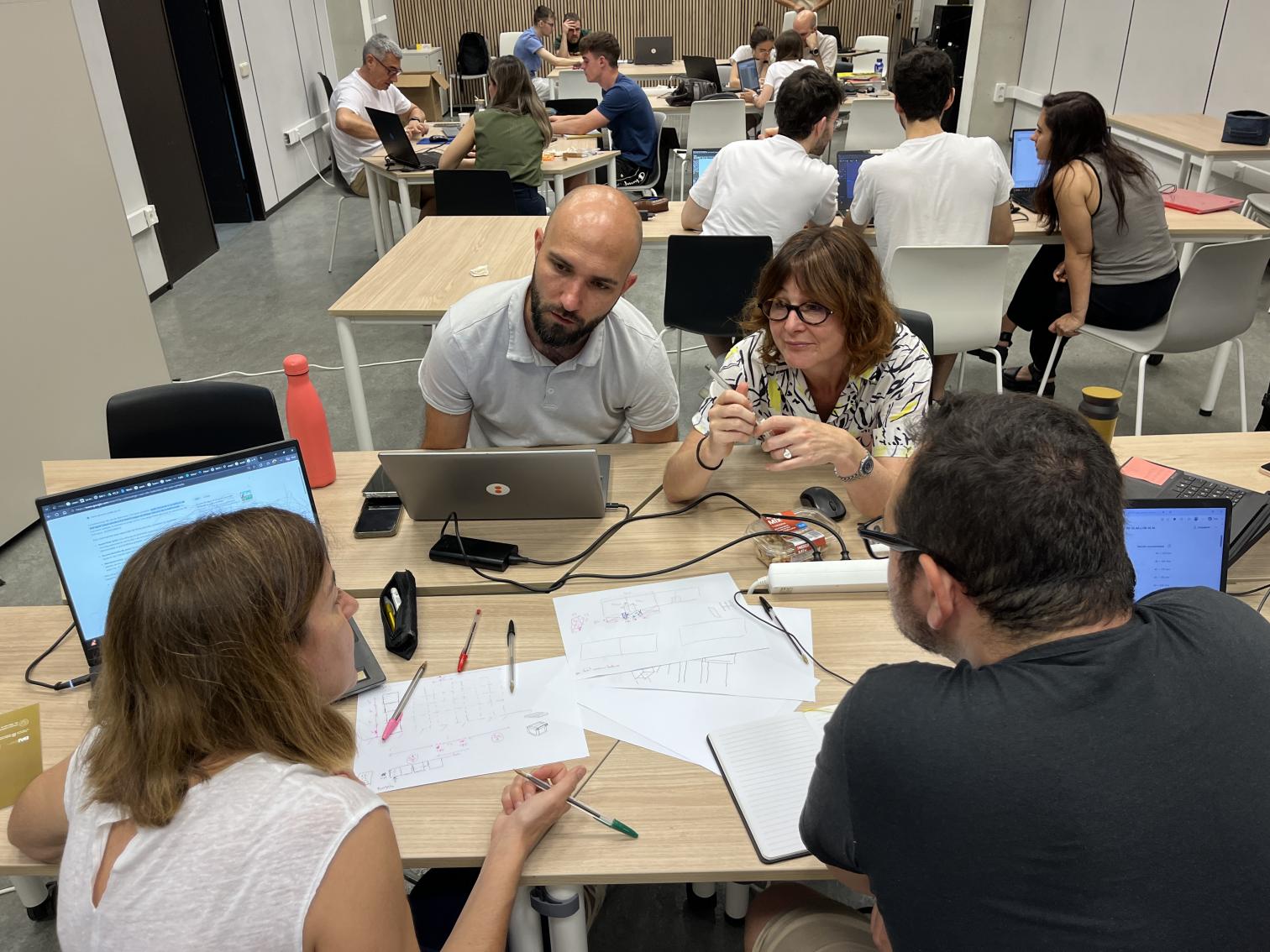
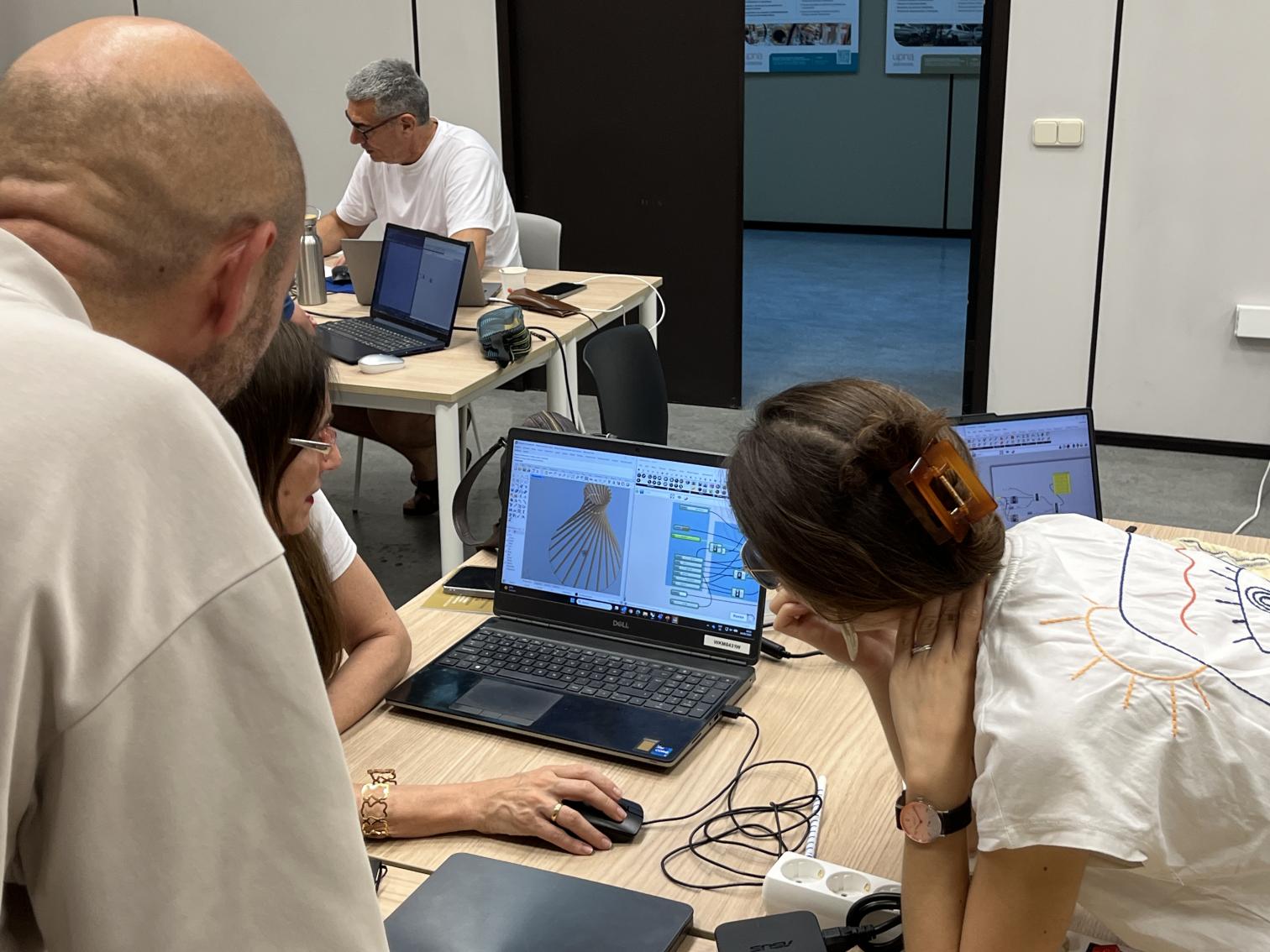
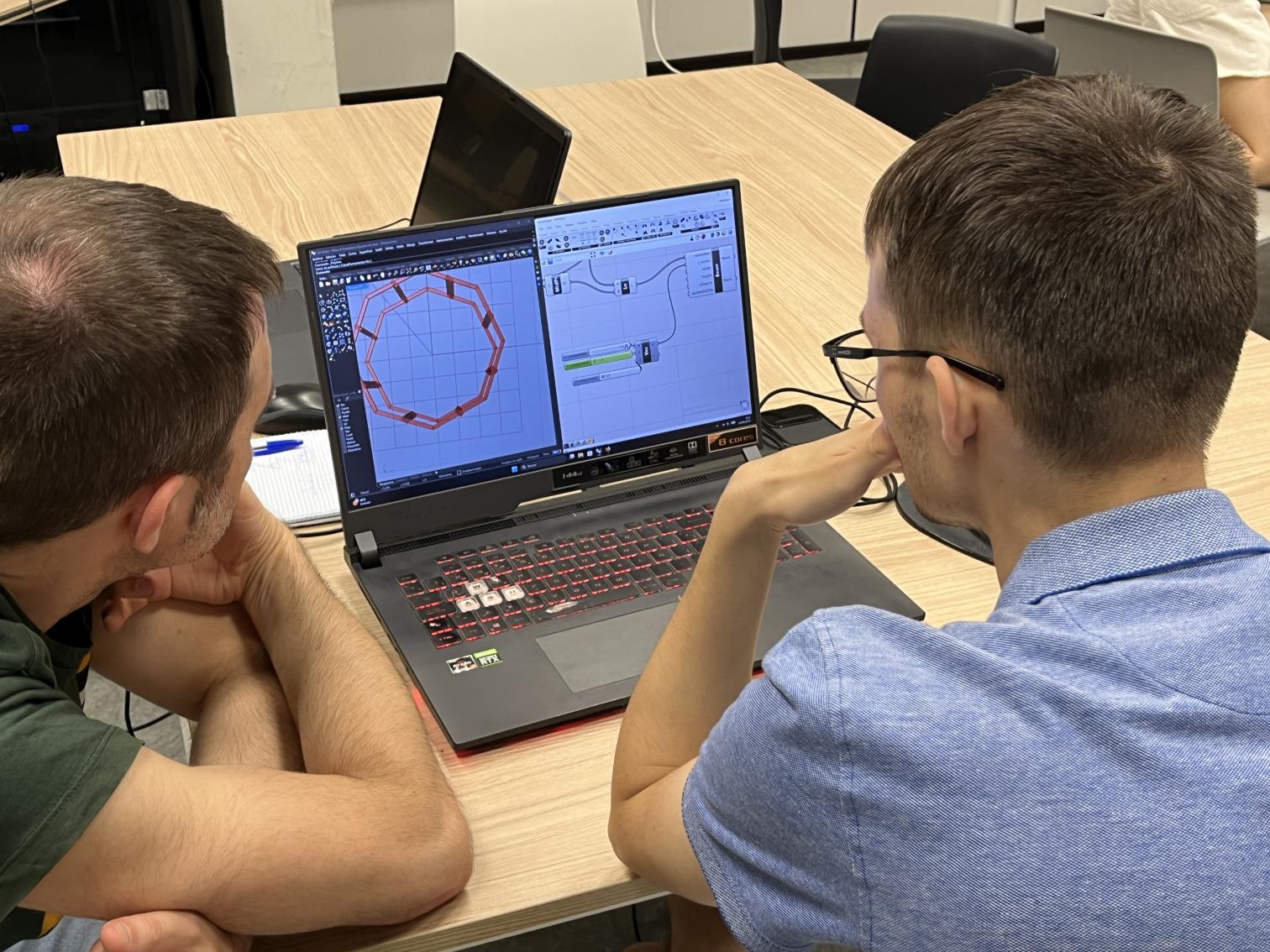
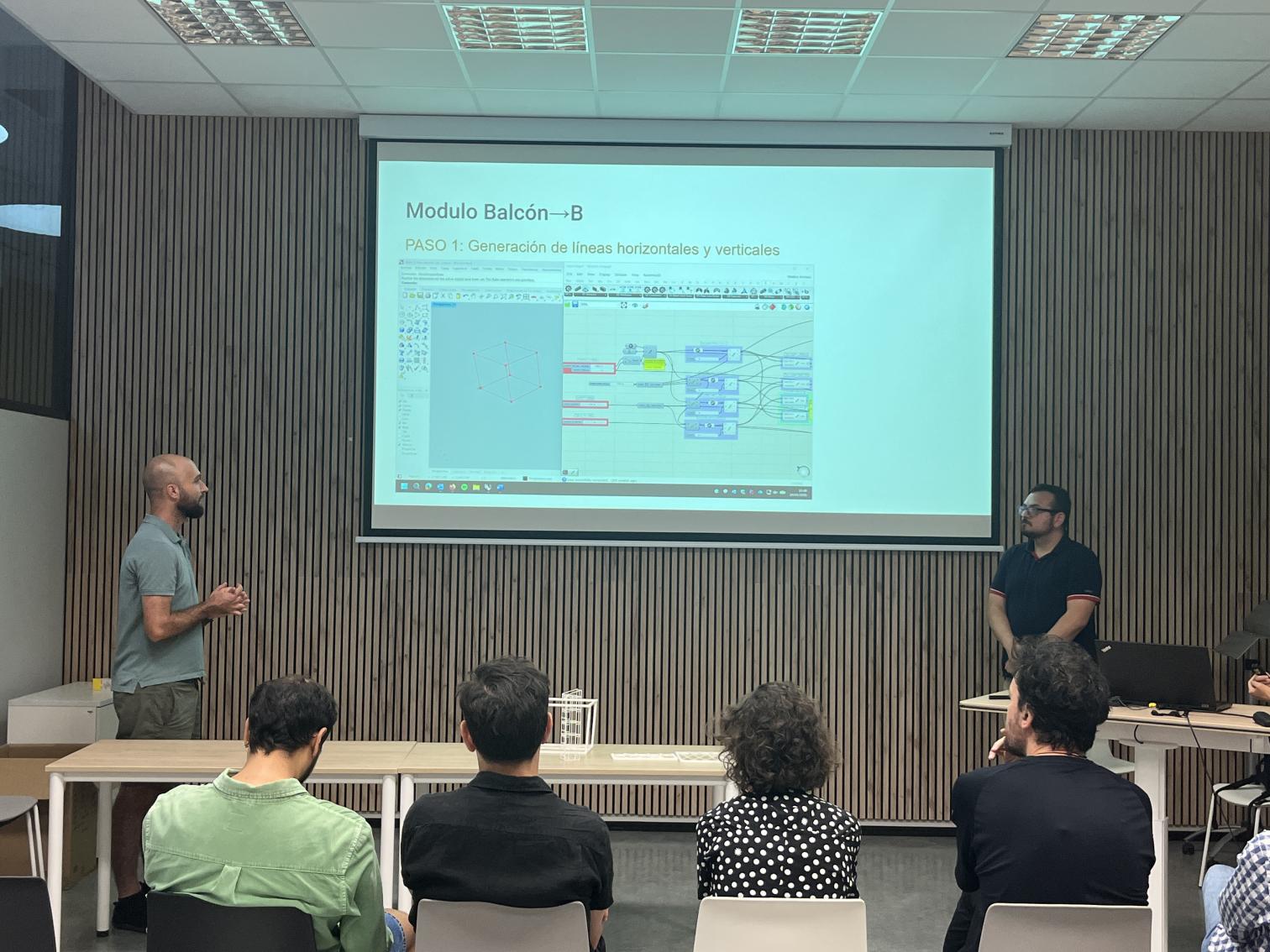
The workshop combined introductory conceptual sessions, work with digital tools and the intensive development of prototypes. Participants worked with Rhino, Grasshopper and tools linked to computational design applied to timber structures, such as COMPAS Timber.
The aim was for participants to understand computational design as a tool capable of organising information, controlling geometric relationships and guiding construction decisions. Using these resources, each group gradually adjusted its proposal until it was able to build a model that expressed the structural and construction logic of the system designed.
The workshop concluded with a final presentation of the projects before a jury made up of Fernando Alonso, Laura Carlosena and Adam Jorquera. Fernando Alonso is an architect, PhD in Architecture and Assistant Professor at the School of Architecture of the University of Navarra. Laura Carlosena is an architect, PhD in Energy Efficiency and Sustainability in Engineering and Architecture, and Associate Professor at the Public University of Navarra. Adam Jorquera is a lecturer and head of the fabrication unit at the FabLab of the School of Architecture of the University of Navarra.
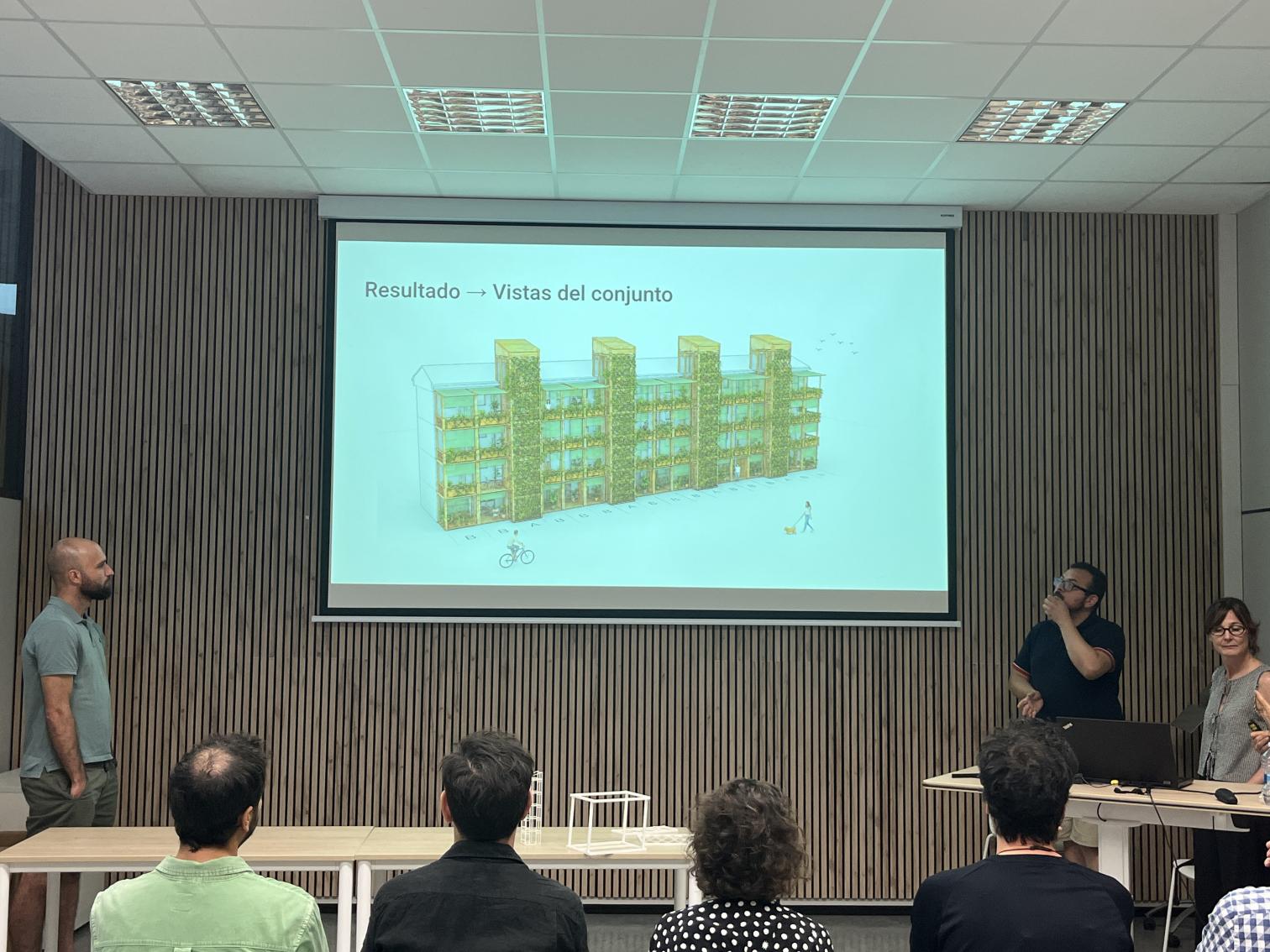
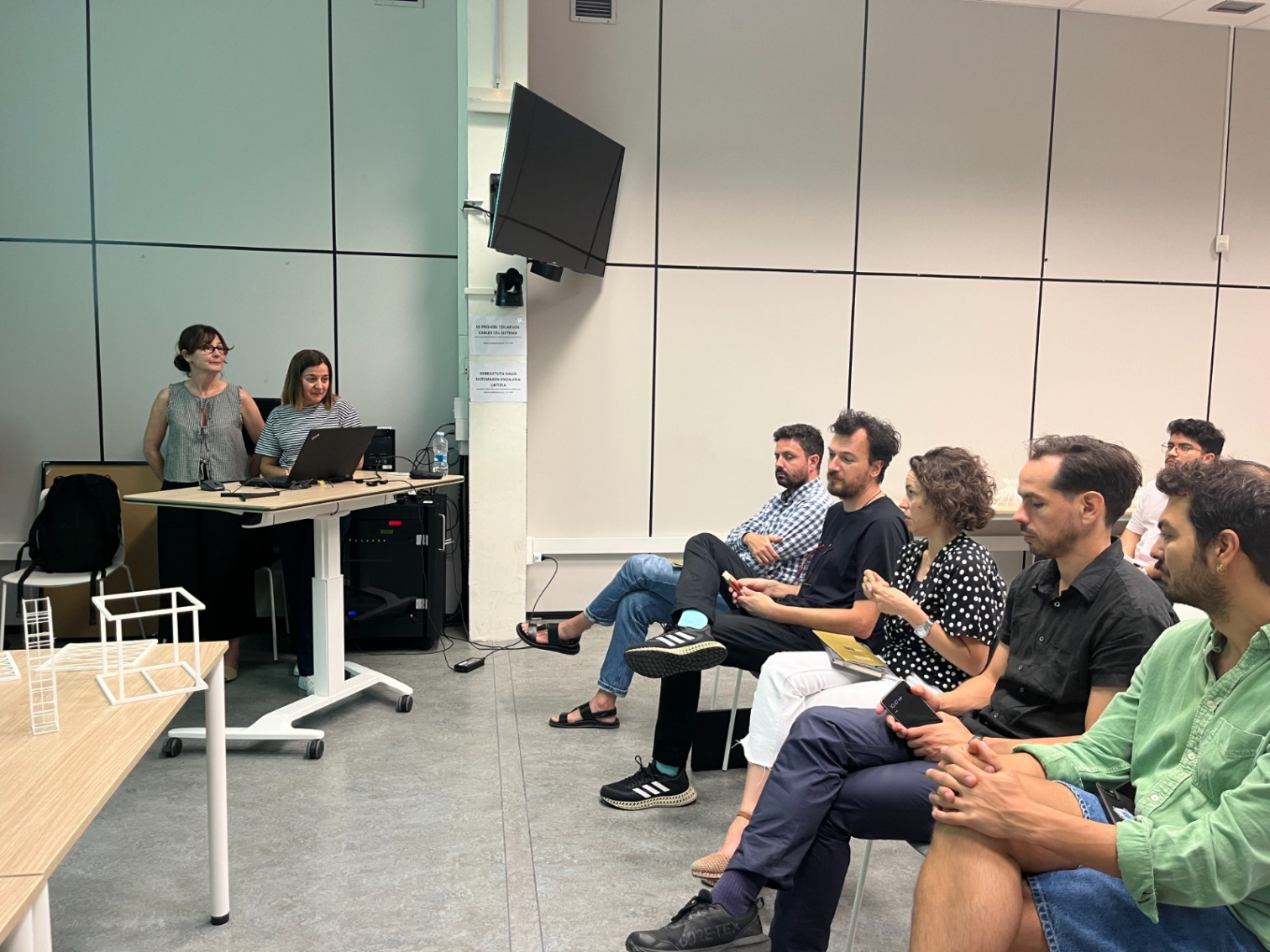
During the final session, the groups presented their proposals, explained the decisions they had made and showed the models developed throughout the week. The jury made it possible to assess the results from different academic and technical perspectives, considering the potential of each system, its construction logic and feasibility, and the clarity of the process followed.
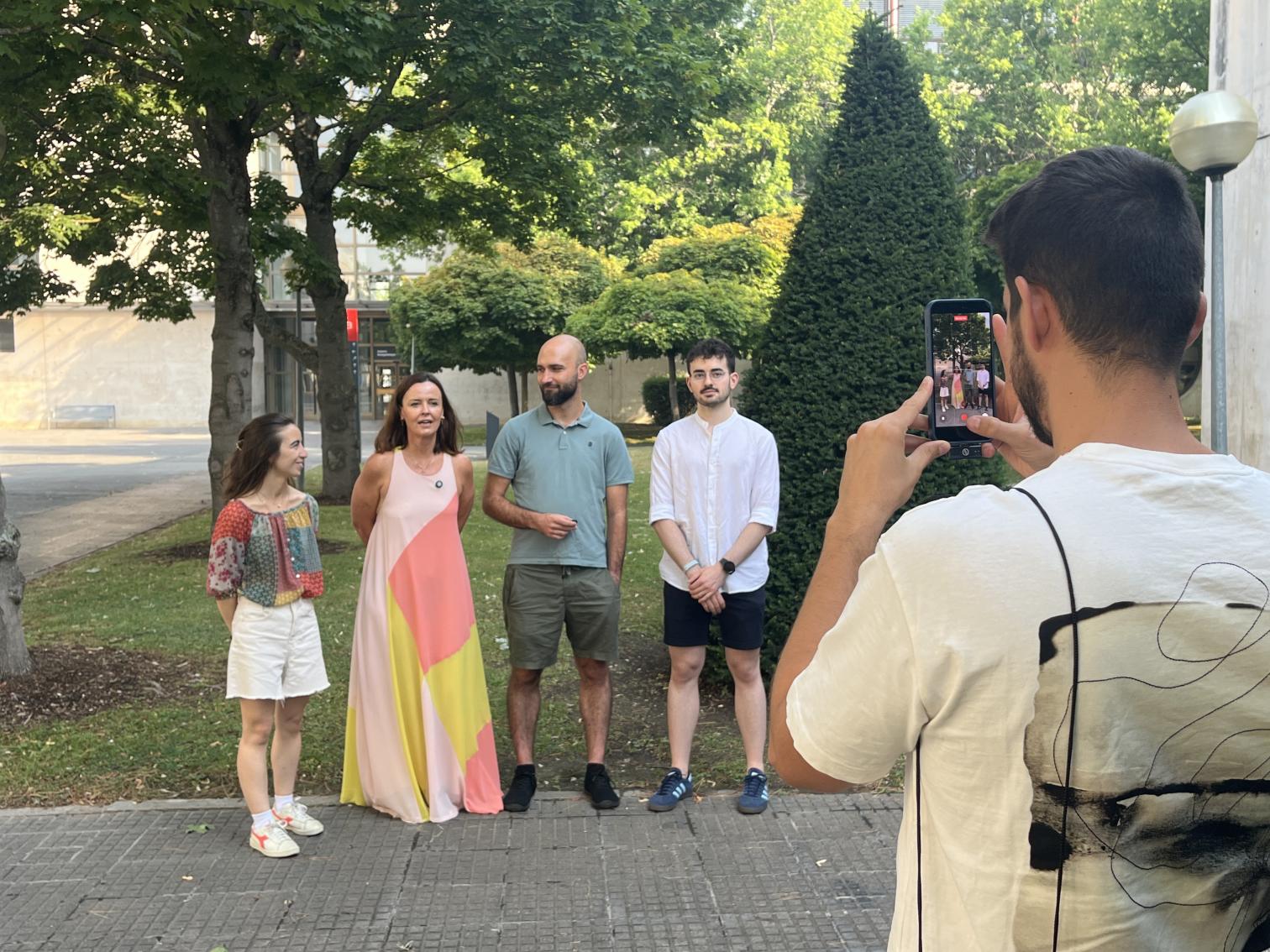
The workshop was closed by Eva Perujuániz Bermúdez, Director General for Universities of the Government of Navarra. During the final session, the Government of Navarra also recorded a short interview featuring testimonies from three participants from different backgrounds: one from the University of Navarra, another from the Public University of Navarra, and a profile linked to the business sector. This piece made it possible to gather first-hand accounts of the workshop experience and the assessment of those who took part in the process.
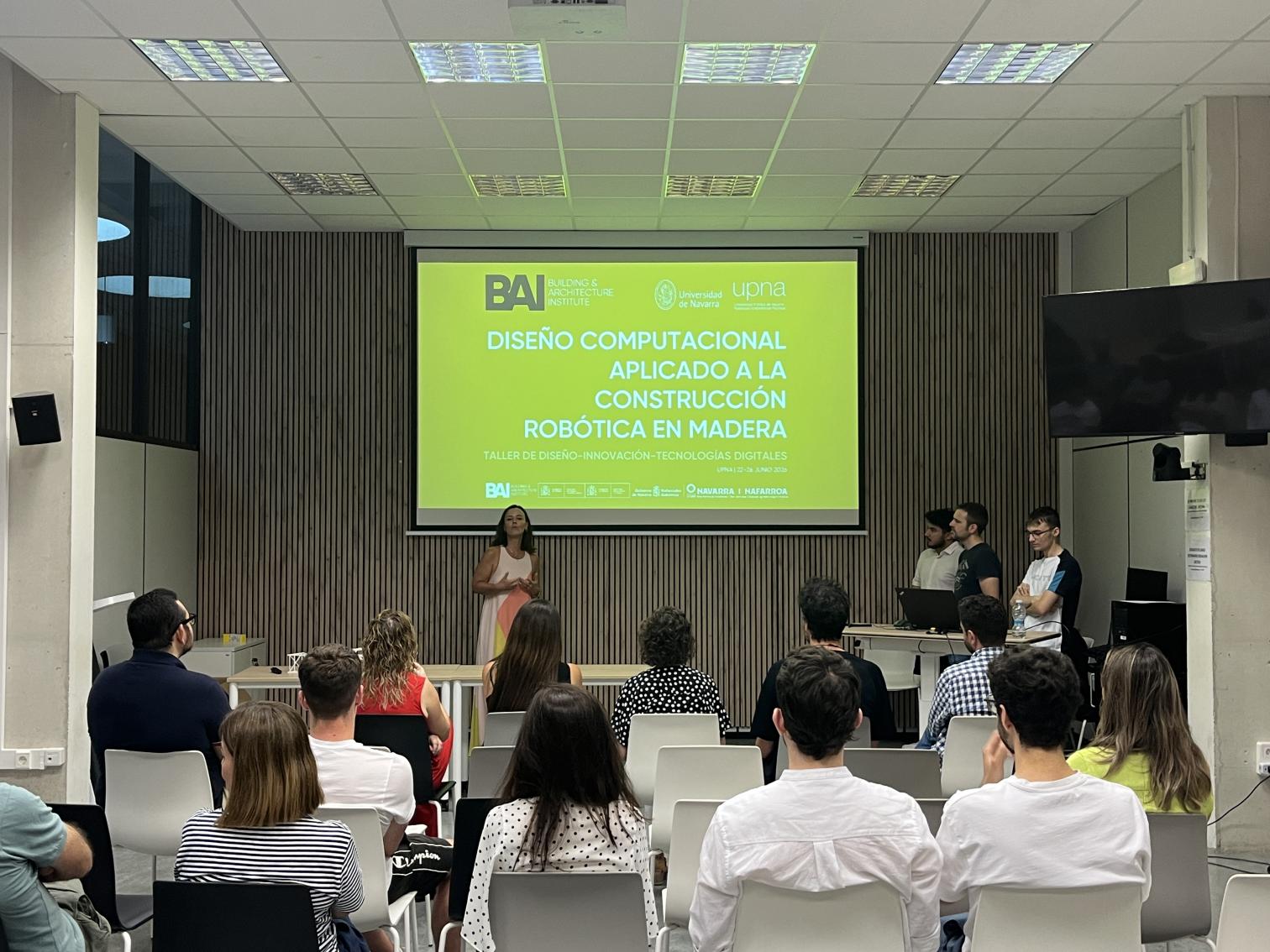
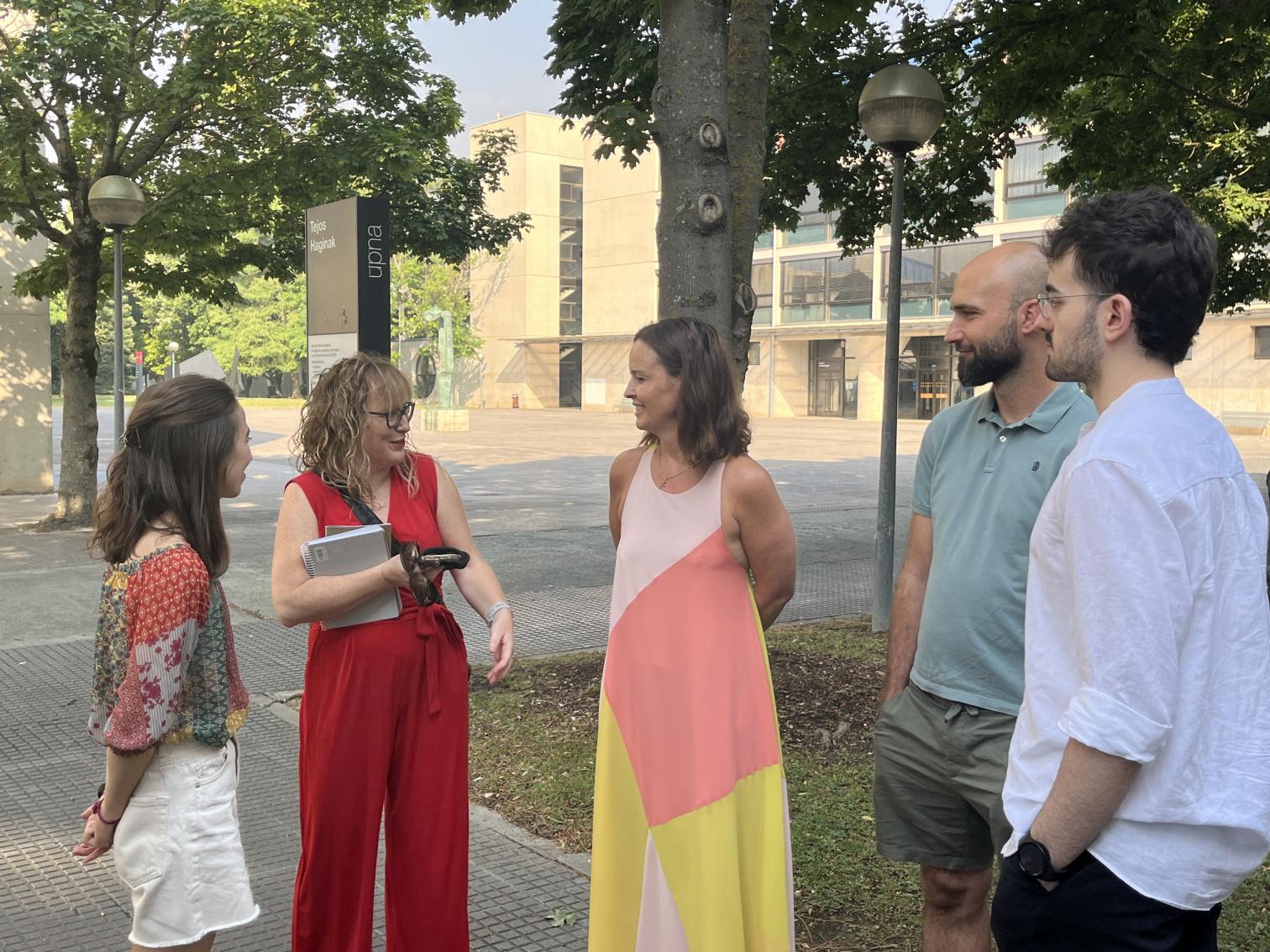
With this activity, BAI strengthens its commitment to advanced training based on experimentation, interdisciplinary work and the transfer of knowledge to the sector. The workshop brought together university, business and professional profiles around a specific exercise, in which digital design was placed at the service of an architectural and construction-related question.
The experience developed in Pamplona confirms the value of these spaces for applied learning. In them, technology is not approached as an end in itself, but as a tool for thinking more clearly about systems, testing solutions and building a more precise relationship between design, material and fabrication.