
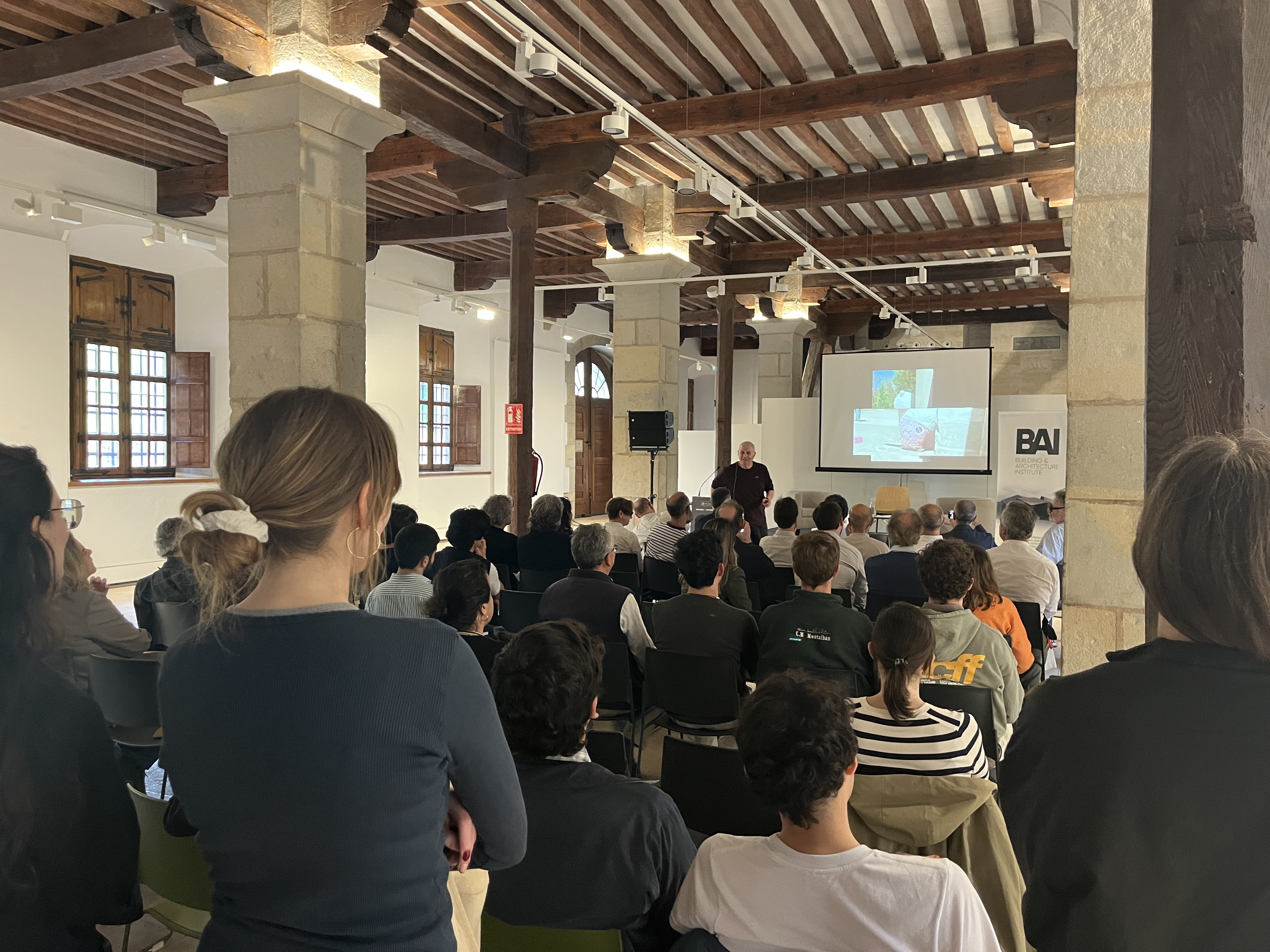
Marc Angélil leads the second session of FORO BAI 2026 with an urgent call to rethink sustainability in architecture
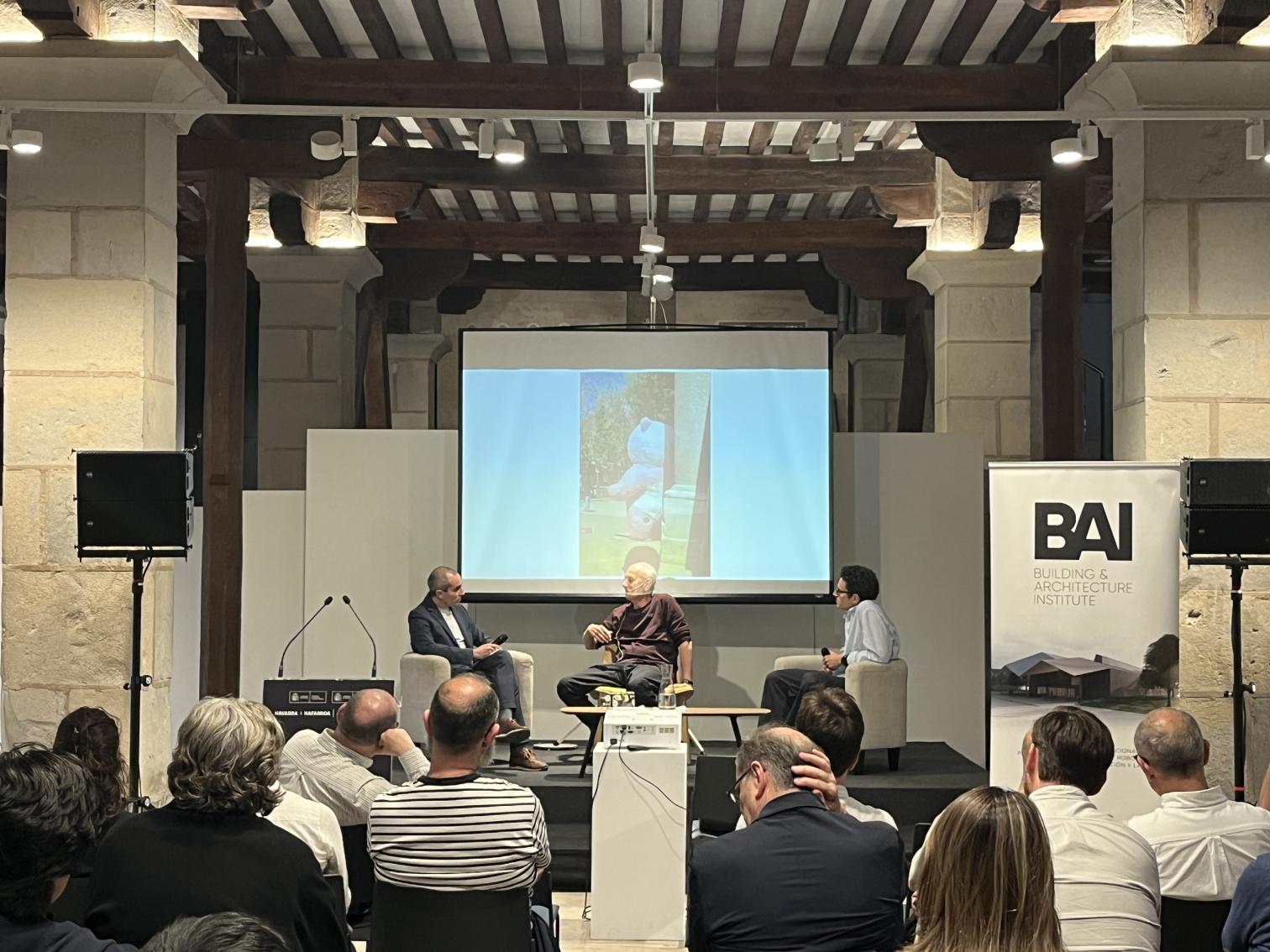
Photo: Patricia Minguito
FORO BAI 2026 held its second session in Pamplona with the participation of Marc Angélil, architect, researcher, and Professor Emeritus at ETH Zurich, in a lecture focused on the relationship between architecture, technology, sustainability, and climate. Under the title *“HVAC + W&S + E&IT. High Tech, Lean Tech, Low Tech, Slow Tech, No Tech,”* the session took place on April 30, 2026, at the Armory Hall of the Citadel and aligned with one of the central themes of the series: understanding innovation not only as technical progress, but also as a tool for balance, responsibility, and disciplinary transformation.
The event was introduced by Patricia Minguito, Academic Coordinator of BAI, who framed the lecture within the broader purpose of FORO BAI as a space for reflection, dialogue, and debate on the major contemporary challenges of architecture, construction, the city, technology, and culture. Her intervention positioned the session within the institute’s commitment to articulating thought, education, and innovation in an open and rigorous public conversation.
Through a critical and cross-disciplinary perspective, Angélil reflected on how architecture can respond to environmental, energy, and productive challenges. During his lecture, he presented three projects developed between 1995 and 2022, using them to trace the evolution of his thinking on sustainability and to highlight the extent to which architectural practice must now reconsider its tools, systems, and decision-making frameworks. As he noted, whereas sustainability could once be approached through trial and error, today’s context demands a far more rigorous and conscious response.
One of the central themes of the lecture was a critique of the mechanical systems that have progressively dominated contemporary buildings, as well as the need to move beyond superficial responses to the climate crisis. In this context, Angélil emphasized the importance of combining active and passive energy strategies with greater intelligence and responsibility, revisiting the idea that form should follow climate and remain closely tied to the material and environmental conditions that make it possible. The session also produced one of the most striking statements of the series so far: in the current climate context, architects no longer have time to fail in matters of sustainability.
The lecture was followed by a roundtable discussion that expanded the reflection through complementary perspectives. Alongside Marc Angélil, César Martín-Gómez and Fernando Veiga—architect and professor at the University of Navarra, and engineer and professor at the Public University of Navarra, respectively—contributed to the debate. Martín-Gómez offered insights related to architecture, building systems, and environmental performance, while Veiga introduced a technical and engineering perspective focused on processes, systems, and efficiency. The discussion extended the themes raised in the lecture and underscored the need to address architectural sustainability through a transversal approach, shared across architecture, engineering, technology, and public responsibility, with contributions also from students and professionals in attendance.
With this second lecture, FORO BAI reaffirms its ambition to consolidate itself as a space for thought, debate, and public conversation around the major contemporary challenges of architecture, construction, and culture. Marc Angélil’s participation notably strengthened the critical and environmental dimension of the series, placing at the center of the discussion the urgency of rethinking the role of architecture in a context shaped by climate, technological, and urban transformation.
Activity subsidized by Lidera and the Navarre Employment Service – Nafar Lansare.
More info: navarracapital.es
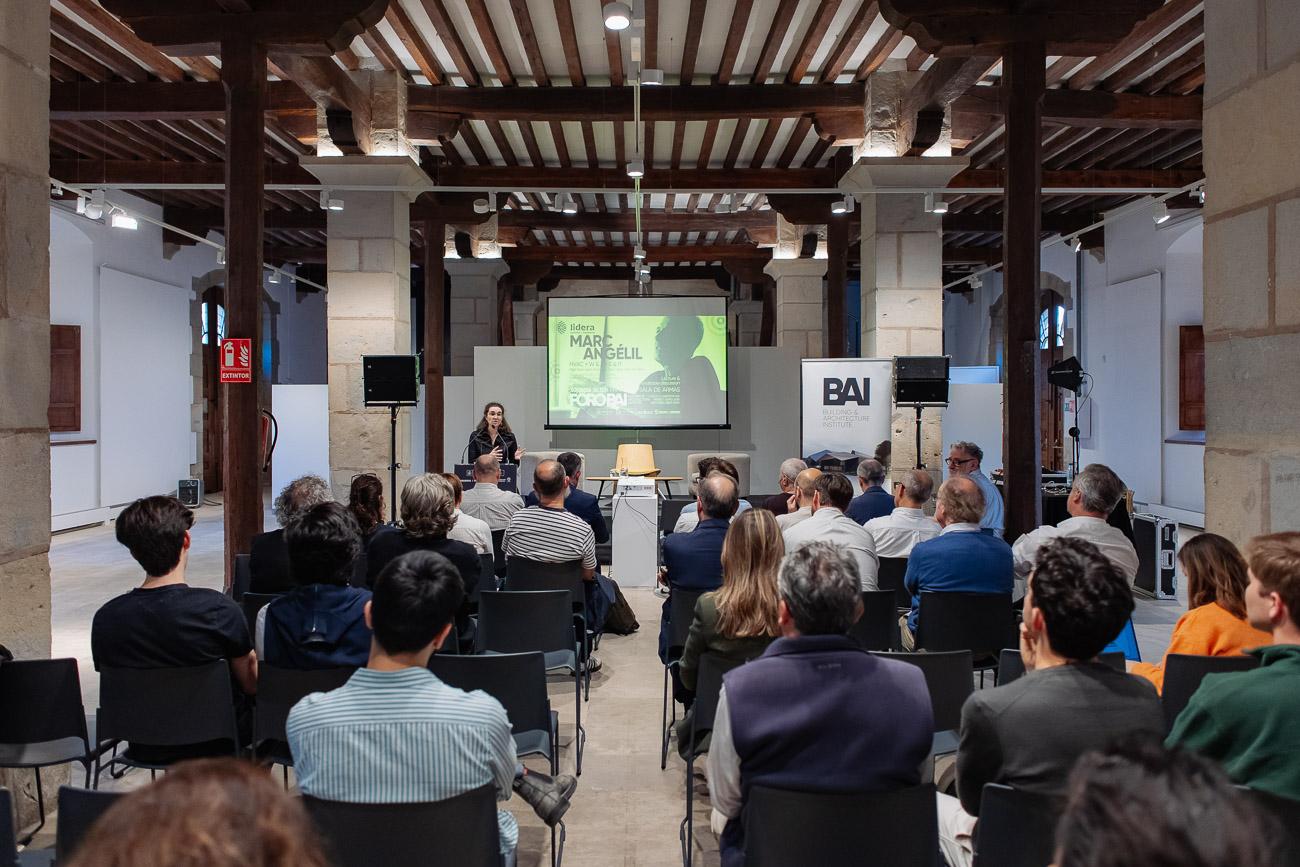
Photo: Nekane Bariain
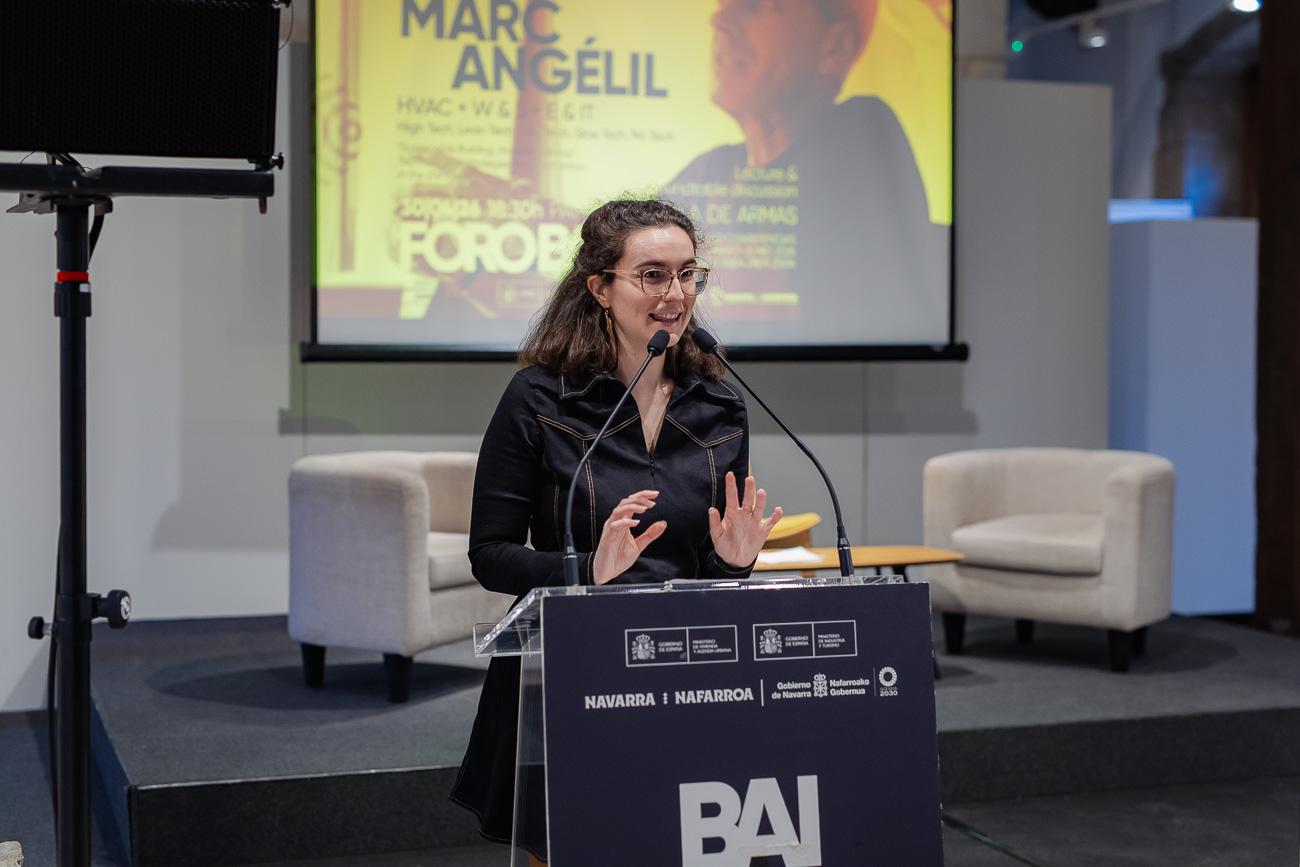
Photo: Nekane Bariain
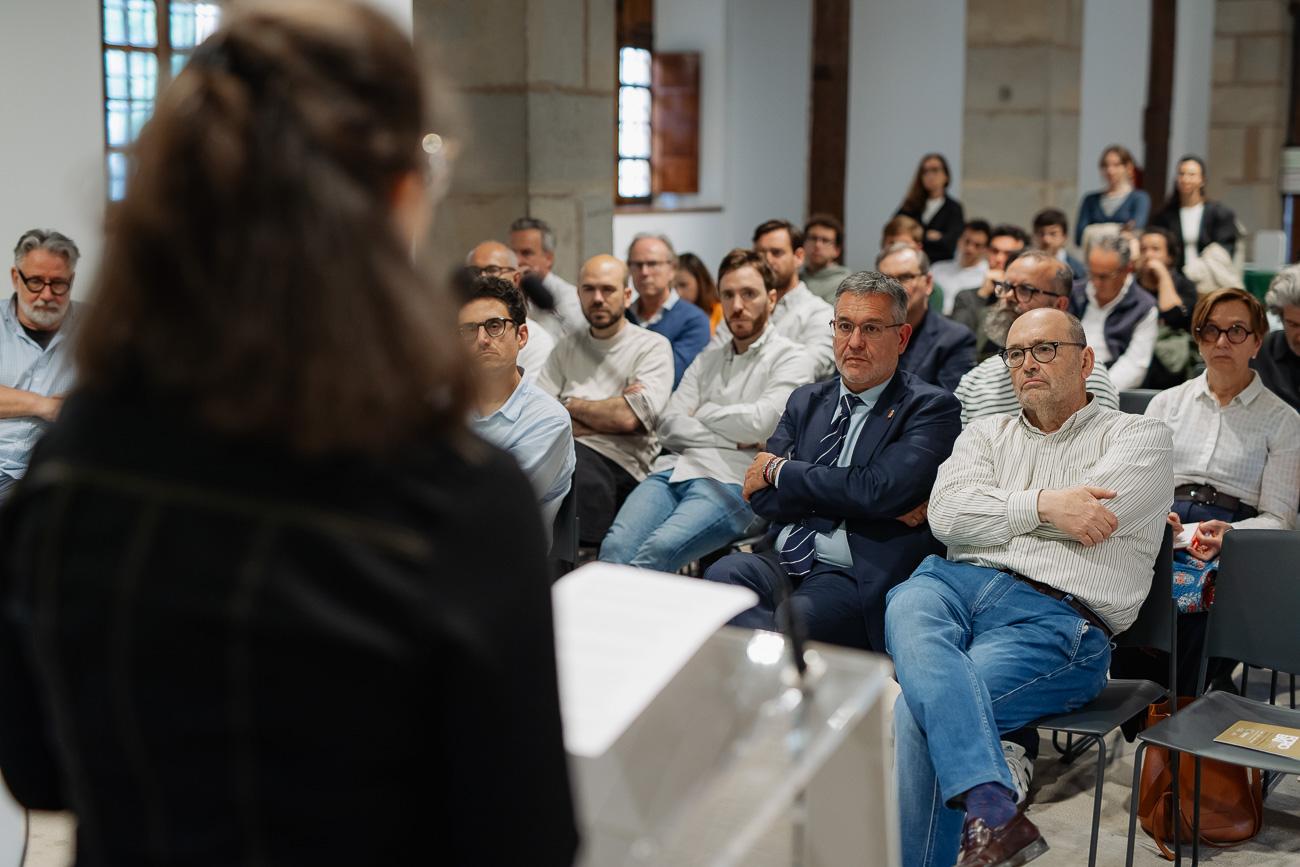
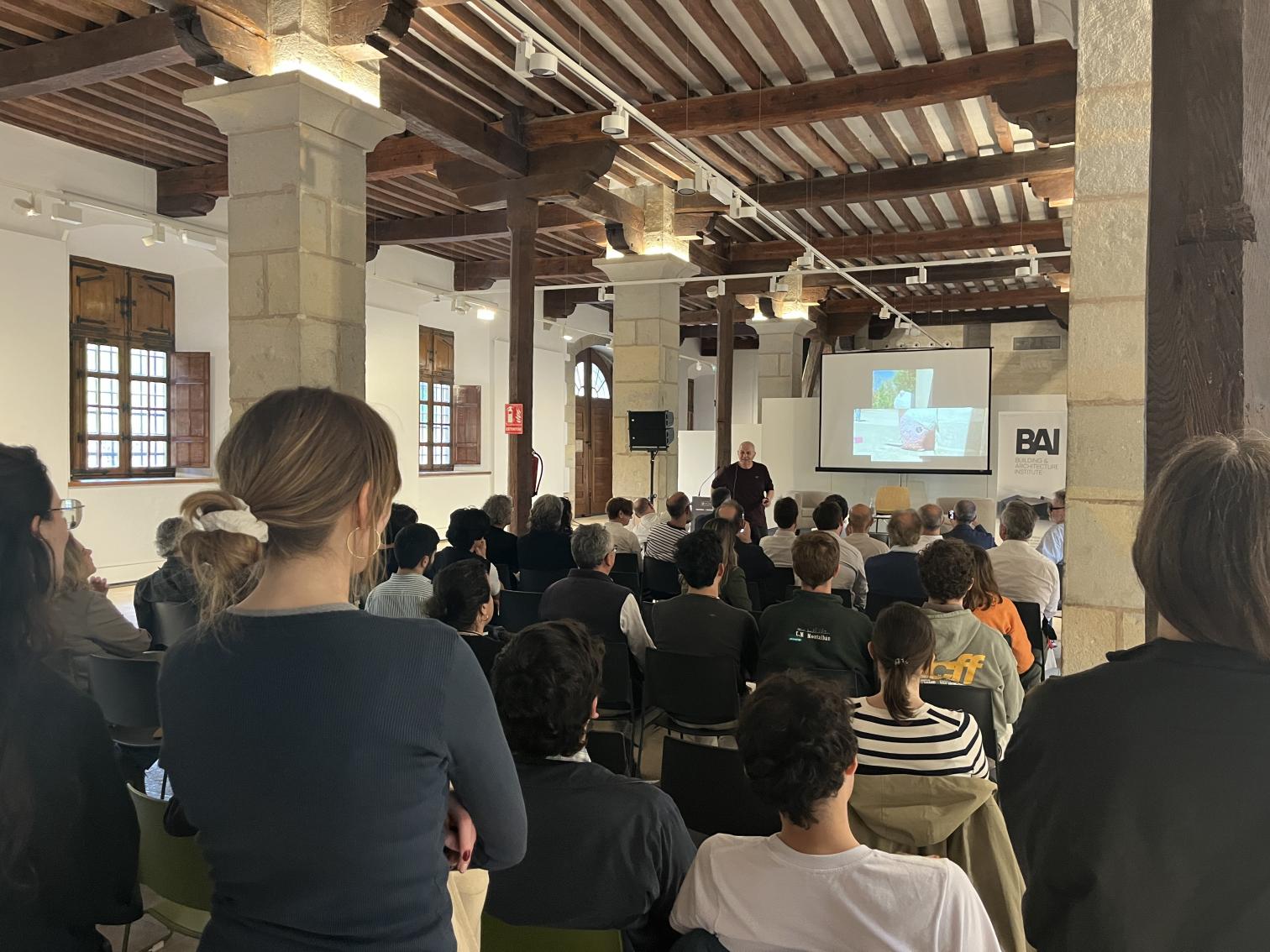
Photo: Patricia Minguito
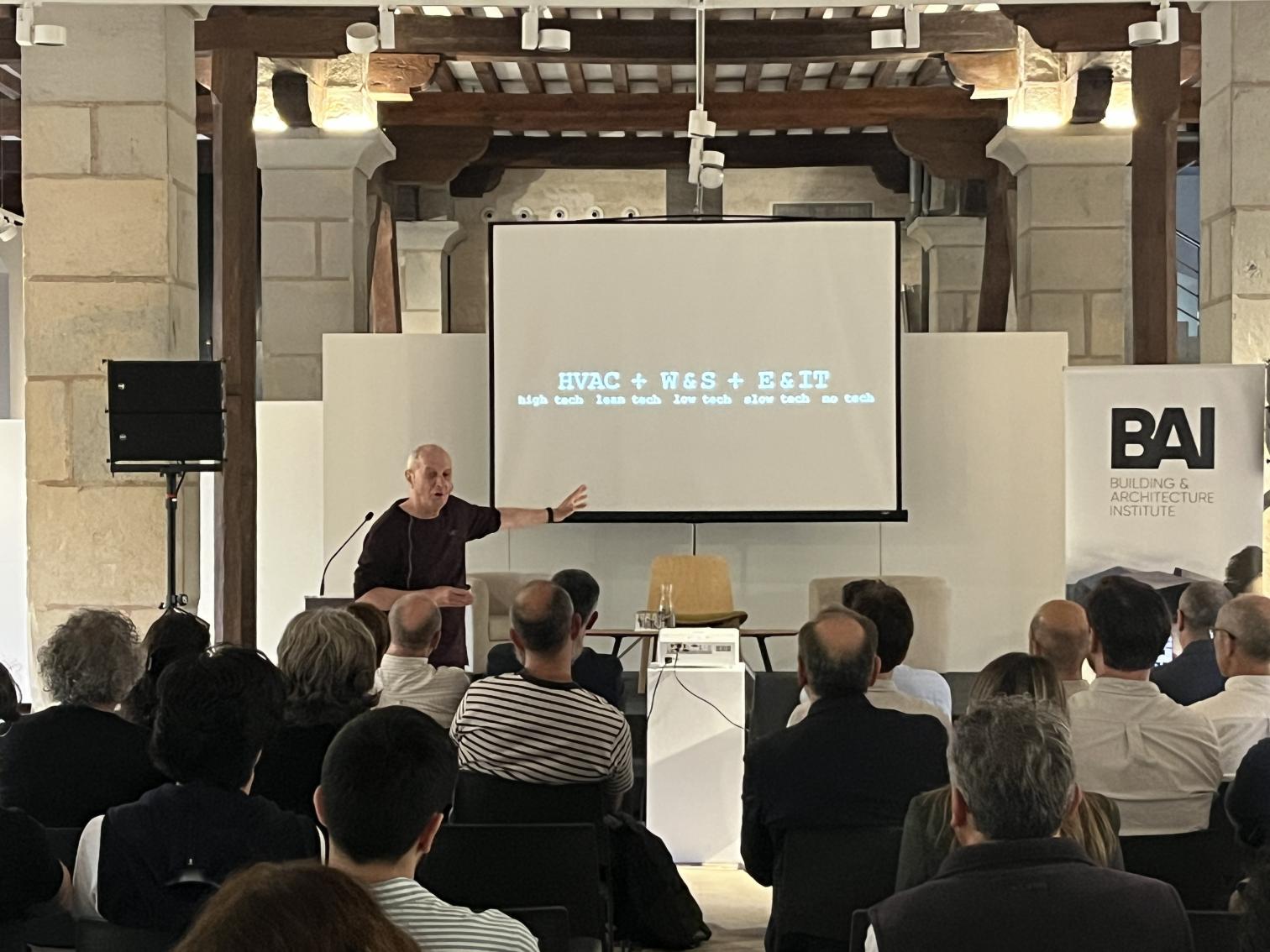
Photo: Patricia Minguito
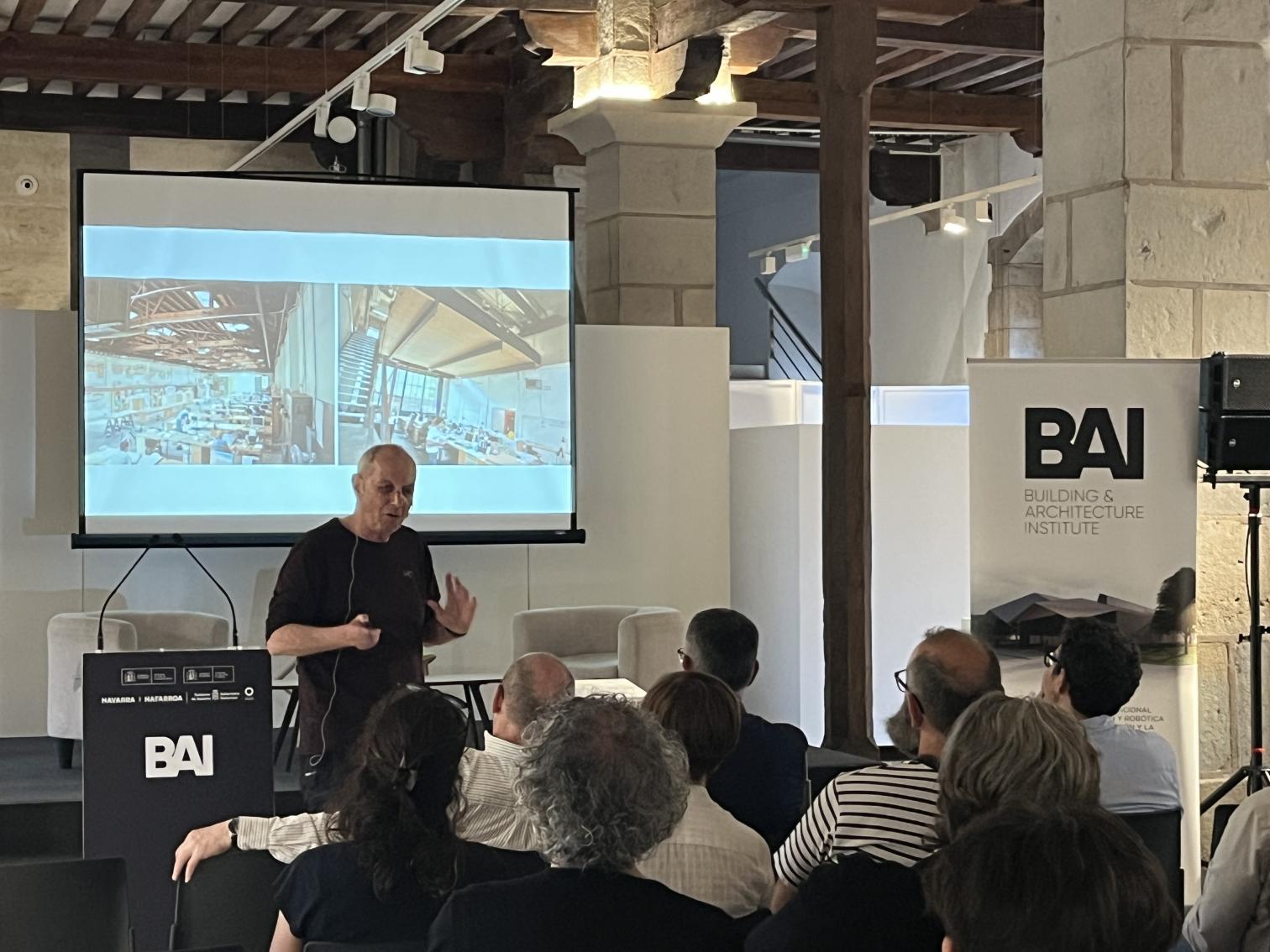
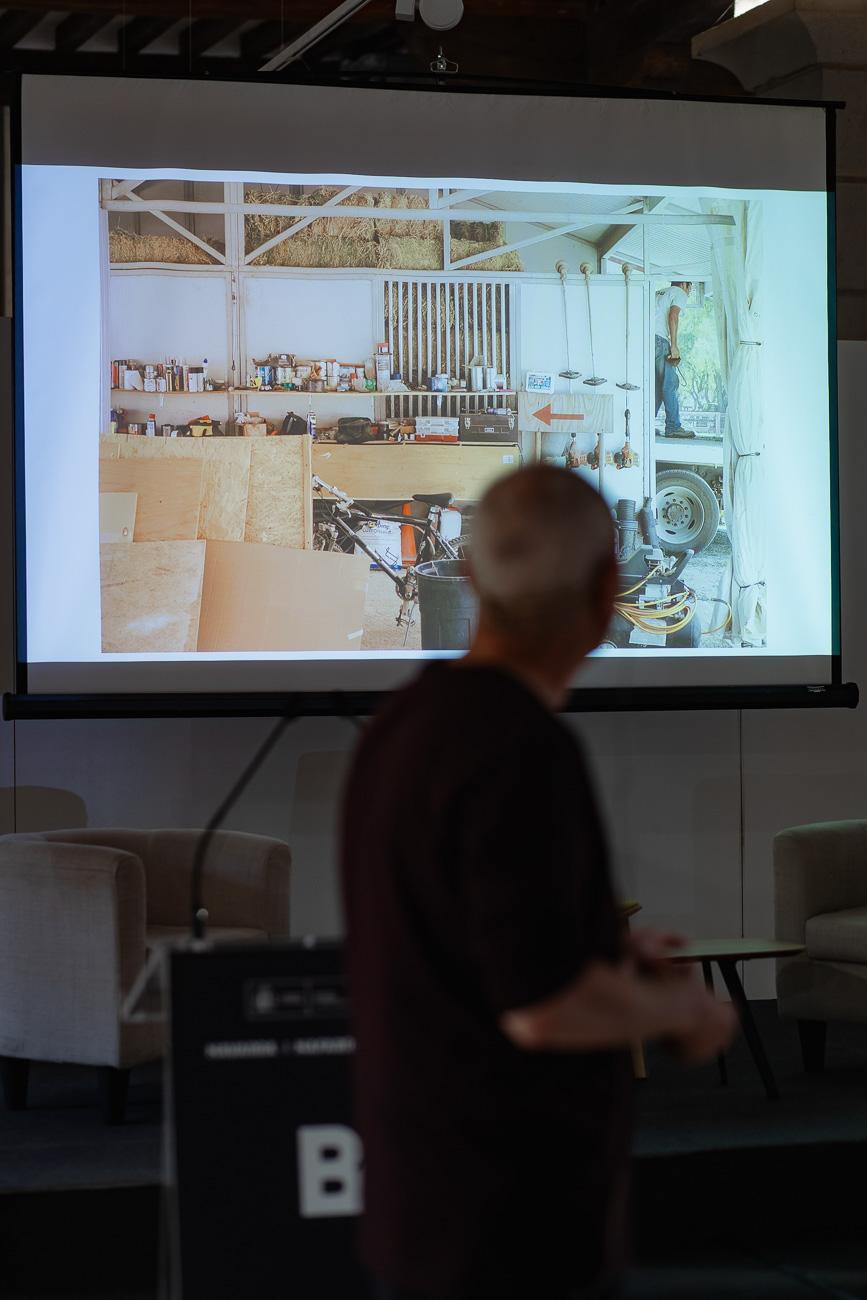
Photo: Nekane Bariain
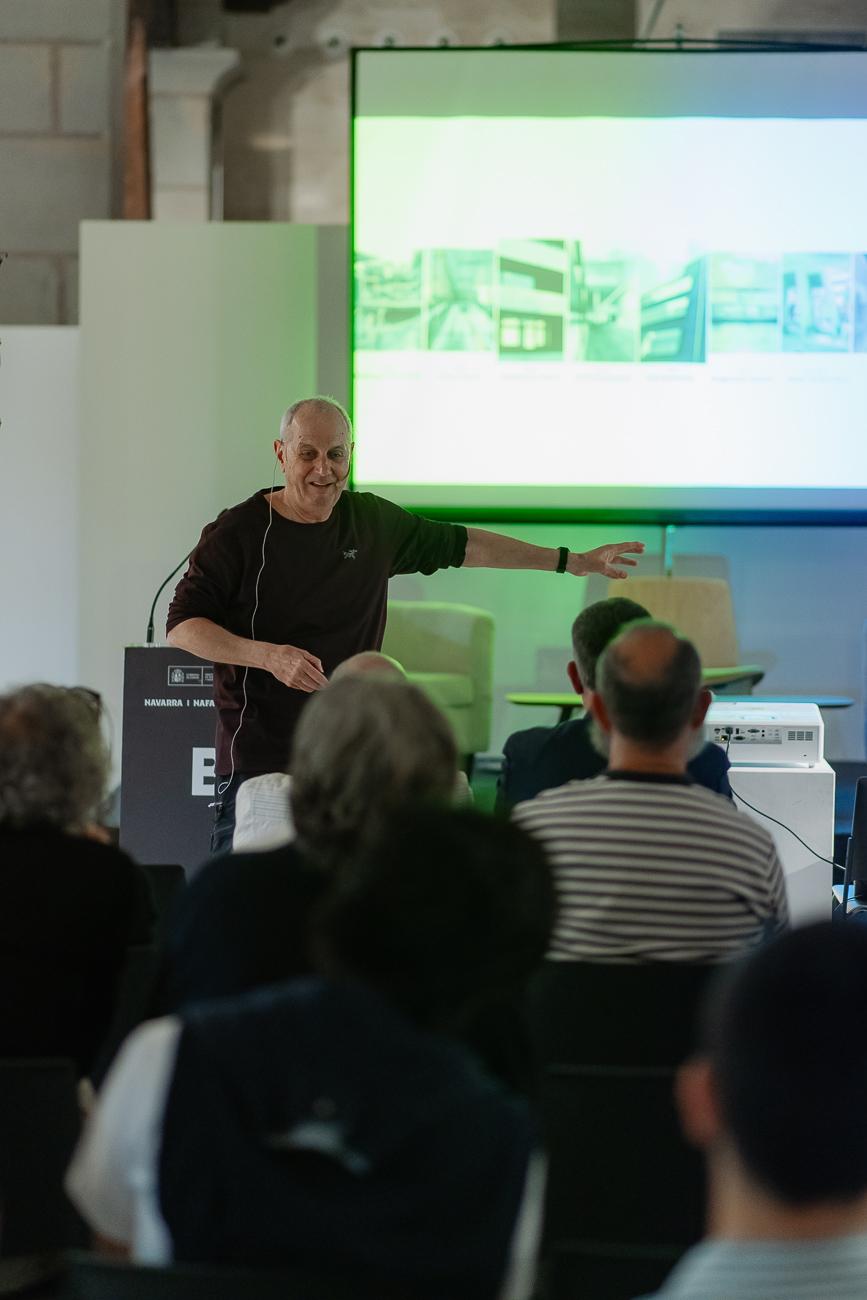
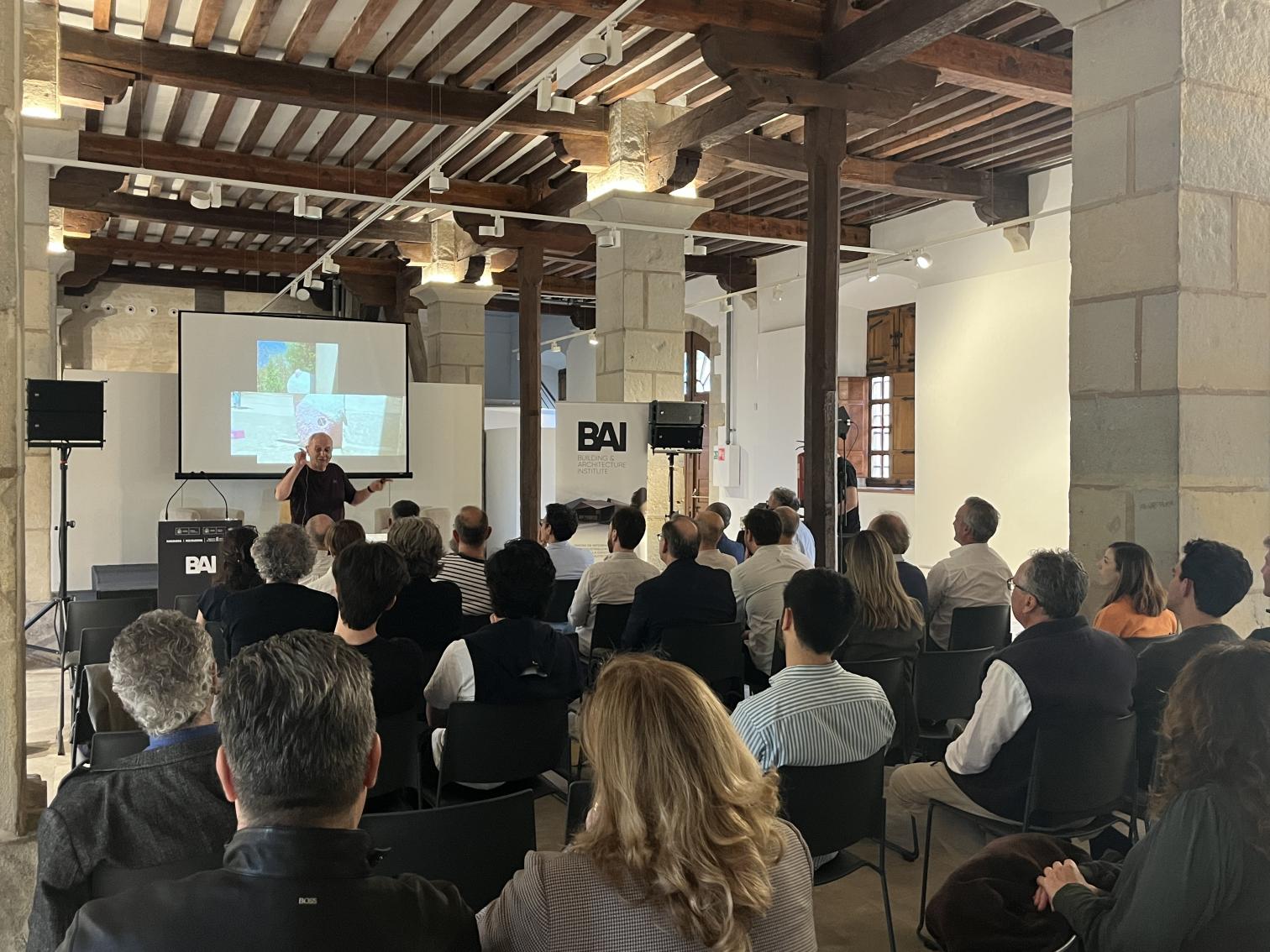
Photo: Patricia Minguito
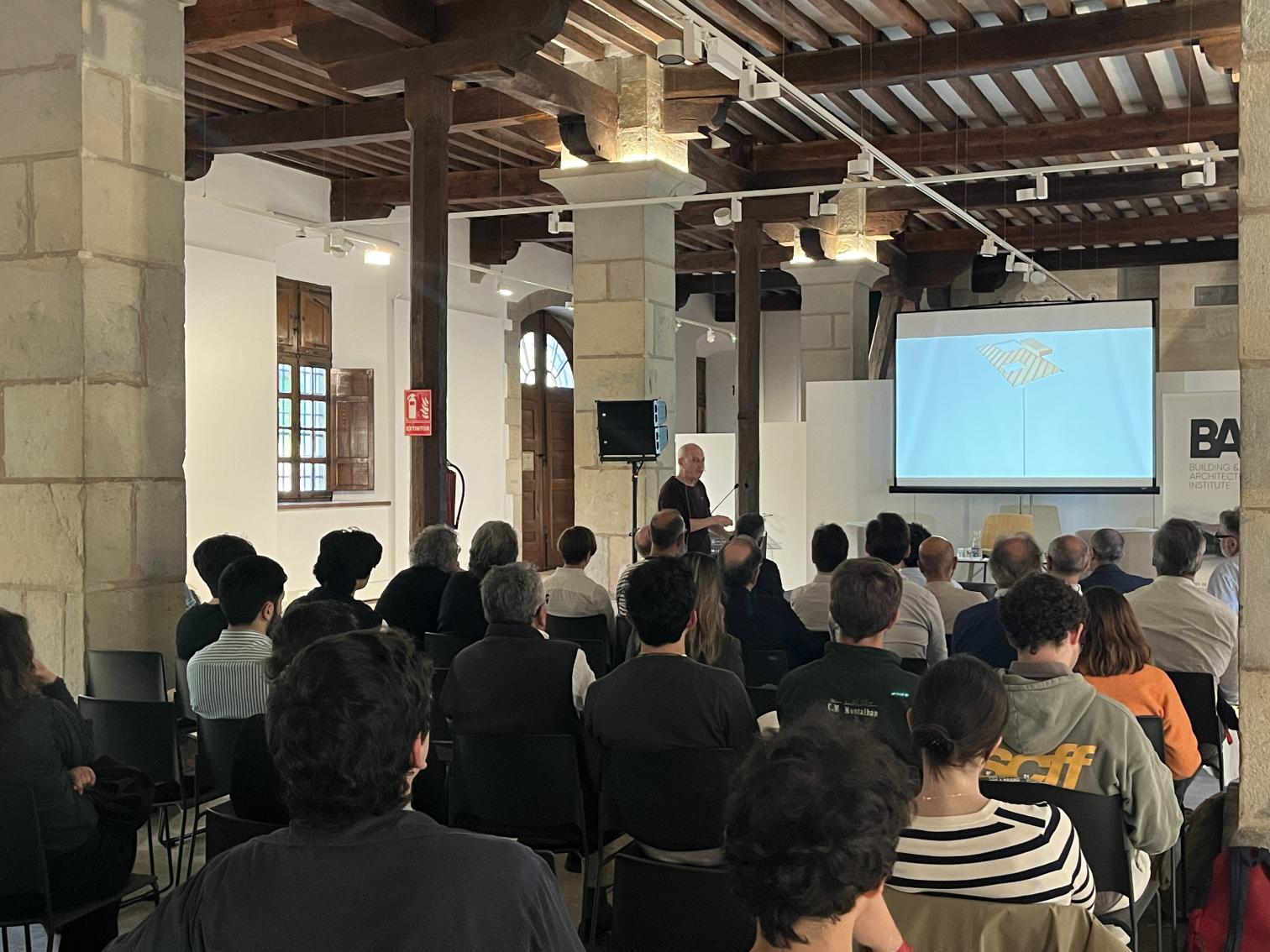
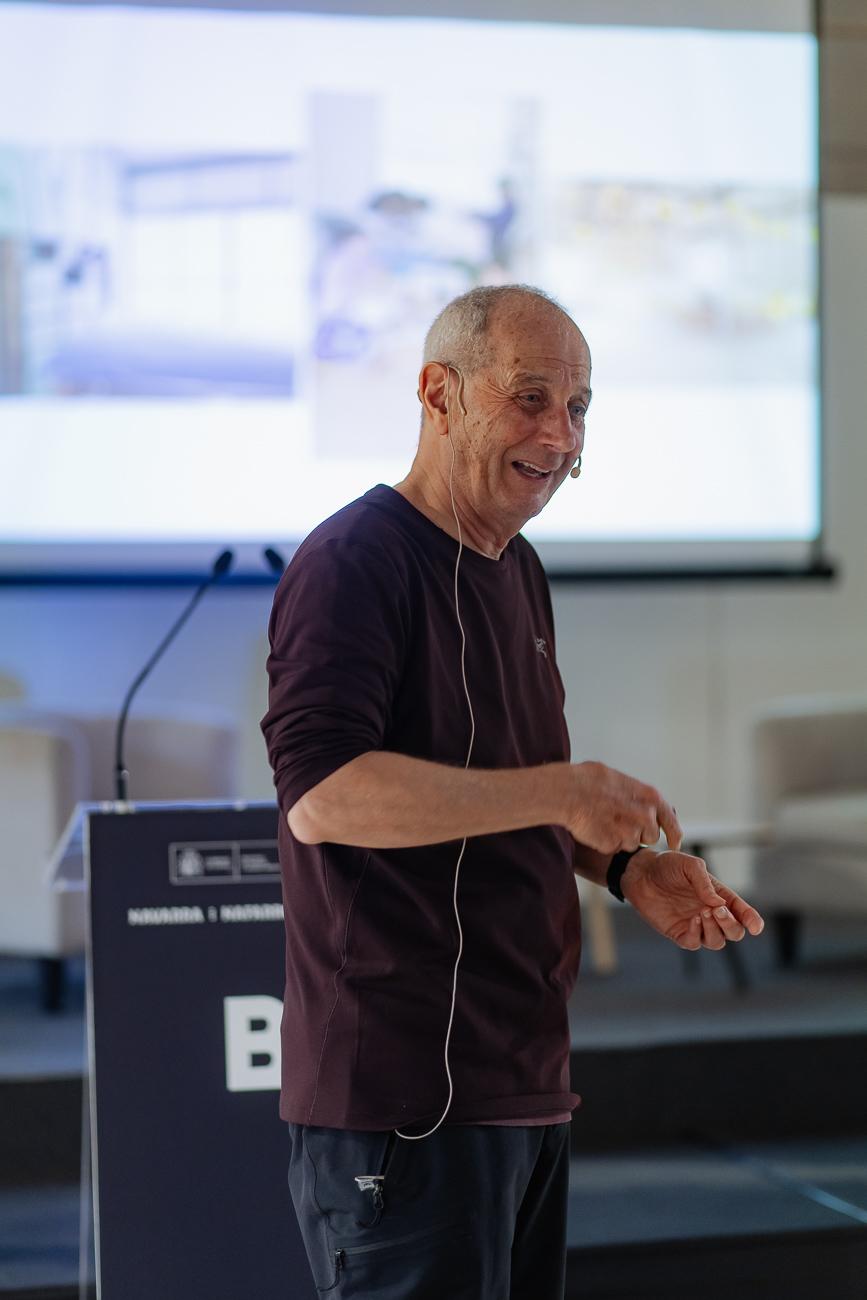
Photo: Nekane Bariain
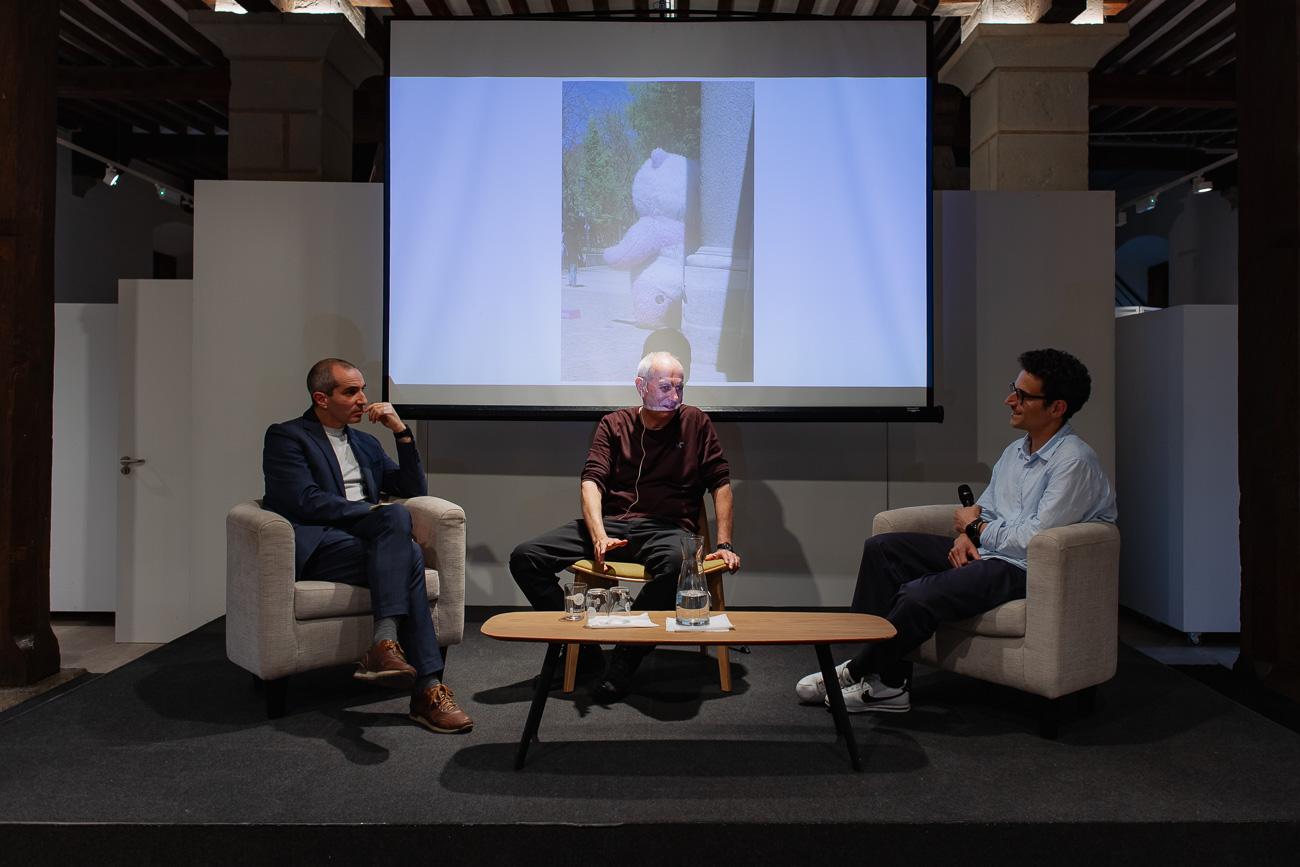
Photo: Nekane Bariain
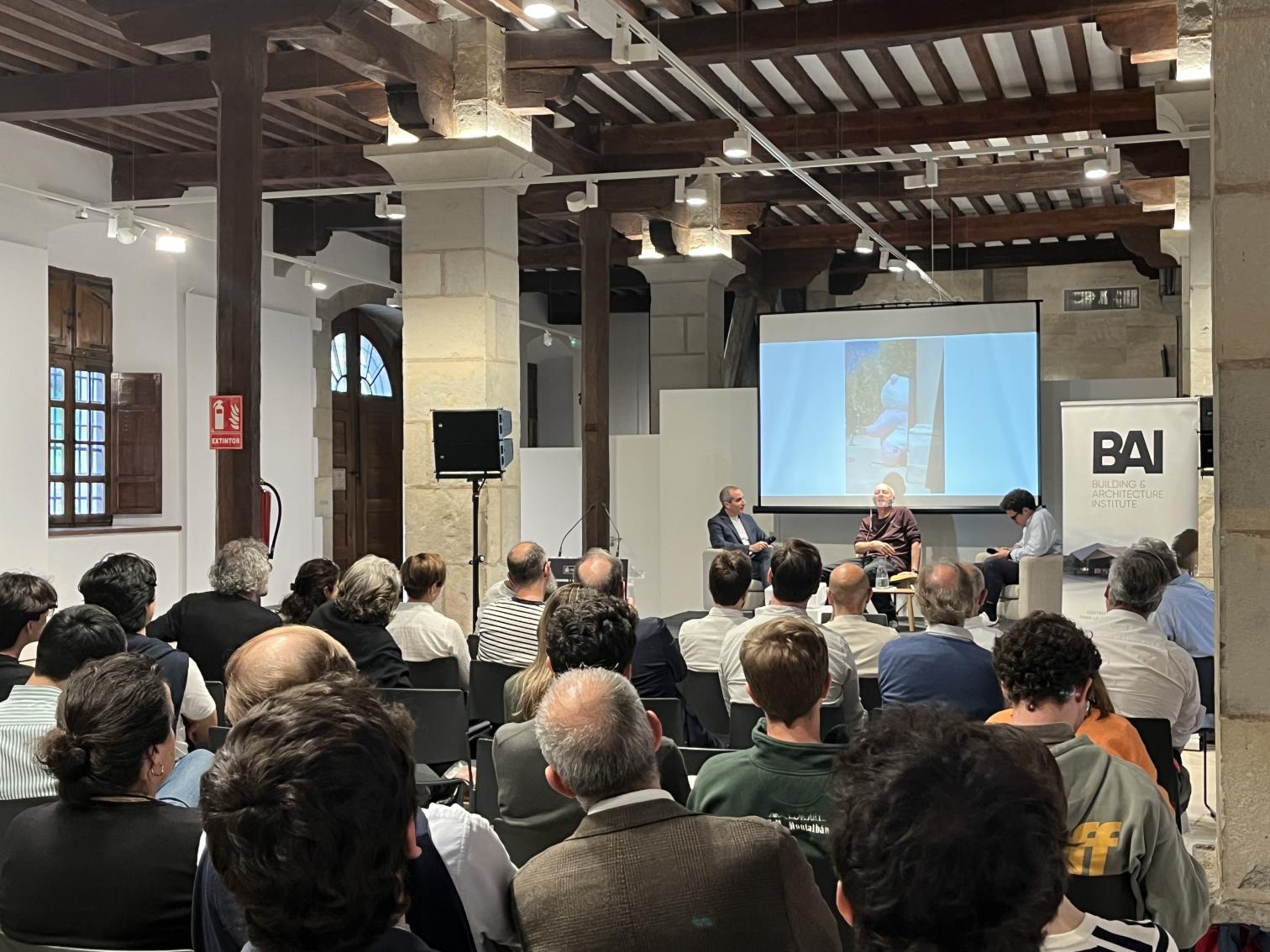
Photo: Patricia Minguito
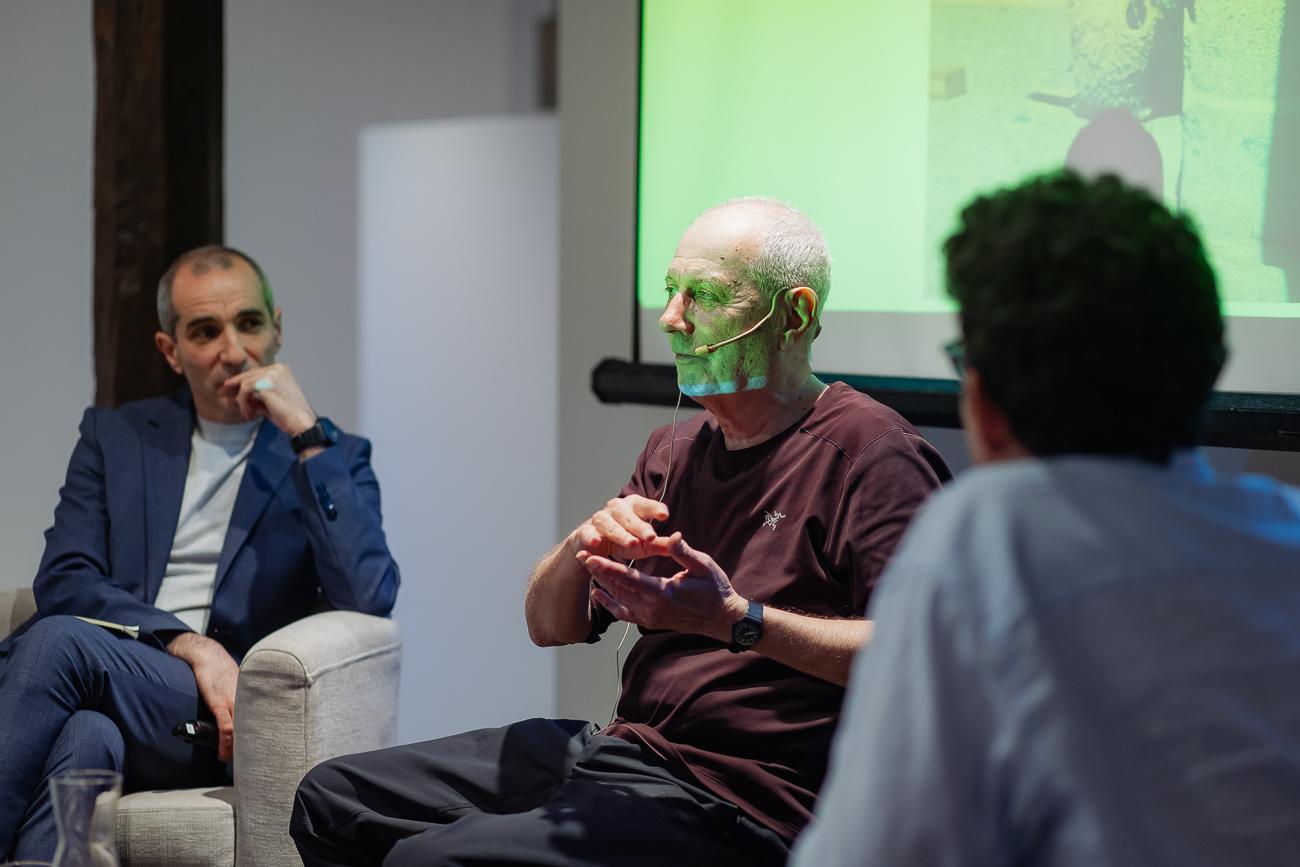
Photo: Nekane Bariain
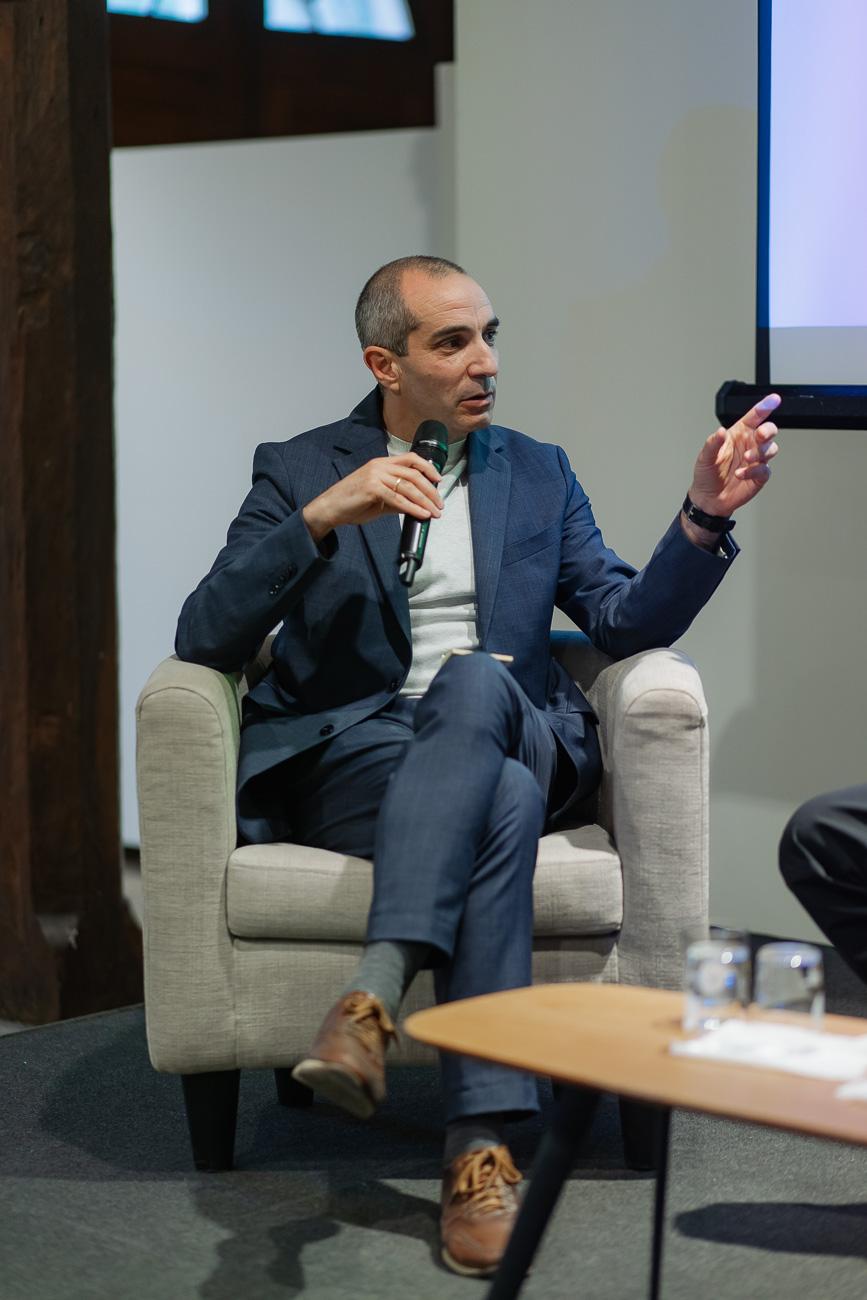
Photo: Nekane Bariain
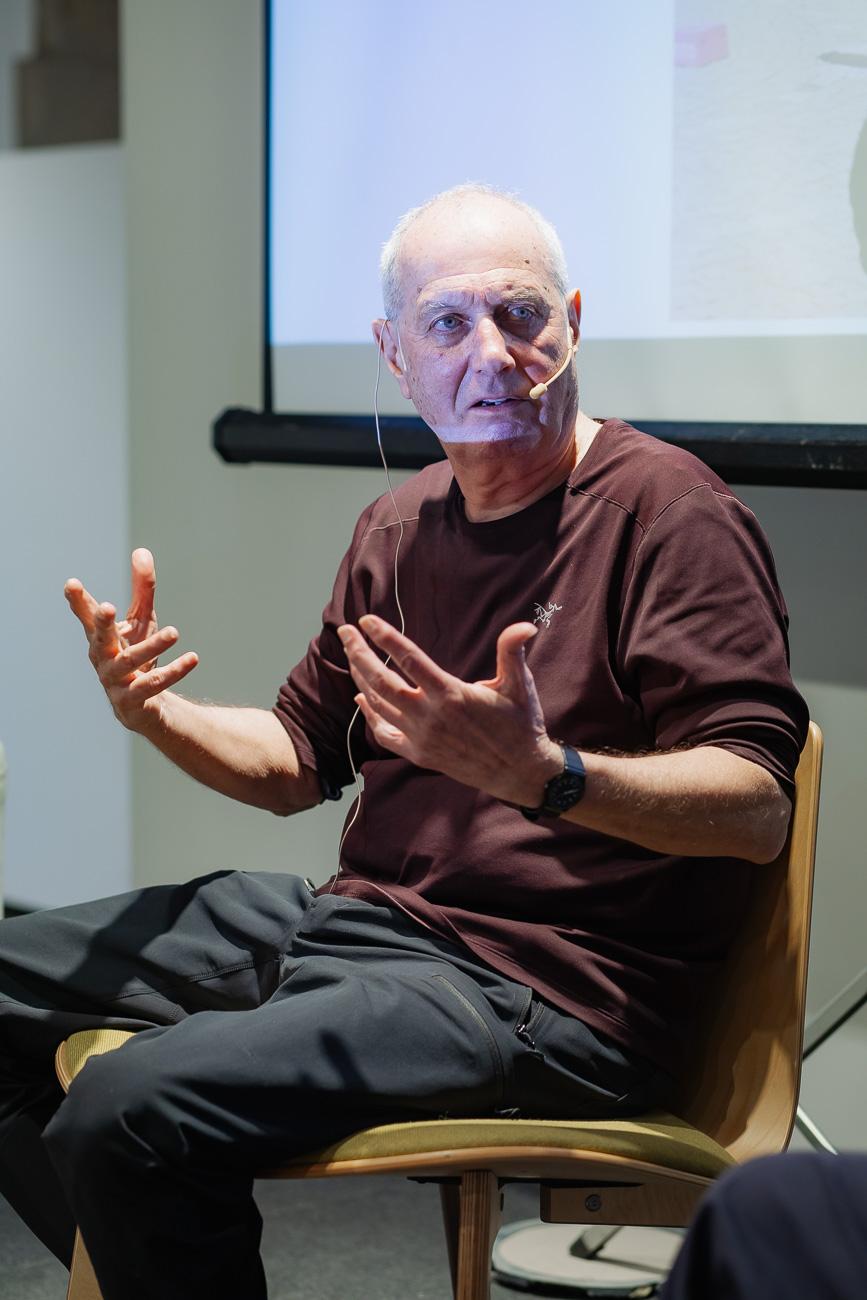
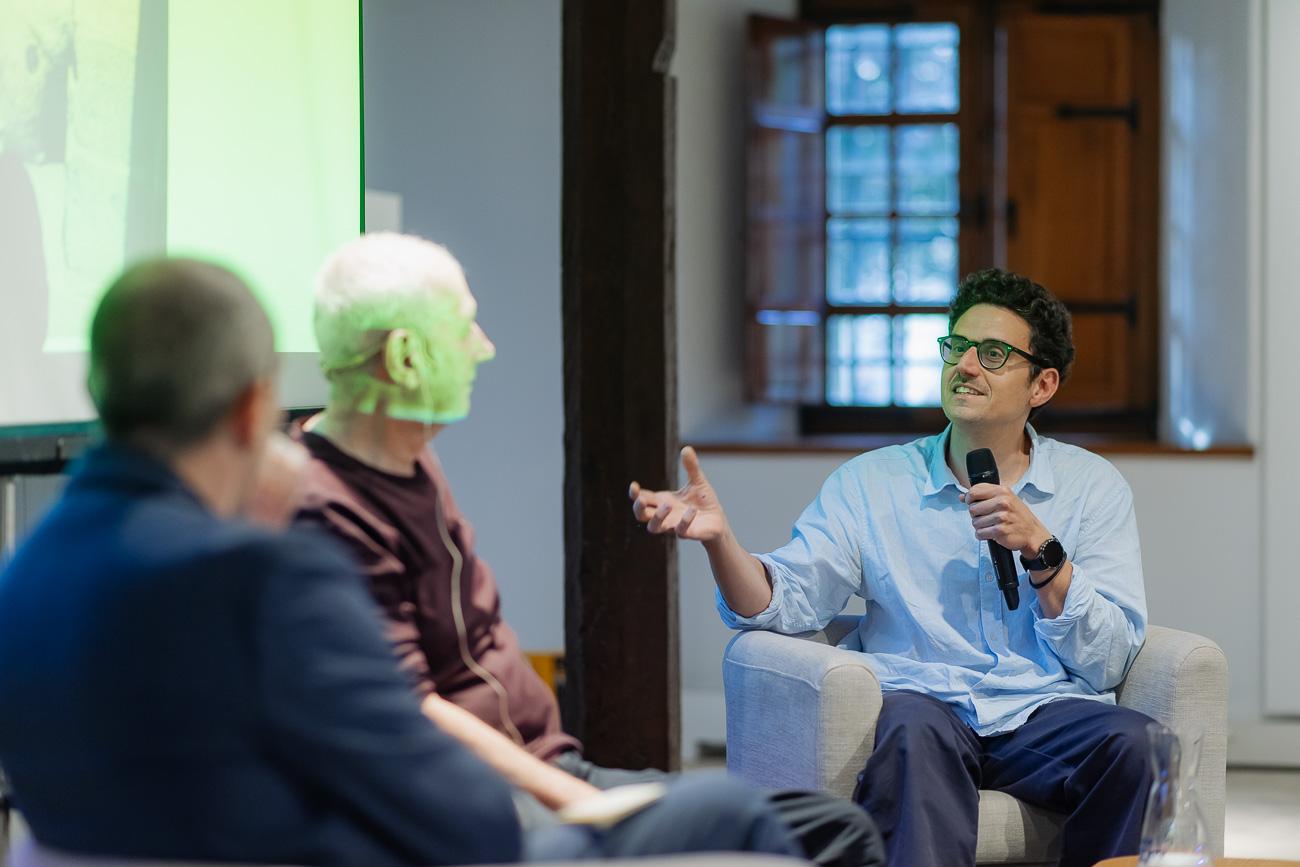
Photo: Nekane Bariain
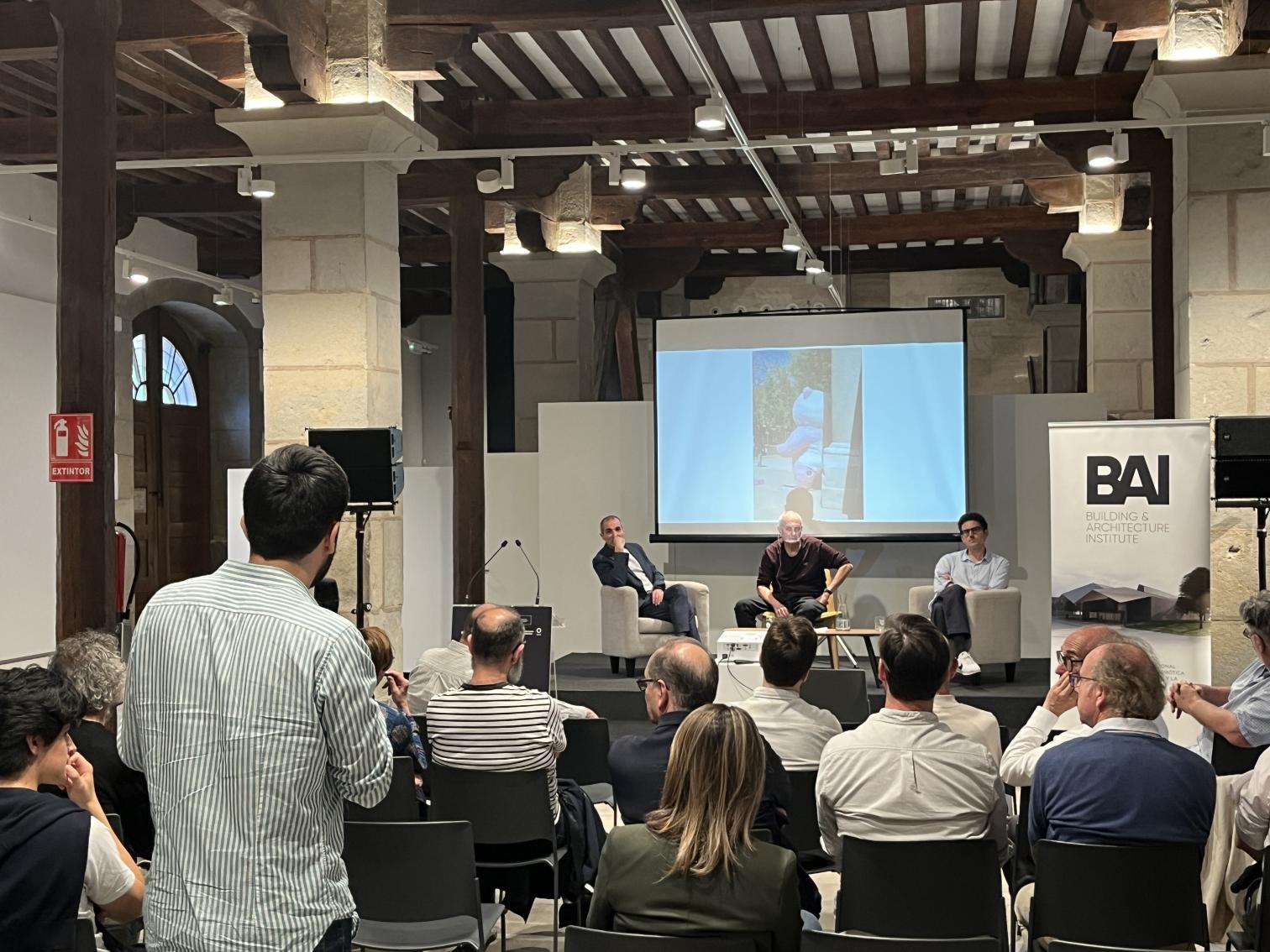
Photo: Patricia Minguito
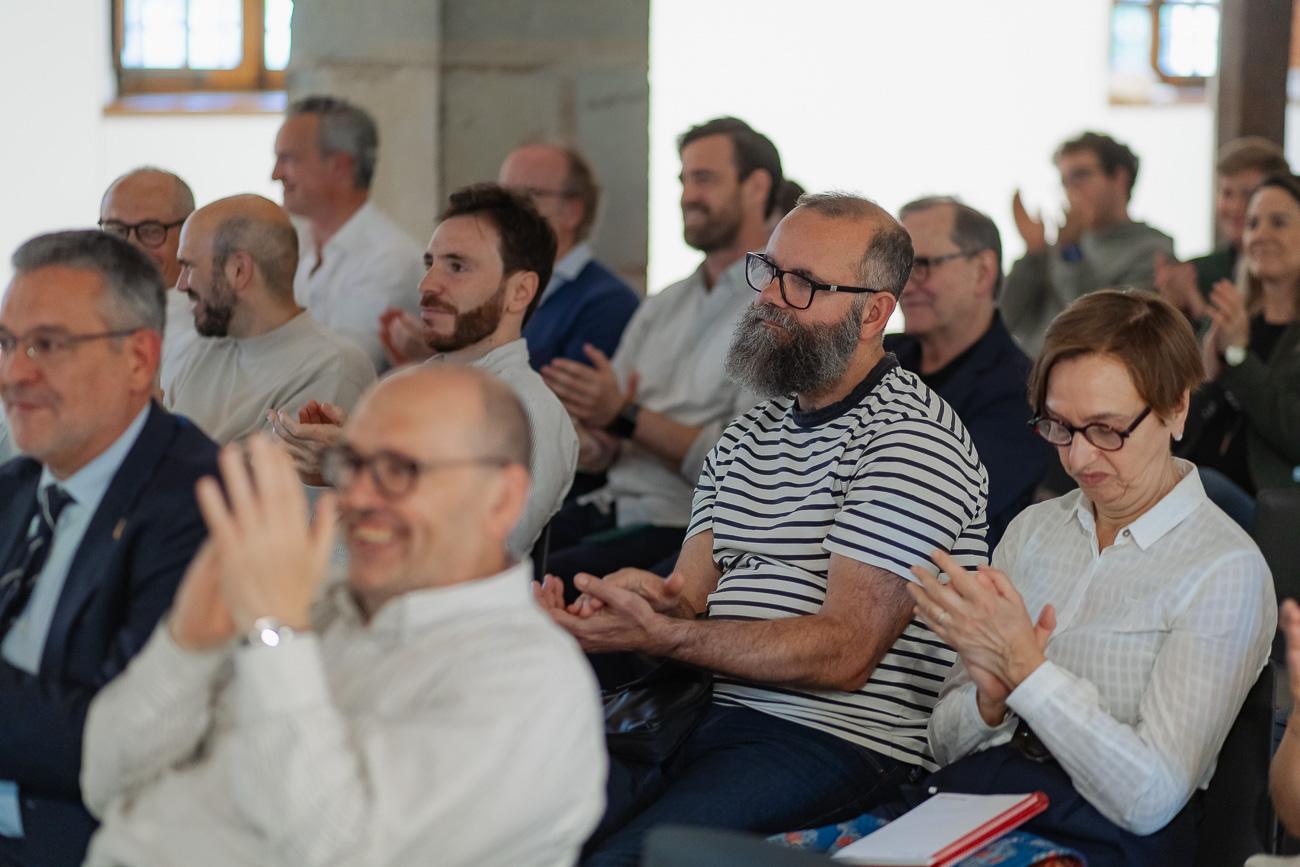
Photo: Nekane Bariain
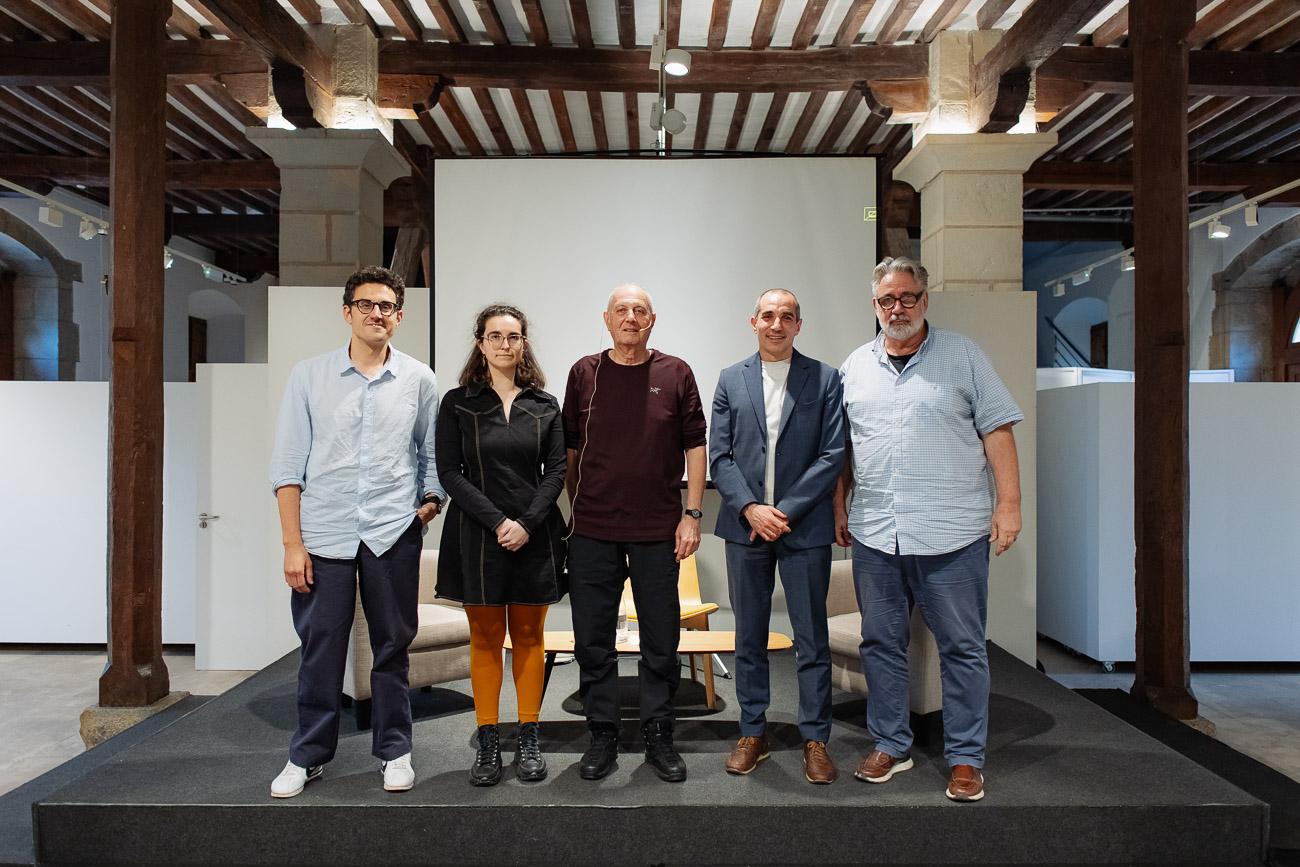
Photo: Nekane Bariain