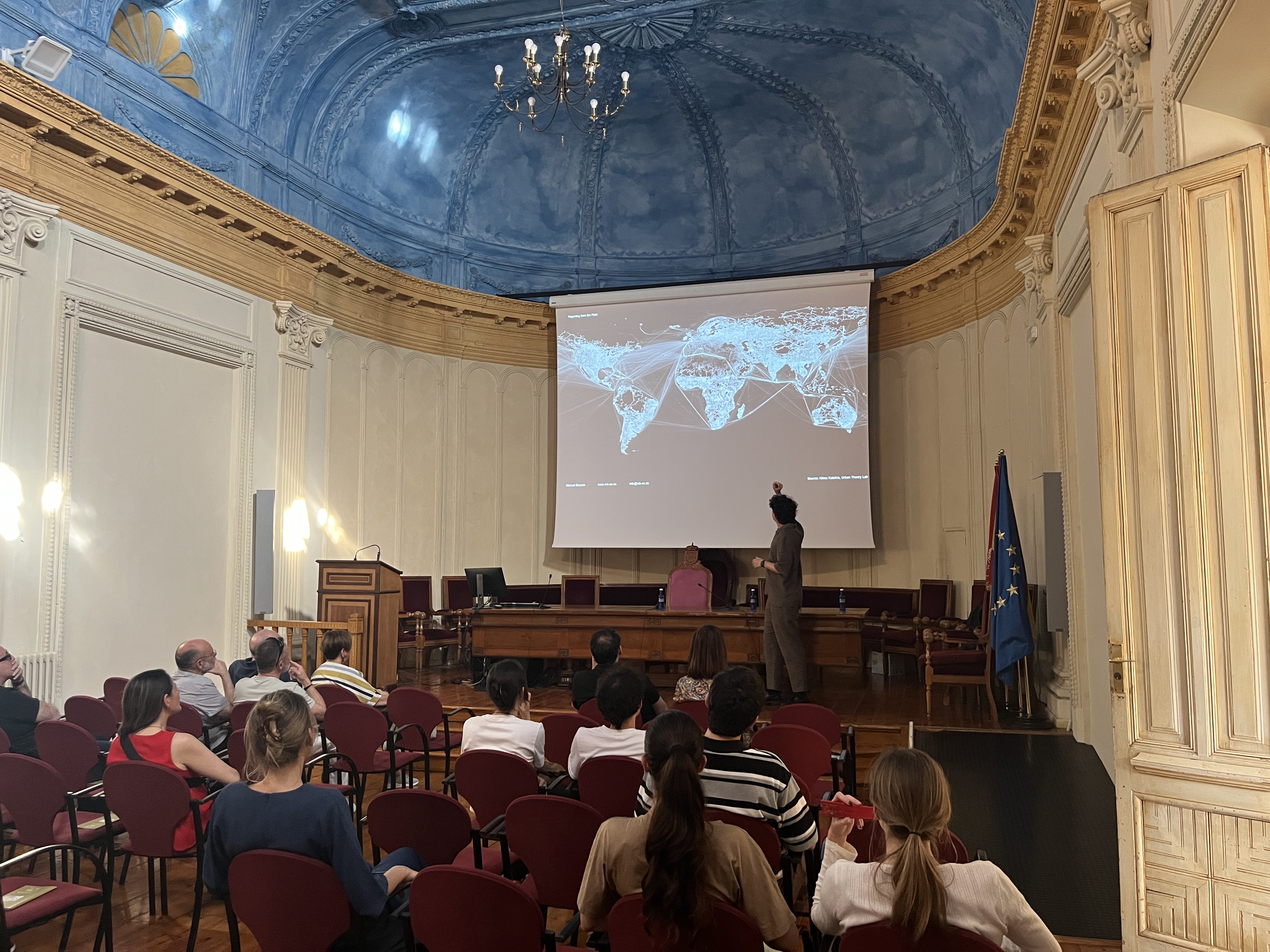
Manuel Bouzas leads a new FORO BAI session dedicated to architecture, ecology, and territorial balance
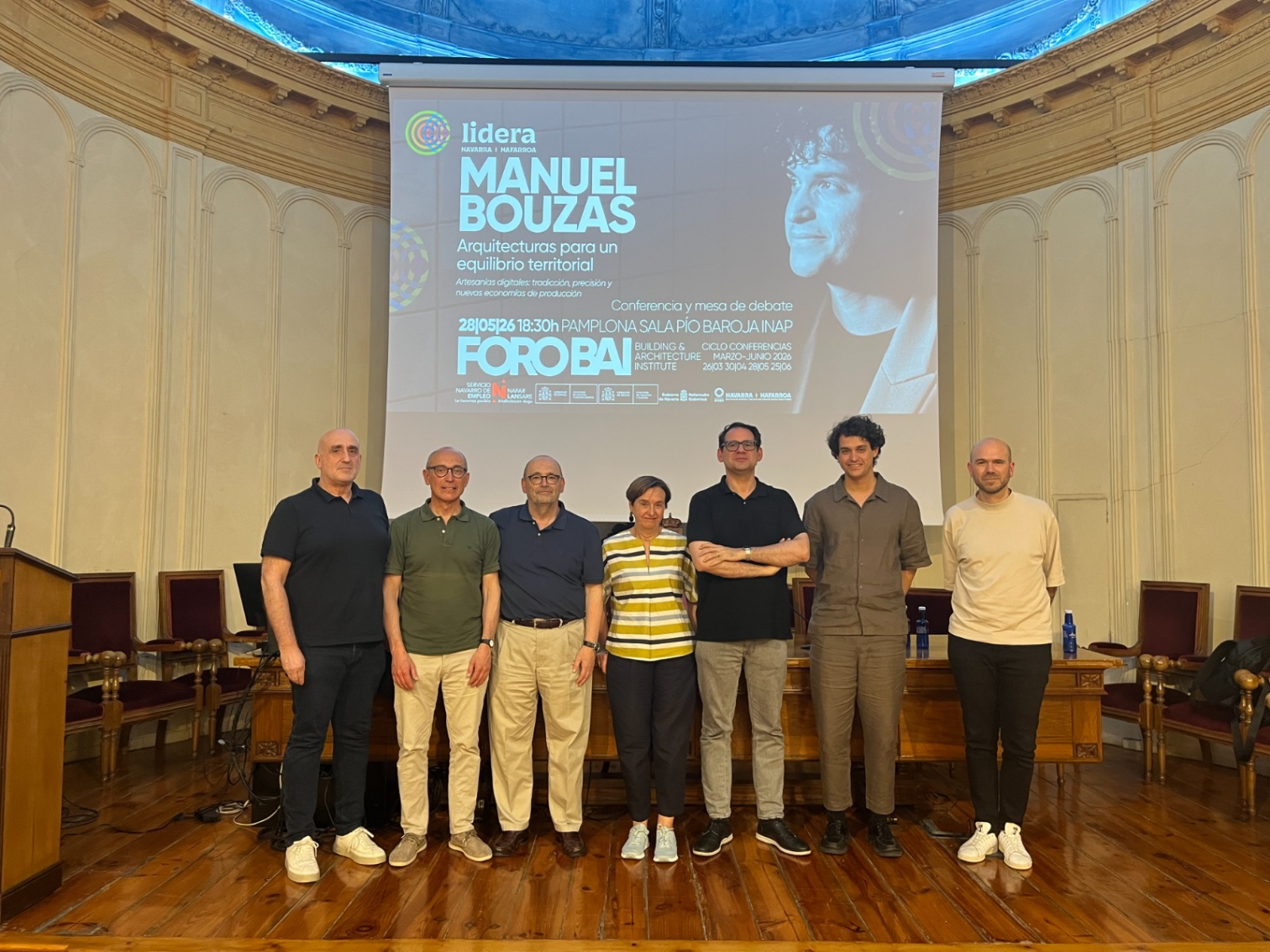
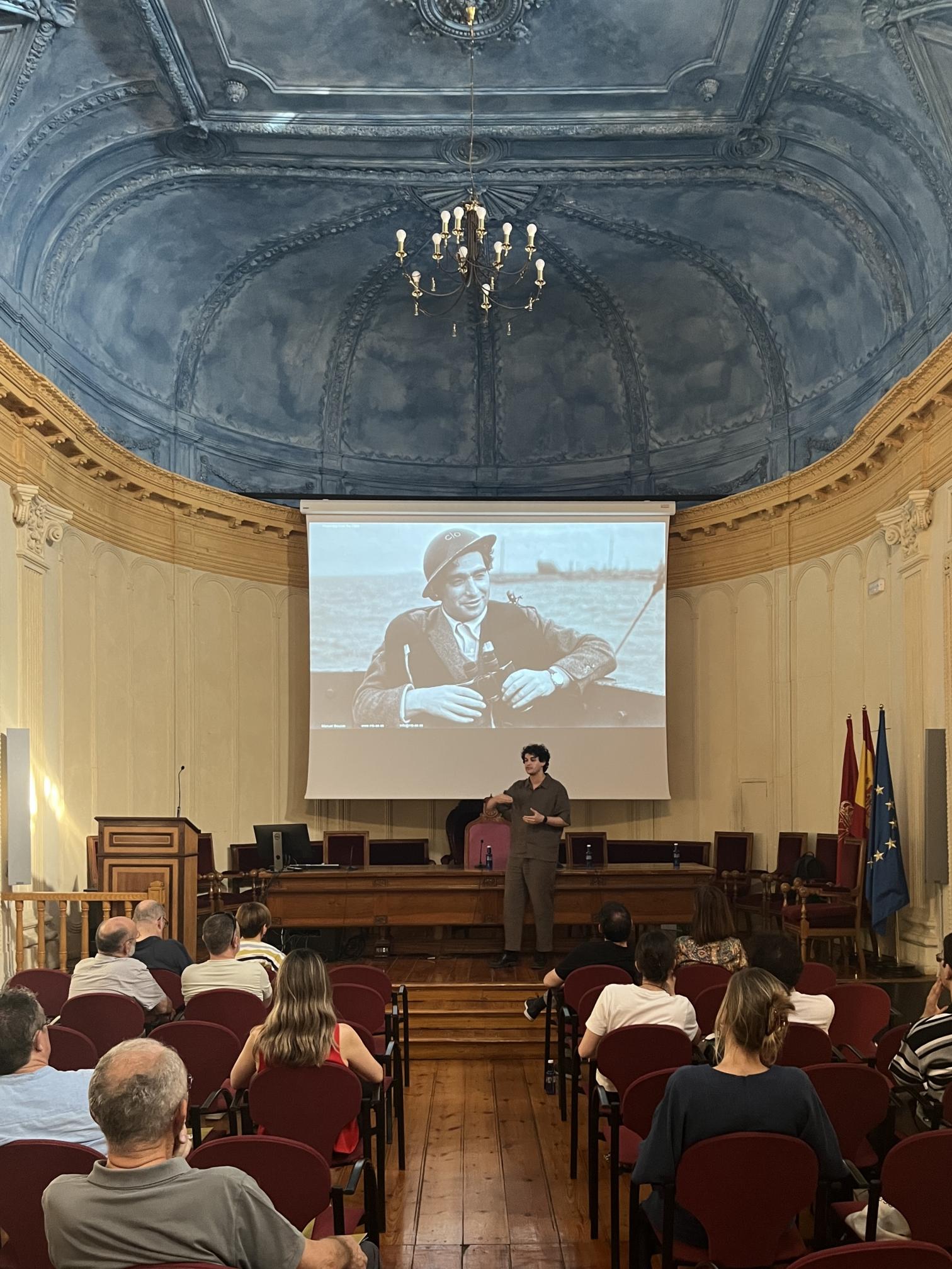
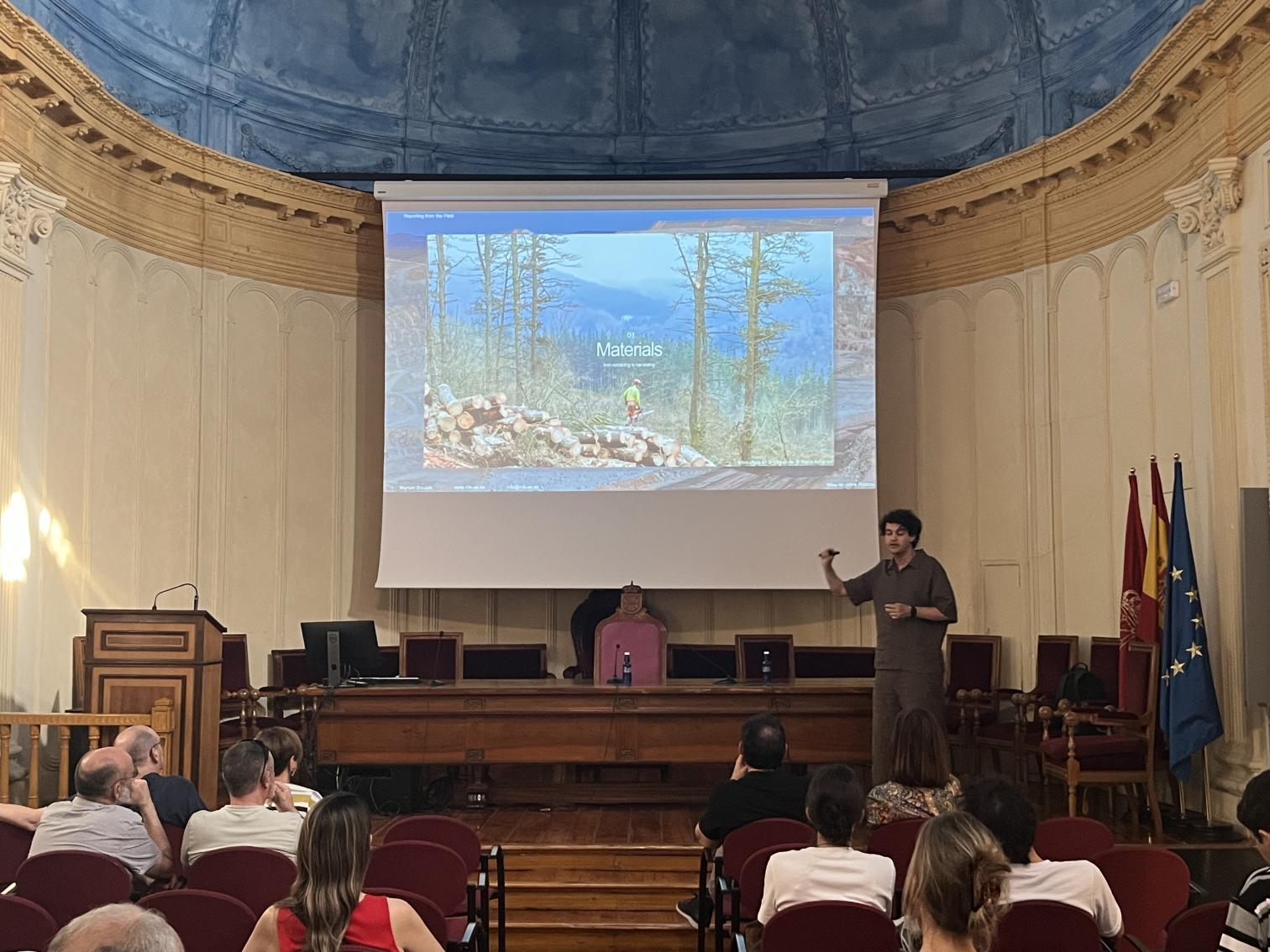
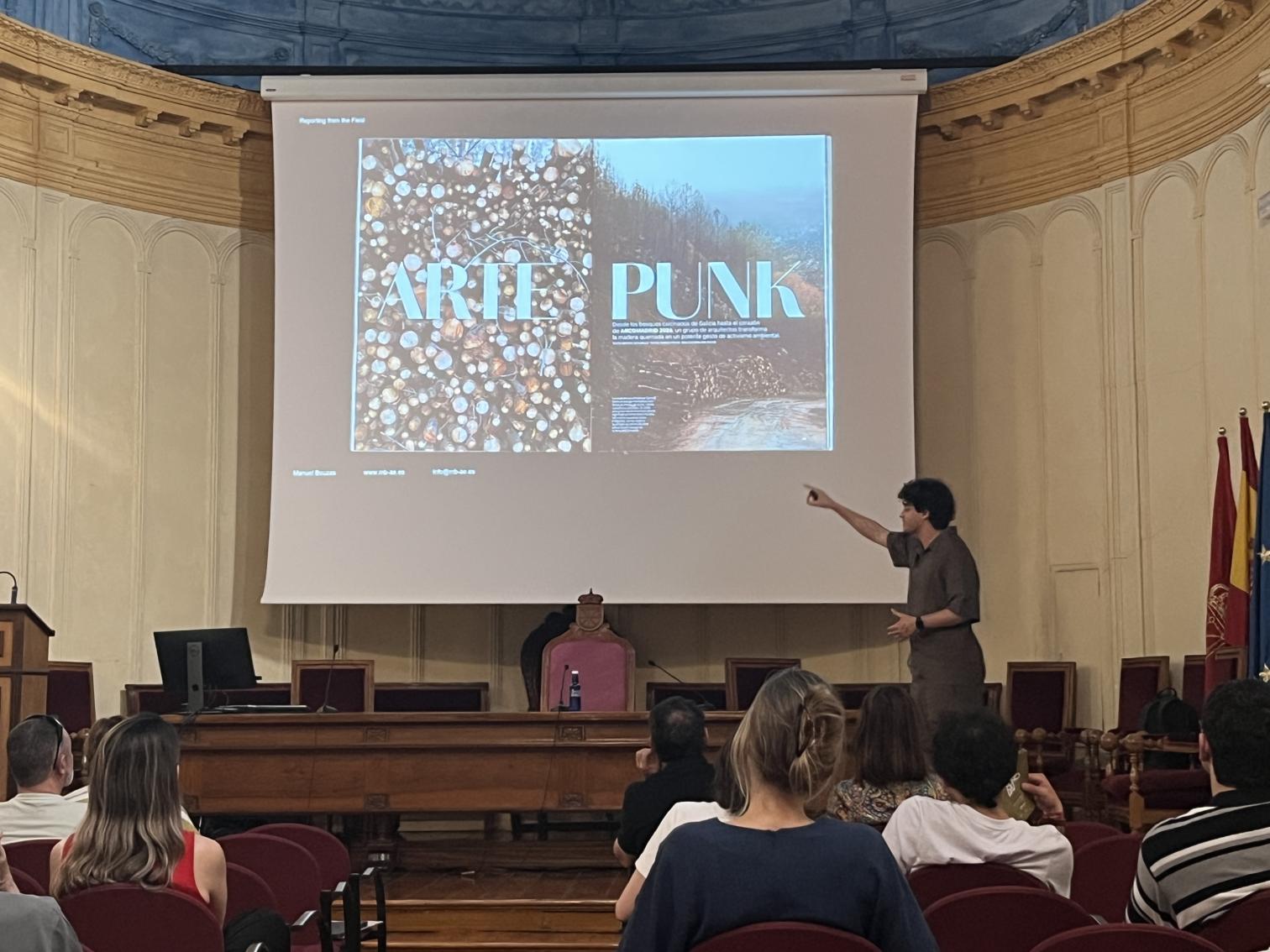
On May 28, BAI held a new session of FORO BAI featuring Manuel Bouzas, architect, recipient of the 2025 Princess of Girona Award for the Arts, and curator of the Spanish Pavilion at the Venice Architecture Biennale. The session took place at the Pío Baroja Hall of the Navarre Institute of Public Administration (INAP) in Pamplona and brought together professionals, students, institutional stakeholders, and representatives from the fields of architecture, the city, and construction around a shared reflection on the contemporary challenges facing the territory.
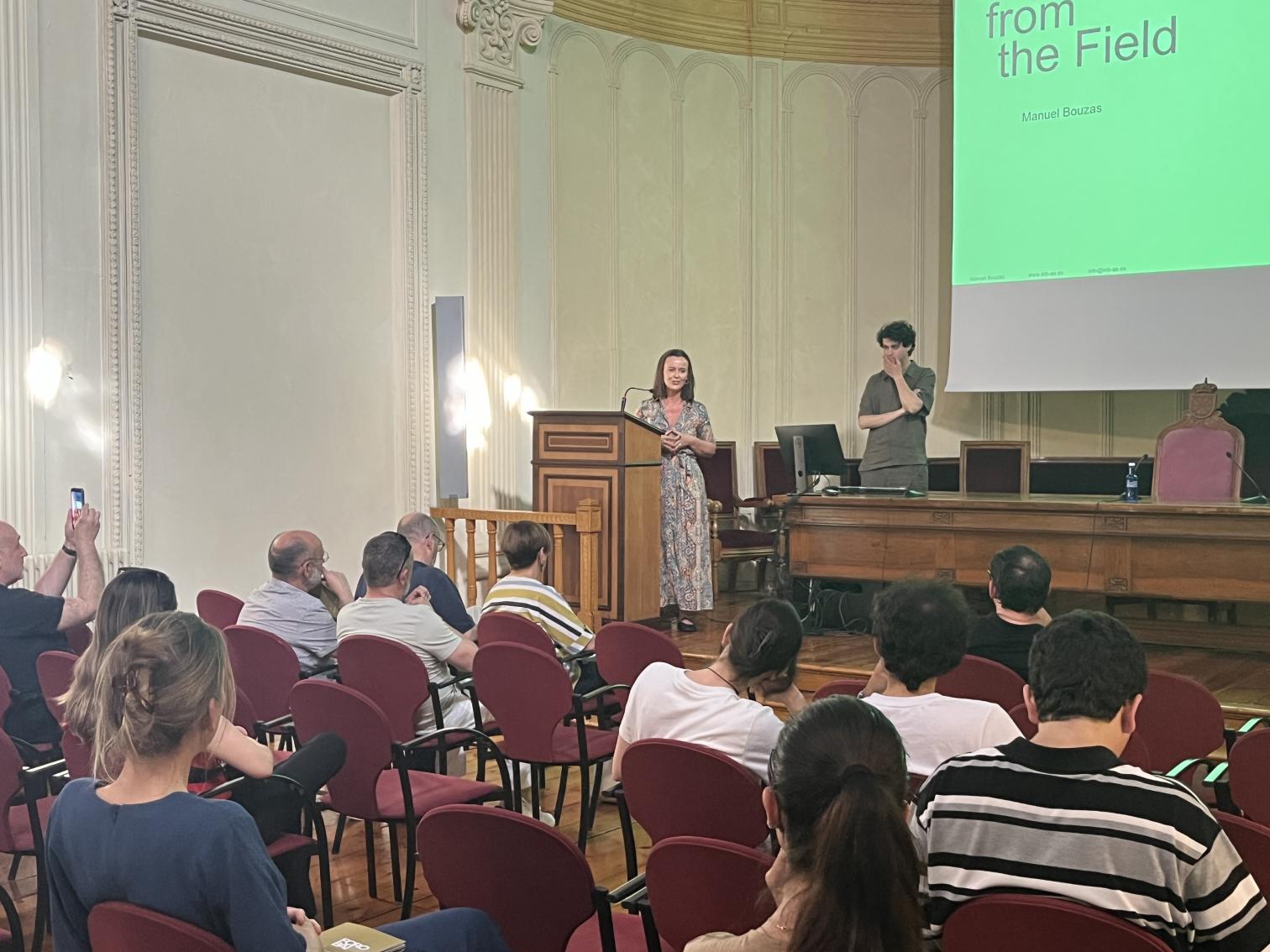
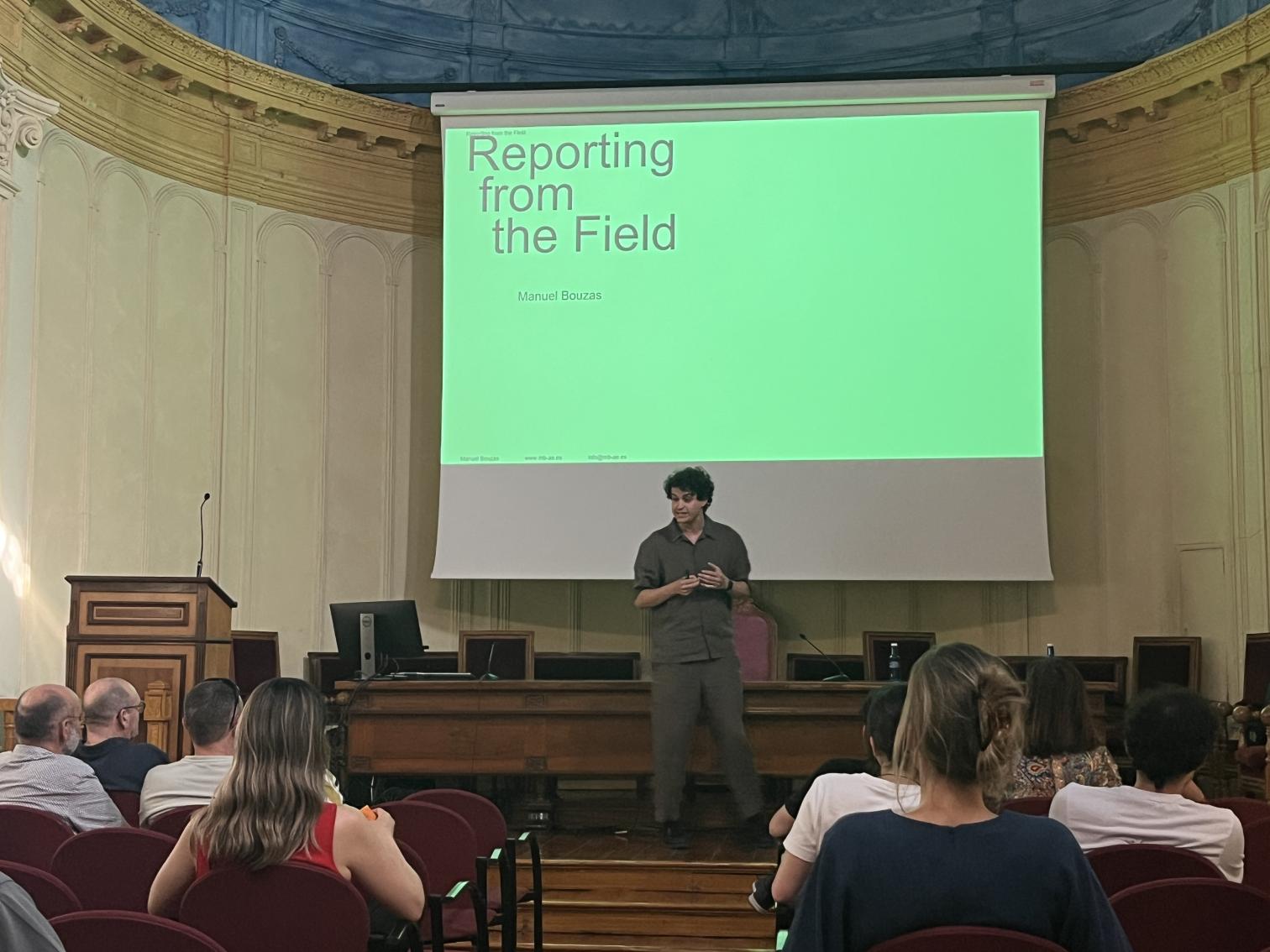
The event was introduced by Eva Perujániz, Director General for Universities of the Government of Navarre, and centered on a lecture by Manuel Bouzas focused on the relationship between architecture, ecology, and territorial balance. Through his intervention, Bouzas proposed a critical reading of the role of architecture in the face of the major environmental, productive, and cultural challenges of the present, understanding the project not only as a formal or constructive tool, but also as a practice capable of mediating between resources, landscapes, communities, and material systems.
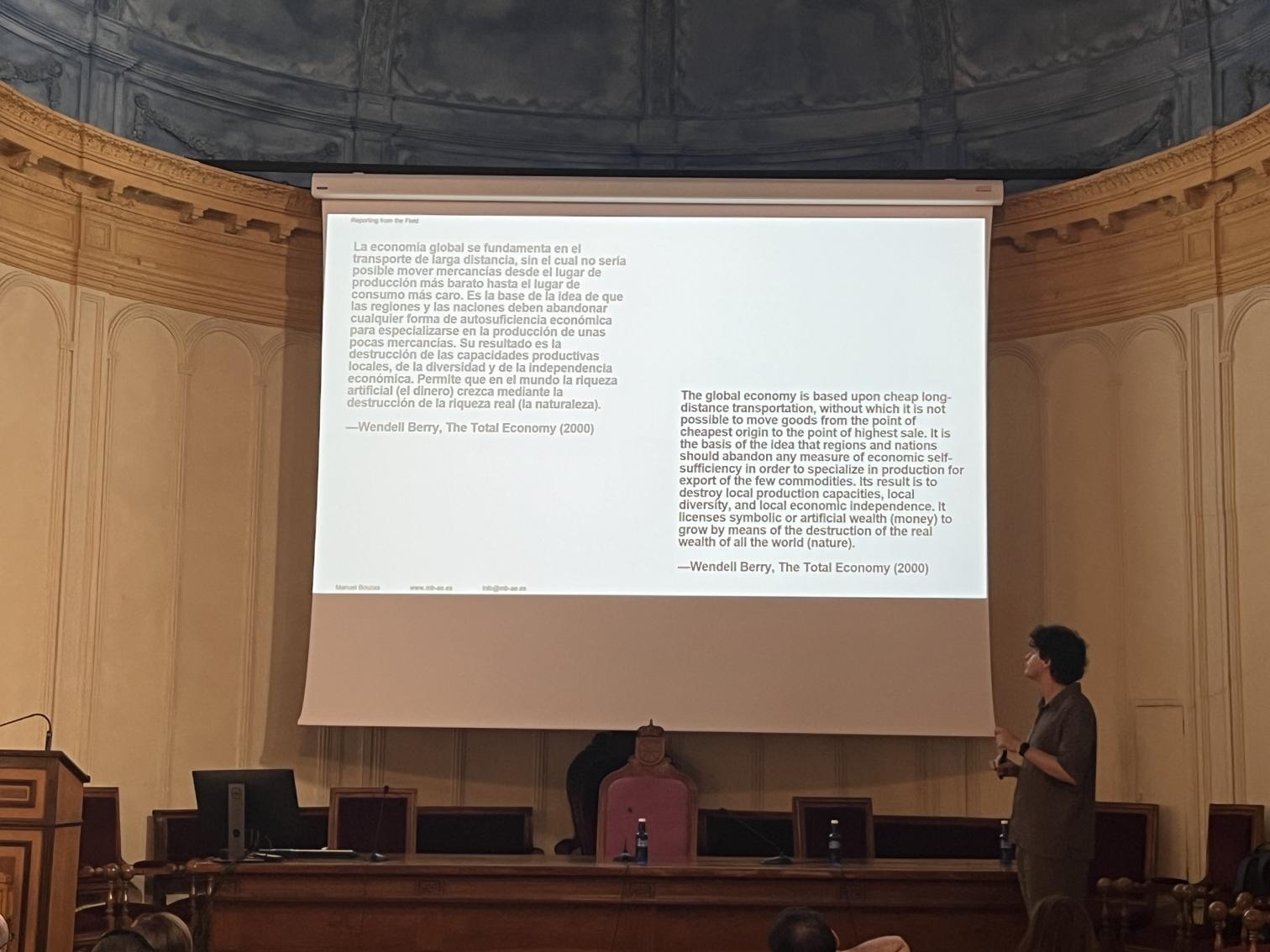
His lecture addressed issues of particular relevance to BAI’s framework of action, such as the need to reconsider existing models of territorial transformation, the importance of incorporating new forms of environmental responsibility into design and construction processes, and the value of an architecture capable of establishing more precise connections between innovation, context, and material culture. From this perspective, the session highlighted the urgency of thinking about the architectural profession as a transversal field of action, capable of connecting critical thought, technology, industry, ecology, and society.
Following the lecture, the session continued with a conversation involving Francisco Mangado, Eduardo Prieto, and Maite Apezteguia, as well as several other attendees, opening a dialogue on the architectural, urban, and institutional implications of the ideas put forward by Bouzas. The exchange allowed the discussion to expand toward the role of education, applied research, and new architectural institutions in building more conscious responses to the challenges of ecological transition, the industrialization of construction, and the transformation of inhabited environments.
With this session, FORO BAI consolidates its vocation as a platform for thought, debate, and cultural transfer around the major issues currently shaping architecture and construction. Through the participation of leading national and international figures, the series proposes a meeting place between professional practice, research, industry, public administration, and advanced education, reinforcing BAI’s commitment to an architecture capable of responding critically, innovatively, and contextually to the demands of the present.
The activity was organized by the Navarre Employment Service – Nafar Lansare through the Lidera program, in collaboration with BAI – Building Architecture Institute.